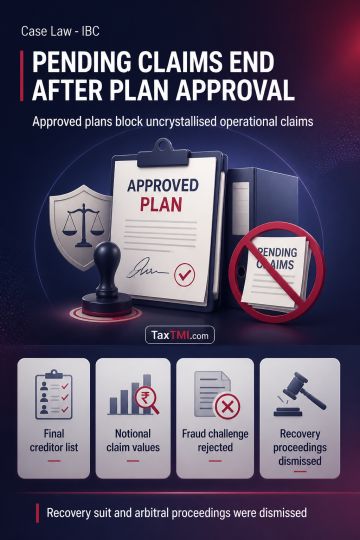
Clean slate principle extinguishes uncrystallised operational claims and bars continuation of pending recovery and arbitral proceedings after plan app...
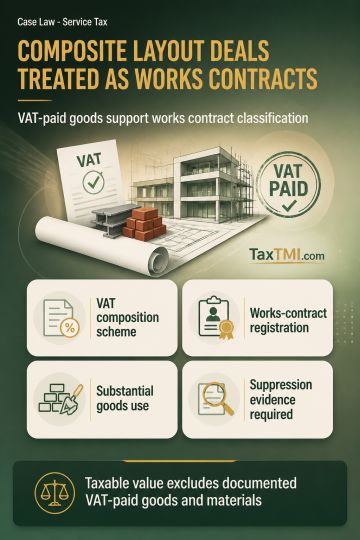
Works contract classification governs composite layout-development contracts where VAT-paid goods are transferred alongside construction and infrastru...
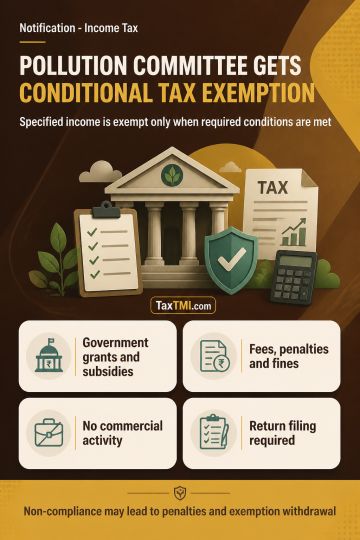
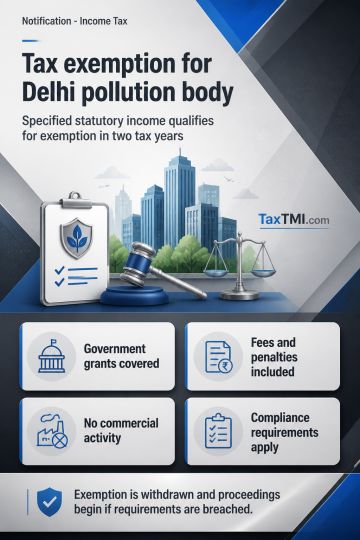
Specified income tax exemption for pollution control body remains conditional on non-commercial activity, unchanged income character, and return filin...
Jurisdictional facts in certificate-of-origin discrepancies can support customs show-cause proceedings, leaving factual explanations for departmental ...
The case pertains to the taxability of compensation received by the assessee for termination of a contract. The key points are: The assessee received Rs. 4,30,88,084 as compensation for terminating a bottling contract with Hindustan Coca-Cola Beverages Pvt Ltd due to trade disputes. The Revenue contended that the amount was taxable u/ss 28(iv)/28(va) or 45, arguing it did not represent termination compensation exempt under Oberoi Hotels case. However, the Tribunal, after examining the settlement agreement and financial statements, upheld the CIT(A)'s finding that the source of income had ceased, making it a non-taxable capital receipt under Oberoi Hotels. Regarding disallowance of 20% of raw material purchases, the ITAT restricted it to 10%, observing that while the assessee must justify claims, the AO cannot make ad-hoc disallowances without scientific basis if documents are unavailable. The High Court upheld the ITAT's view.
The case pertains to the taxability of compensation received by the assessee for termination of a contract. The key points are: The assessee received Rs. 4,30,88,084 as compensation for terminating a bottling contract with Hindustan Coca-Cola Beverages Pvt Ltd due to trade disputes. The Revenue contended that the amount was taxable u/ss 28(iv)/28(va) or 45, arguing it did not represent termination compensation exempt under Oberoi Hotels case. However, the Tribunal, after examining the settlement agreement and financial statements, upheld the CIT(A)'s finding that the source of income had ceased, making it a non-taxable capital receipt under Oberoi Hotels. Regarding disallowance of 20% of raw material purchases, the ITAT restricted it to 10%, observing that while the assessee must justify claims, the AO cannot make ad-hoc disallowances without scientific basis if documents are unavailable. The High Court upheld the ITAT's view.
Note: It is a system-generated summary and is for quick reference only.
 TaxTMI
 of 4796






 Join Channel


 TaxTMI