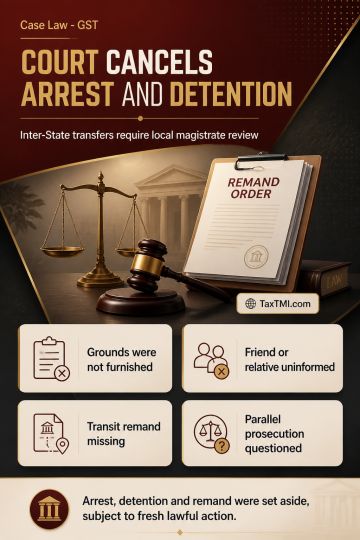
Arrest safeguards and transit remand requirements invalidated detention following inter-State transfer without communicated grounds or magistrate auth...
Arrest safeguards require disclosed grounds, relative intimation and transit remand, while duplicate prosecution under the CGST framework is unsustain...
Document Identification Number defects can invalidate GST assessments, with delayed challenges entertained conditionally where patent irregularities e...
Windmill commissioning evidence supported higher depreciation where grid connection and electricity generation proved operational use before the relev...
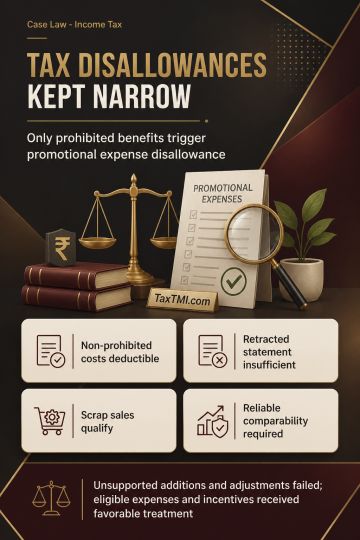
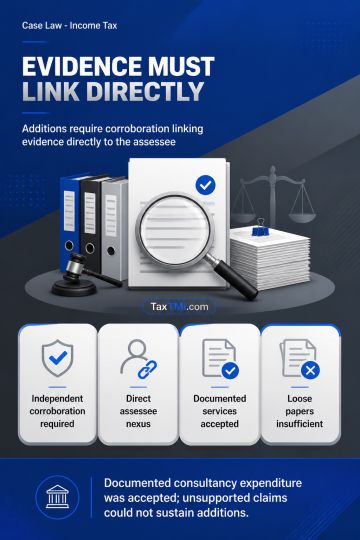
Pharmaceutical promotion and transfer-pricing comparability principles limited disallowances, while uncorroborated search allegations and unsupported ...
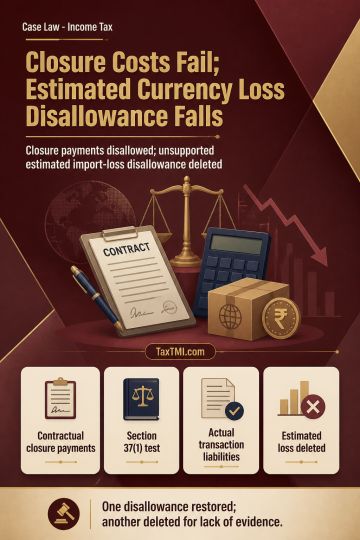
Business expenditure substantiation supports scrap credits, statutory payments and expense claims, while depreciation requires proof of actual busines...
The Appellate Tribunal examined the validity of the reassessment notice issued u/s 148 and the consequent order passed u/s 147 regarding the addition made by the Assessing Officer u/s 69A, treating the long-term capital gain on the sale of shares claimed as exempt u/s 10(38) as bogus. The Tribunal held that when the reopening is based on information received from the investigation wing, the reasons must show that the Assessing Officer independently applied their mind to the information and formed their own opinion. However, in this case, the Assessing Officer merely stated the information received and their conclusion about the alleged escapement of income but did not mention what they did with the available information. The reasons must also paraphrase any investigation report forming the basis and any inquiry conducted by the Assessing Officer, along with the conclusion. If the reasons refer to any document, such document or relevant portion must be enclosed. In this case, the available information with the Assessing Officer was neither stated nor enclosed, rendering the reasons recorded not in accordance with the law. Additionally, the Assessing Officer incorrectly mentioned that the assessee did not declare the long-term capital gain in the return filed in response to the notice u/s 148, whereas the assessee had categorically shown the exempt income comprising capital gain u/s 10(38) and dividend from shares. Consequently, the notice issue.
The Appellate Tribunal examined the validity of the reassessment notice issued u/s 148 and the consequent order passed u/s 147 regarding the addition made by the Assessing Officer u/s 69A, treating the long-term capital gain on the sale of shares claimed as exempt u/s 10(38) as bogus. The Tribunal held that when the reopening is based on information received from the investigation wing, the reasons must show that the Assessing Officer independently applied their mind to the information and formed their own opinion. However, in this case, the Assessing Officer merely stated the information received and their conclusion about the alleged escapement of income but did not mention what they did with the available information. The reasons must also paraphrase any investigation report forming the basis and any inquiry conducted by the Assessing Officer, along with the conclusion. If the reasons refer to any document, such document or relevant portion must be enclosed. In this case, the available information with the Assessing Officer was neither stated nor enclosed, rendering the reasons recorded not in accordance with the law. Additionally, the Assessing Officer incorrectly mentioned that the assessee did not declare the long-term capital gain in the return filed in response to the notice u/s 148, whereas the assessee had categorically shown the exempt income comprising capital gain u/s 10(38) and dividend from shares. Consequently, the notice issue.
Note: It is a system-generated summary and is for quick reference only.
 TaxTMI
 of 4792















 Join Channel


 TaxTMI