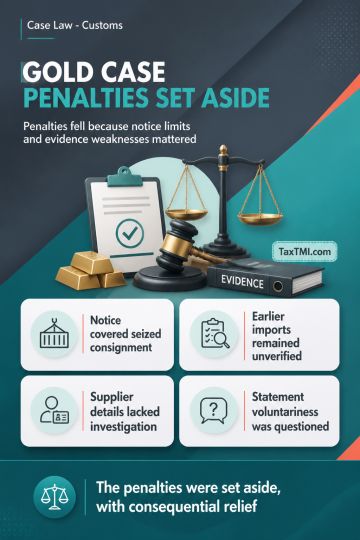
Arrest safeguards and transit remand requirements invalidated detention following inter-State transfer without communicated grounds or magistrate auth...
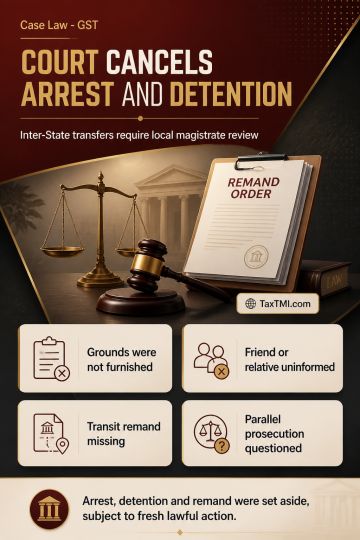
Arrest safeguards require disclosed grounds, relative intimation and transit remand, while duplicate prosecution under the CGST framework is unsustain...
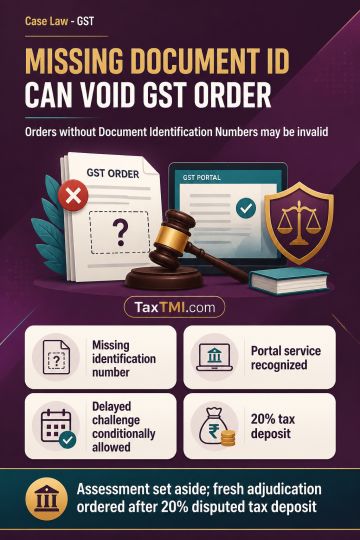
Document Identification Number defects can invalidate GST assessments, with delayed challenges entertained conditionally where patent irregularities e...
Windmill commissioning evidence supported higher depreciation where grid connection and electricity generation proved operational use before the relev...
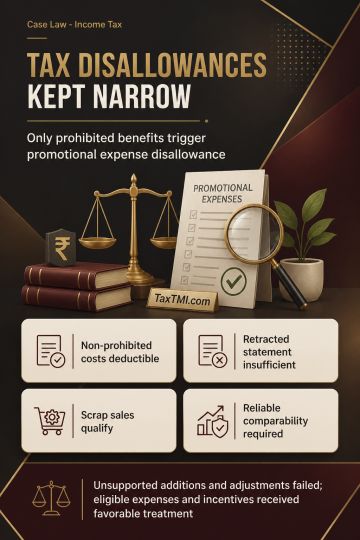
Pharmaceutical promotion and transfer-pricing comparability principles limited disallowances, while uncorroborated search allegations and unsupported ...
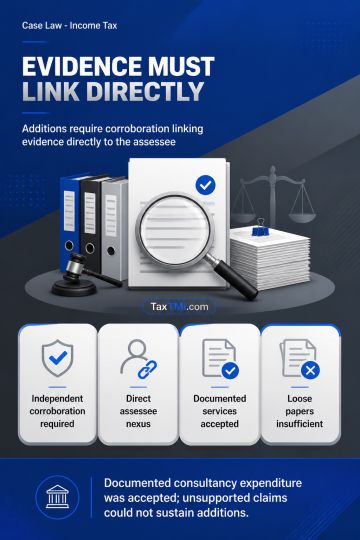
Business expenditure substantiation supports scrap credits, statutory payments and expense claims, while depreciation requires proof of actual busines...
This case involves a challenge to the guidelines issued by the Central Bureau of Narcotics (CBN) regarding the registration of sales contracts for importing poppy seeds from Turkey. The petitioners alleged cartelization, monopolization, and fraudulent practices in the import of poppy seeds, and sought to quash the impugned guidelines. The High Court dismissed the petition, relying on its previous decision in Devki Global Capital, which held that the registration of sales contracts by the Turkish Grain Board (TMO) is an internal matter governed by Turkish law, over which Indian authorities have no jurisdiction. The Court emphasized that the CBN's role is limited to registering contracts duly registered by the TMO, as per the MoU between India and Turkey. The Court also cited the Supreme Court's ruling in Balco Employees' Union, which cautions against judicial interference in matters of economic policy unless there is manifest illegality or mala fide intent. Finding no such grounds, the Court upheld the guidelines and dismissed the petition.
This case involves a challenge to the guidelines issued by the Central Bureau of Narcotics (CBN) regarding the registration of sales contracts for importing poppy seeds from Turkey. The petitioners alleged cartelization, monopolization, and fraudulent practices in the import of poppy seeds, and sought to quash the impugned guidelines. The High Court dismissed the petition, relying on its previous decision in Devki Global Capital, which held that the registration of sales contracts by the Turkish Grain Board (TMO) is an internal matter governed by Turkish law, over which Indian authorities have no jurisdiction. The Court emphasized that the CBN's role is limited to registering contracts duly registered by the TMO, as per the MoU between India and Turkey. The Court also cited the Supreme Court's ruling in Balco Employees' Union, which cautions against judicial interference in matters of economic policy unless there is manifest illegality or mala fide intent. Finding no such grounds, the Court upheld the guidelines and dismissed the petition.
Note: It is a system-generated summary and is for quick reference only.
 TaxTMI
 of 4792















 Join Channel


 TaxTMI