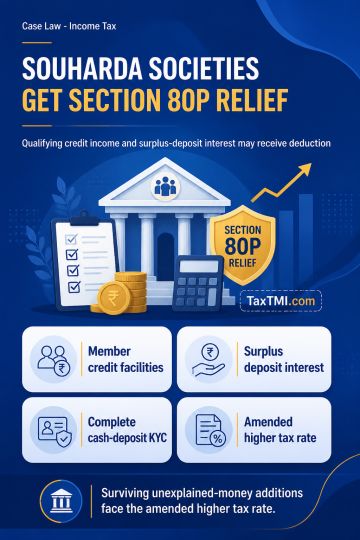
Section 80P deduction covers Souharda credit societies, including qualifying surplus-deposit interest, subject to member KYC verification for cash dep...
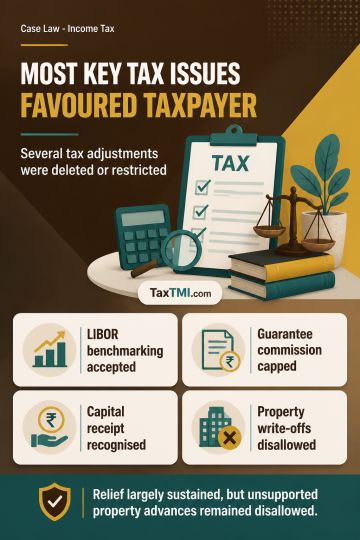
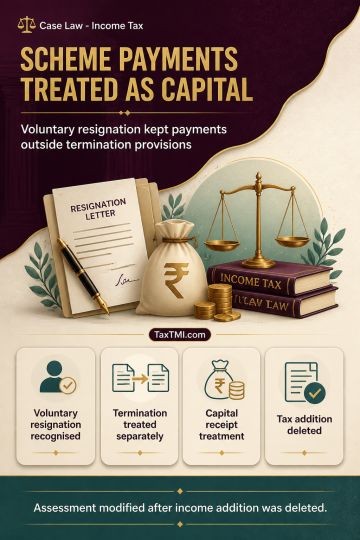
Transfer-pricing benchmarking and capital-receipt principles sustained taxpayer relief, while unsupported property-advance write-offs remained disallo...
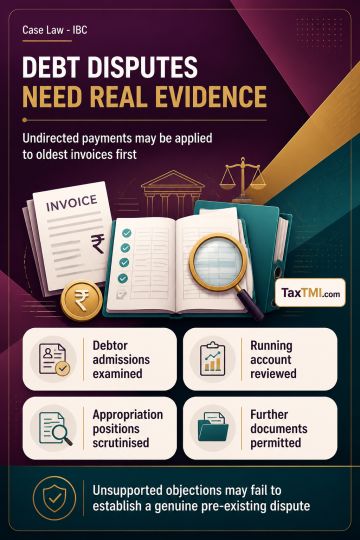
Pre-existing operational debt disputes require genuine evidence, while undirected running-account payments may be appropriated on a first-in-first-out...
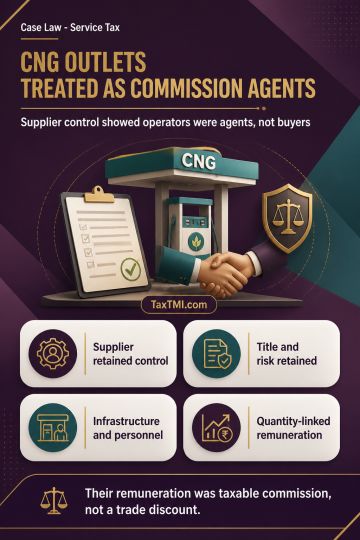
Agency in CNG distribution makes outlet operators commission agents, rendering taxable Business Auxiliary Service rather than purchasing goods for res...
The CESTAT held that in the absence of Section 3A of the Central Excise Act, 1944, and Rules 96ZO, ZP, and ZQ of the Central Excise Rules, 1944, along with any saving clause, the adjudicating authority lacked statutory power to decide matters related to the compounded levy scheme after March 1, 2001. Consequently, the orders-in-original passed by the adjudicating authority, holding the appellants liable to pay duty under the compounded levy scheme, were non-est and lacked legal authority. The entire proceedings, including the show cause notices and adjudication thereof, were vitiated. Without a valid provision or saving clause, the adjudication proceedings were illegal and incorrect, and no demand could be confirmed. Therefore, the impugned orders were unsustainable, and the appeal was allowed.
The CESTAT held that in the absence of Section 3A of the Central Excise Act, 1944, and Rules 96ZO, ZP, and ZQ of the Central Excise Rules, 1944, along with any saving clause, the adjudicating authority lacked statutory power to decide matters related to the compounded levy scheme after March 1, 2001. Consequently, the orders-in-original passed by the adjudicating authority, holding the appellants liable to pay duty under the compounded levy scheme, were non-est and lacked legal authority. The entire proceedings, including the show cause notices and adjudication thereof, were vitiated. Without a valid provision or saving clause, the adjudication proceedings were illegal and incorrect, and no demand could be confirmed. Therefore, the impugned orders were unsustainable, and the appeal was allowed.
Note: It is a system-generated summary and is for quick reference only.
 TaxTMI
 of 4792





 Join Channel


 TaxTMI
