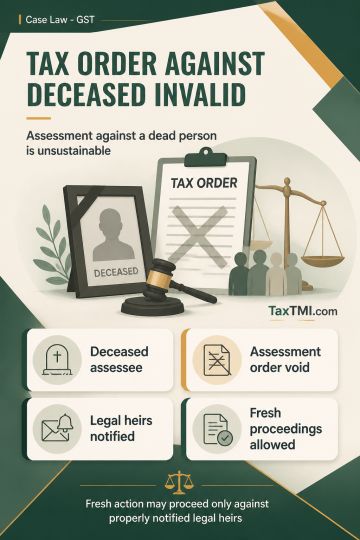
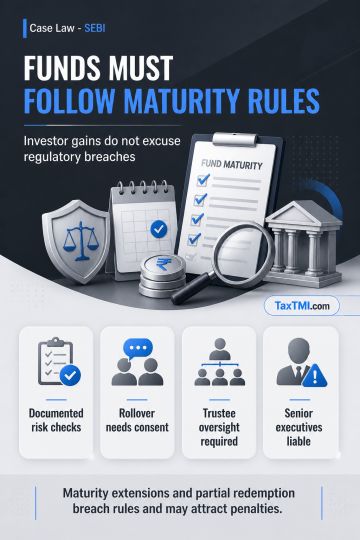
Mutual fund maturity rules require proper rollover, redemption, disclosure, and due diligence; investor gains cannot excuse regulatory breaches or pen...
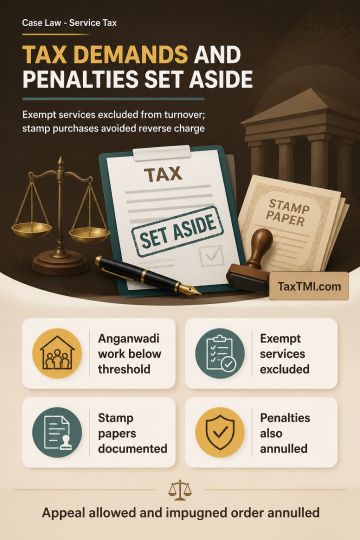
Threshold exemption excludes exempt services, while stamp-paper purchases avoid reverse charge; consequential service tax penalties were also set asid...
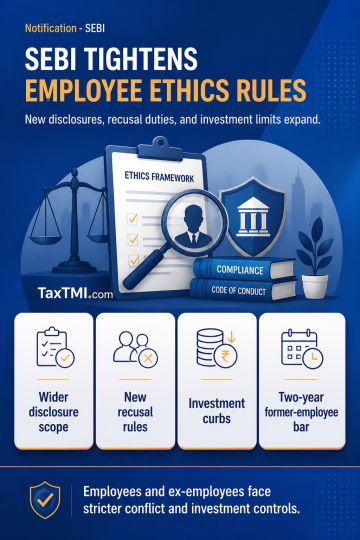
Employee conflict disclosures and investment restrictions expand with new recusal duties, post-employment limits, and compliance reporting requirement...
The Committee of Creditors (CoC) resolved to liquidate the Corporate Debtor u/s 33 of the Insolvency and Bankruptcy Code, 2016 by a majority of 90.16% voting in favor, considering the bleak chances of insolvency resolution amid ongoing investigations and attachment of assets by the Directorate of Enforcement under the PMLA, 2002. The CoC appointed Mr. Santanu T. Ray as the Liquidator with his written consent. The Supreme Court in K. Sashidhar v. Indian Overseas Bank held that the CoC's decisions based on commercial wisdom are non-justiciable. The Tribunal has limited powers of judicial review in such matters and allowed the application, opining that the Corporate Debtor should be liquidated as per the Code.
The Committee of Creditors (CoC) resolved to liquidate the Corporate Debtor u/s 33 of the Insolvency and Bankruptcy Code, 2016 by a majority of 90.16% voting in favor, considering the bleak chances of insolvency resolution amid ongoing investigations and attachment of assets by the Directorate of Enforcement under the PMLA, 2002. The CoC appointed Mr. Santanu T. Ray as the Liquidator with his written consent. The Supreme Court in K. Sashidhar v. Indian Overseas Bank held that the CoC's decisions based on commercial wisdom are non-justiciable. The Tribunal has limited powers of judicial review in such matters and allowed the application, opining that the Corporate Debtor should be liquidated as per the Code.
Note: It is a system-generated summary and is for quick reference only.
 TaxTMI
 of 4805







 Join Channel


 TaxTMI