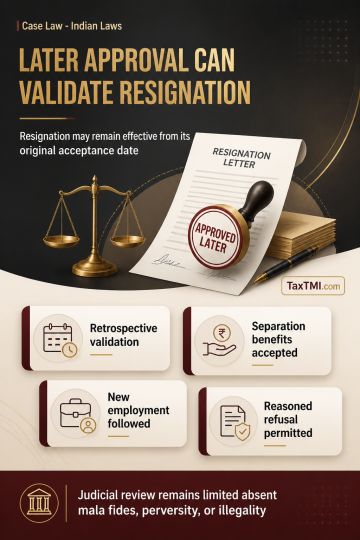
Ratification of resignation acceptance validates separation retrospectively, while withdrawal may be refused through reasoned administrative discretio...
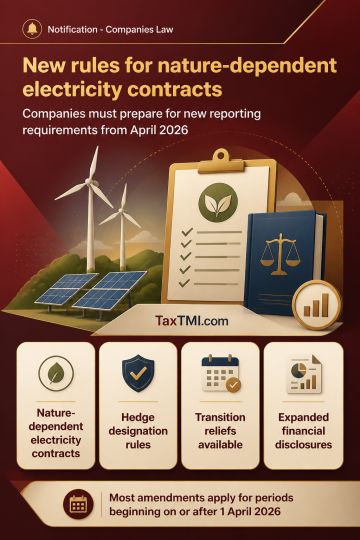
Nature-dependent electricity contracts receive new Ind AS accounting, hedge designation, transition and financial-statement disclosure requirements fr...
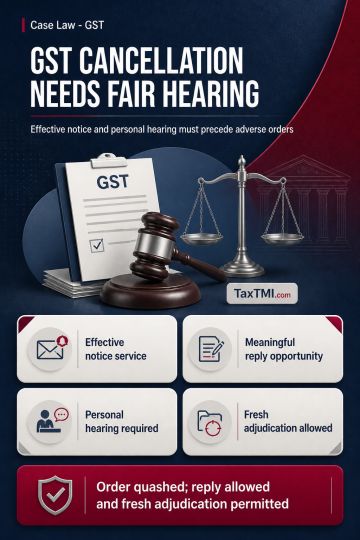
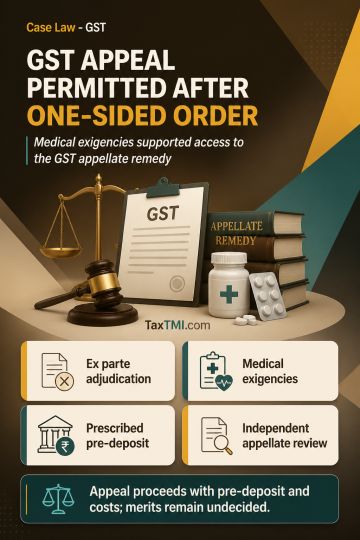
Alternative GST remedy permitted protective writ intervention for ex parte adjudication, preserving independent appellate review of input tax credit d...
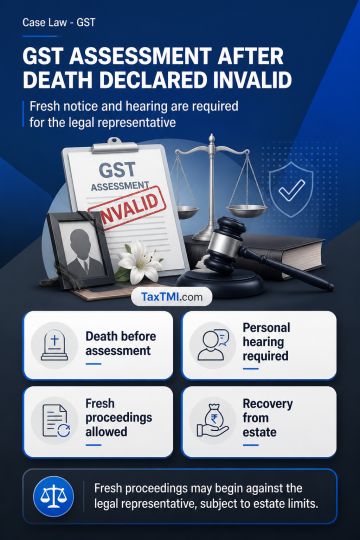
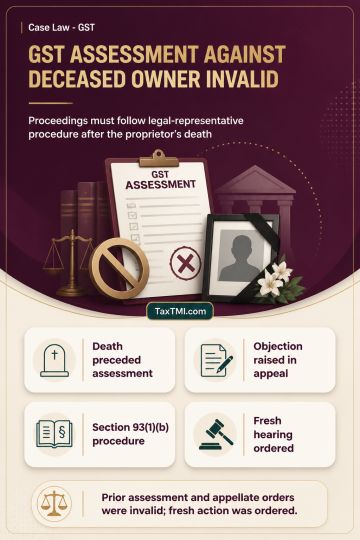
Assessment against deceased sole proprietor requires proceedings against the legal representative, rendering prior assessment and appellate orders inv...
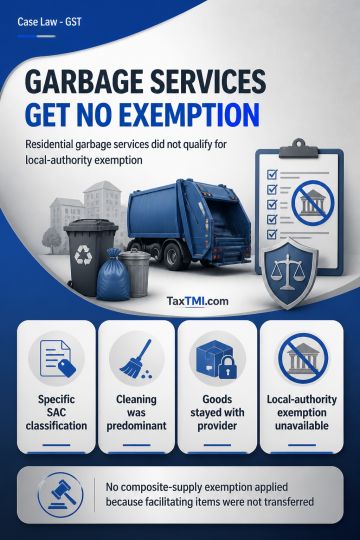
Residential waste collection classification under SAC 999423 defeats composite-supply exemption where facilitating goods are not transferred to the lo...
The High Court held that the issues raised by the petitioner regarding the reasons for transporting goods in a different vehicle and the expiry of the e-way bill should have been considered by the competent authorities before imposing a penalty u/s 129 of the CGST/SGST Acts. If there was no attempt to evade tax and the discrepancies were beyond the petitioner's control, this should have been considered by the original and Appellate Authorities. Although the petitioner may be justified in challenging the Appellate Authority's order due to the non-constitution of the Tribunal u/s 112, the High Court may not entertain the challenge in a writ petition under Article 226 since adjudication involves disputed questions of fact. The appeal filed by the petitioner is restored to the Appellate Authority, who shall pass fresh orders after affording a further opportunity of hearing to the petitioner. The order is quashed.
The High Court held that the issues raised by the petitioner regarding the reasons for transporting goods in a different vehicle and the expiry of the e-way bill should have been considered by the competent authorities before imposing a penalty u/s 129 of the CGST/SGST Acts. If there was no attempt to evade tax and the discrepancies were beyond the petitioner's control, this should have been considered by the original and Appellate Authorities. Although the petitioner may be justified in challenging the Appellate Authority's order due to the non-constitution of the Tribunal u/s 112, the High Court may not entertain the challenge in a writ petition under Article 226 since adjudication involves disputed questions of fact. The appeal filed by the petitioner is restored to the Appellate Authority, who shall pass fresh orders after affording a further opportunity of hearing to the petitioner. The order is quashed.
Note: It is a system-generated summary and is for quick reference only.
 TaxTMI
 of 4796





 Join Channel


 TaxTMI
