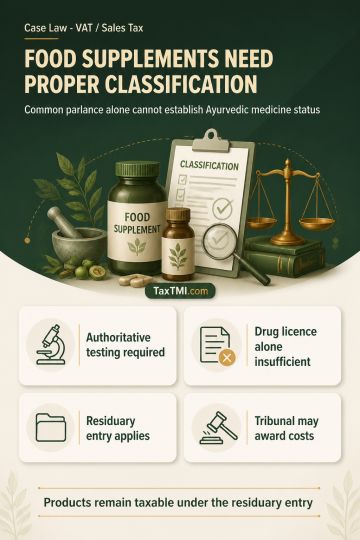
Food supplement classification requires common parlance and authoritative tests, preventing treatment as proprietary Ayurvedic medicines without suppo...
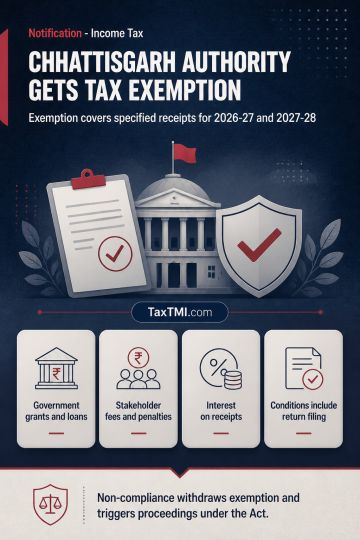
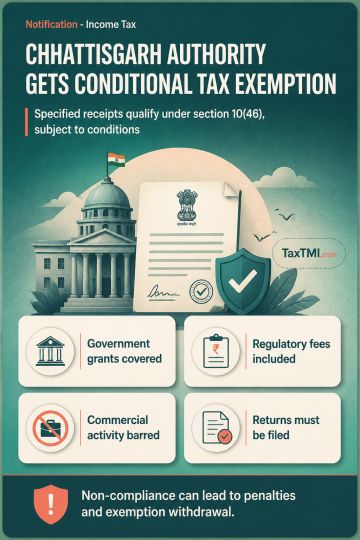
Specified regulatory authority income receives conditional tax exemption, subject to non-commercial activity, unchanged income character, and return f...
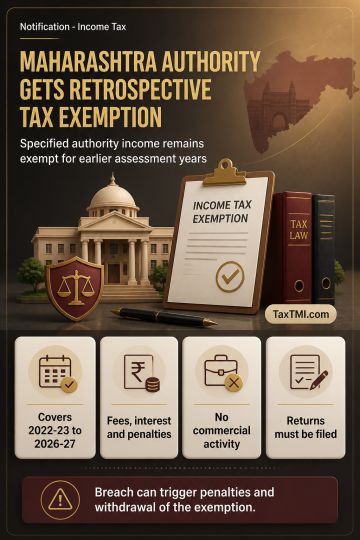
Tax exemption for regulatory authority income applies retrospectively, subject to non-commercial activity, unchanged income sources, and return-filing...
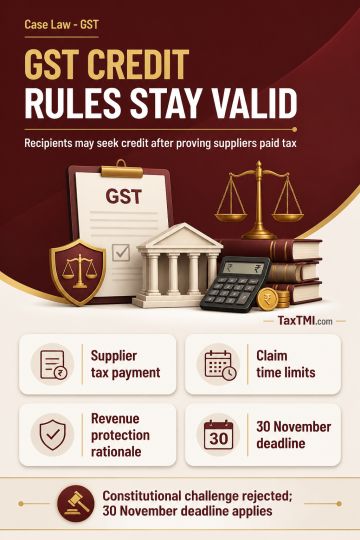
Input tax credit conditions remain constitutionally valid, with eligible recipient claims considered under GST circulars and retrospective filing dead...
Bogus donation receipts justified commission income assessment and defeated political-party tax exemption for inaccurate accounts and reporting failur...
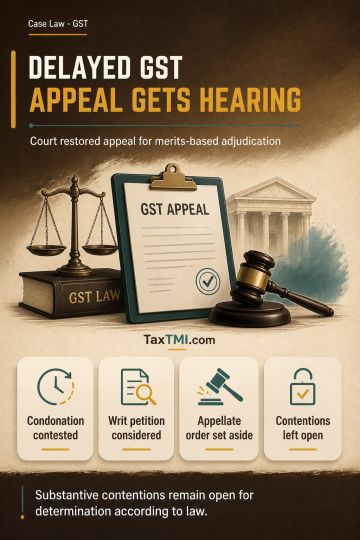
The High Court held that the issues raised by the petitioner regarding the reasons for transporting goods in a different vehicle and the expiry of the e-way bill should have been considered by the competent authorities before imposing a penalty u/s 129 of the CGST/SGST Acts. If there was no attempt to evade tax and the discrepancies were beyond the petitioner's control, this should have been considered by the original and Appellate Authorities. Although the petitioner may be justified in challenging the Appellate Authority's order due to the non-constitution of the Tribunal u/s 112, the High Court may not entertain the challenge in a writ petition under Article 226 since adjudication involves disputed questions of fact. The appeal filed by the petitioner is restored to the Appellate Authority, who shall pass fresh orders after affording a further opportunity of hearing to the petitioner. The order is quashed.
The High Court held that the issues raised by the petitioner regarding the reasons for transporting goods in a different vehicle and the expiry of the e-way bill should have been considered by the competent authorities before imposing a penalty u/s 129 of the CGST/SGST Acts. If there was no attempt to evade tax and the discrepancies were beyond the petitioner's control, this should have been considered by the original and Appellate Authorities. Although the petitioner may be justified in challenging the Appellate Authority's order due to the non-constitution of the Tribunal u/s 112, the High Court may not entertain the challenge in a writ petition under Article 226 since adjudication involves disputed questions of fact. The appeal filed by the petitioner is restored to the Appellate Authority, who shall pass fresh orders after affording a further opportunity of hearing to the petitioner. The order is quashed.
Note: It is a system-generated summary and is for quick reference only.
 TaxTMI
 of 4803









 Join Channel


 TaxTMI

