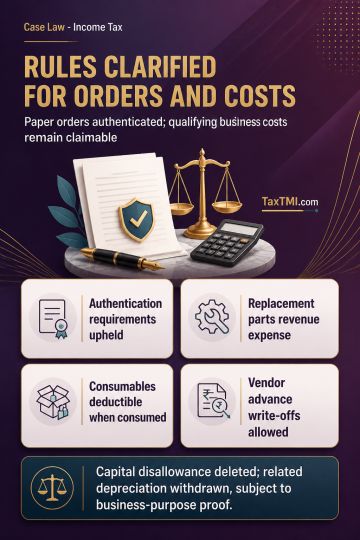
Authentication of paper assessment orders upheld, while qualifying repairs, consumables and vendor advance write-offs remain deductible business claim...
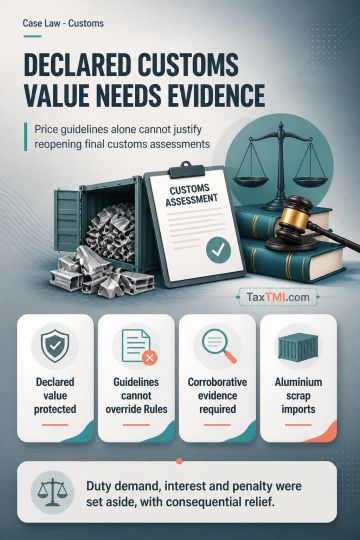
Transaction value cannot be rejected solely on non-statutory valuation guidelines without corroborative evidence supporting reassessment of final cust...
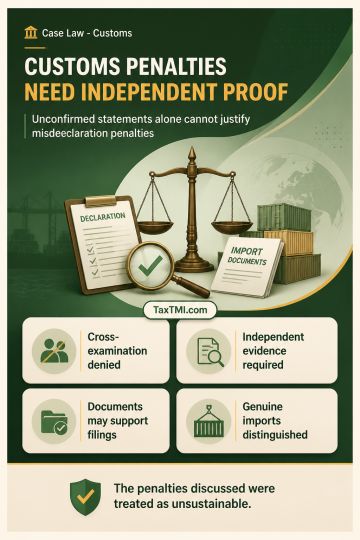
Cross-examination rights and corroborated evidence limit customs penalties for misdeclaration in genuine import transactions involving documented clea...
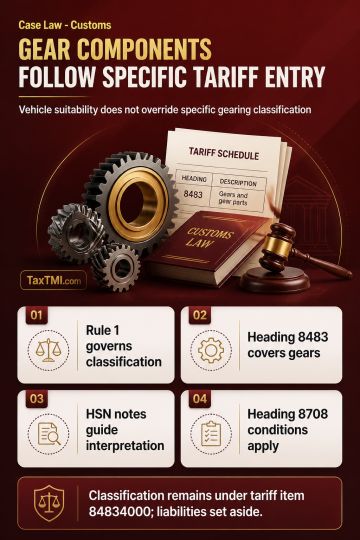
Tariff classification of vehicle gear components follows the specific gearing entry, displacing motor-vehicle parts classification and related liabili...
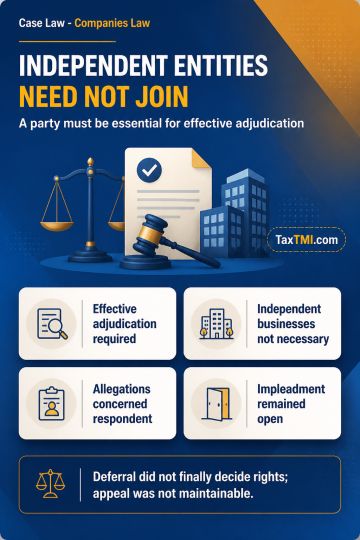
Necessary-party requirements limit impleadment of independent entities, while deferred consideration does not create an appealable adverse determinati...
The High Court held that the issues raised by the petitioner regarding the reasons for transporting goods in a different vehicle and the expiry of the e-way bill should have been considered by the competent authorities before imposing a penalty u/s 129 of the CGST/SGST Acts. If there was no attempt to evade tax and the discrepancies were beyond the petitioner's control, this should have been considered by the original and Appellate Authorities. Although the petitioner may be justified in challenging the Appellate Authority's order due to the non-constitution of the Tribunal u/s 112, the High Court may not entertain the challenge in a writ petition under Article 226 since adjudication involves disputed questions of fact. The appeal filed by the petitioner is restored to the Appellate Authority, who shall pass fresh orders after affording a further opportunity of hearing to the petitioner. The order is quashed.
The High Court held that the issues raised by the petitioner regarding the reasons for transporting goods in a different vehicle and the expiry of the e-way bill should have been considered by the competent authorities before imposing a penalty u/s 129 of the CGST/SGST Acts. If there was no attempt to evade tax and the discrepancies were beyond the petitioner's control, this should have been considered by the original and Appellate Authorities. Although the petitioner may be justified in challenging the Appellate Authority's order due to the non-constitution of the Tribunal u/s 112, the High Court may not entertain the challenge in a writ petition under Article 226 since adjudication involves disputed questions of fact. The appeal filed by the petitioner is restored to the Appellate Authority, who shall pass fresh orders after affording a further opportunity of hearing to the petitioner. The order is quashed.
Note: It is a system-generated summary and is for quick reference only.
 TaxTMI
 of 4803






 Join Channel


 TaxTMI
