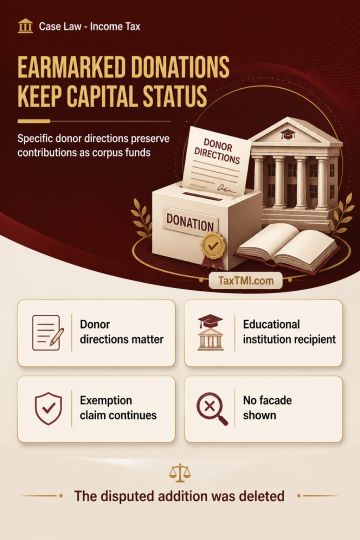
Donor-directed corpus contributions retain capital character despite exemption claims under section 10(23C)(vi), preventing their treatment as taxable...
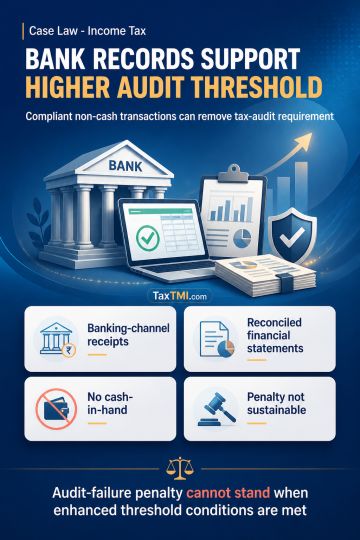
Enhanced tax-audit threshold applies where banking records establish compliant non-cash receipts and payments, eliminating penalty exposure for audit ...
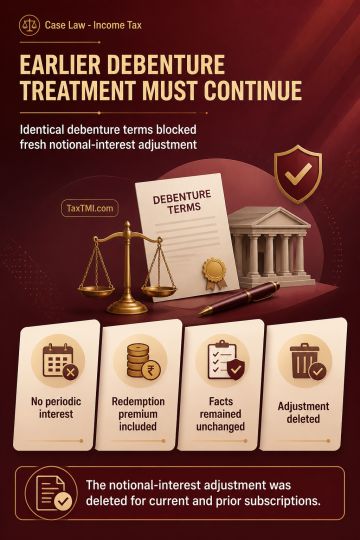
Transfer pricing consistency protects identical non-interest-bearing debenture terms from a later notional-interest adjustment without valid statutory...
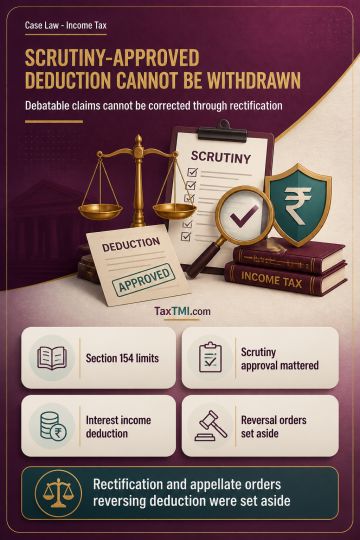
Rectification of debatable deduction claims cannot reverse scrutiny-approved co-operative society interest income deductions as apparent record errors...
The Tribunal examined the issue of availment of concessional rate of duty under Notification No. 68/2012-Cus. dated 31.12.2012 for import of whole arecanut originally from Pakistan. The Commissioner (Appeals) had held that the respondent failed to fulfill the criteria u/r 8 for concessional rate, but allowed the benefit on grounds of non-adherence to procedure for challenging the certificate of origin by the Ministry of Commerce. The Tribunal found that the procedure followed by Revenue was not an issue before the Commissioner (Appeals), who travelled beyond the scope of the order under challenge. Relying on the Supreme Court's decision in Gujarat State Fertilizers Co. v. Collector of Central Excise, the Tribunal set aside the impugned order as bad in law, as the respondent did not challenge the Revenue's authority nor was it an issue during assessment proceedings. Consequently, the Revenue's appeal was allowed.
The Tribunal examined the issue of availment of concessional rate of duty under Notification No. 68/2012-Cus. dated 31.12.2012 for import of whole arecanut originally from Pakistan. The Commissioner (Appeals) had held that the respondent failed to fulfill the criteria u/r 8 for concessional rate, but allowed the benefit on grounds of non-adherence to procedure for challenging the certificate of origin by the Ministry of Commerce. The Tribunal found that the procedure followed by Revenue was not an issue before the Commissioner (Appeals), who travelled beyond the scope of the order under challenge. Relying on the Supreme Court's decision in Gujarat State Fertilizers Co. v. Collector of Central Excise, the Tribunal set aside the impugned order as bad in law, as the respondent did not challenge the Revenue's authority nor was it an issue during assessment proceedings. Consequently, the Revenue's appeal was allowed.
Note: It is a system-generated summary and is for quick reference only.
 TaxTMI
  TaxTMI
 of 4824



 Join Channel


