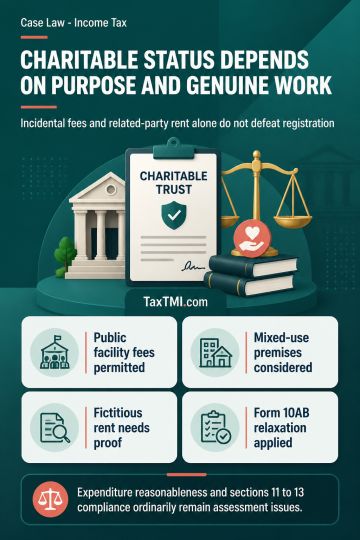
Charitable registration turns on predominant purpose and genuine activities, while incidental fees and related-party rent require supporting adverse m...
MAT book-profit adjustments exclude disallowances for exempt-income expenditure and demerger expenditure unless expressly listed under the statutory c...
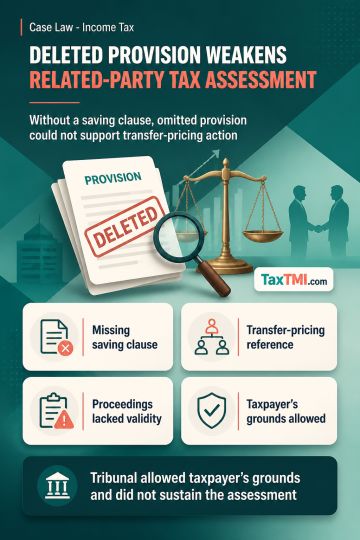
Omitted specified domestic transaction provision invalidates related-party expenditure transfer-pricing references and assessments based on consequent...
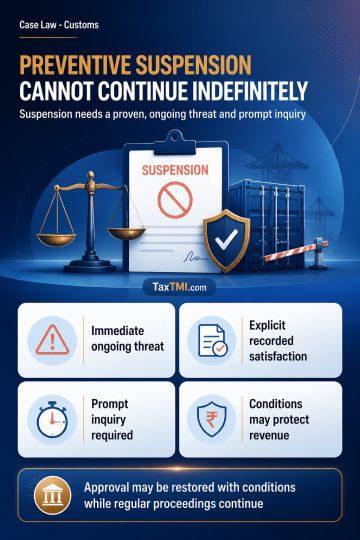
Preventive suspension requires an immediate continuing threat and cannot become indefinite without inquiry, fresh evidence, or proportionate safeguard...
The Tamil Nadu Protection of Interests of Depositors Act (TNPID Act), 1997, is a special enactment intended to protect depositors' rights and provide a mechanism for disbursement of assets of the accused, apart from punishing them. The Insolvency and Bankruptcy Code (IBC), 2016, overrides inconsistent provisions in other laws, as per Section 238. However, the Madras High Court held that the TNPID Act's purpose, upheld by the Supreme Court despite marginal encroachment into Central legislations, cannot be ignored. The Court ruled that the NCLT order declaring attachments under the TNPID Act null and void was contrary to settled principles of law. The State's sovereign power and duty to protect public interest through the TNPID Act was reiterated, allowing the petition.
The Tamil Nadu Protection of Interests of Depositors Act (TNPID Act), 1997, is a special enactment intended to protect depositors' rights and provide a mechanism for disbursement of assets of the accused, apart from punishing them. The Insolvency and Bankruptcy Code (IBC), 2016, overrides inconsistent provisions in other laws, as per Section 238. However, the Madras High Court held that the TNPID Act's purpose, upheld by the Supreme Court despite marginal encroachment into Central legislations, cannot be ignored. The Court ruled that the NCLT order declaring attachments under the TNPID Act null and void was contrary to settled principles of law. The State's sovereign power and duty to protect public interest through the TNPID Act was reiterated, allowing the petition.
Note: It is a system-generated summary and is for quick reference only.
 TaxTMI
  TaxTMI
 of 4828



















 Join Channel


