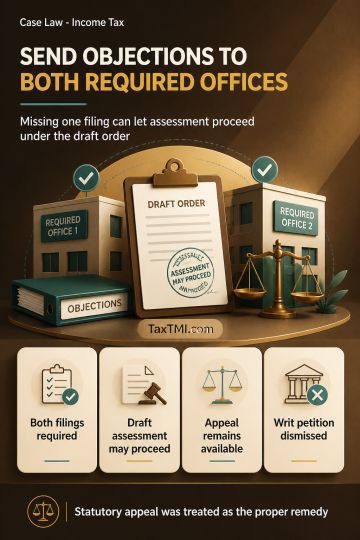
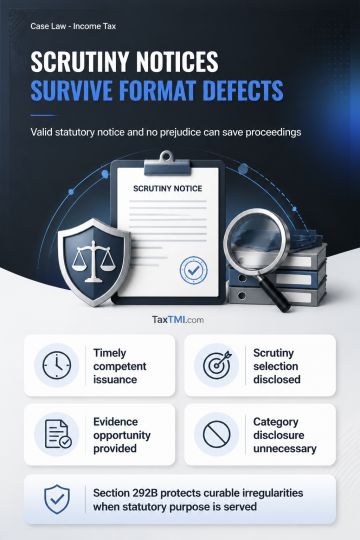
Dispute Resolution Panel objections must reach both prescribed forums; otherwise assessment may proceed and statutory appeal remains the proper remedy...
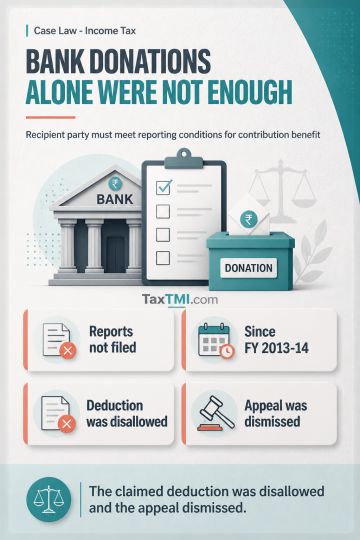
Political contribution deductions require recipient party compliance with contribution-reporting conditions; banking-channel donations alone do not qu...
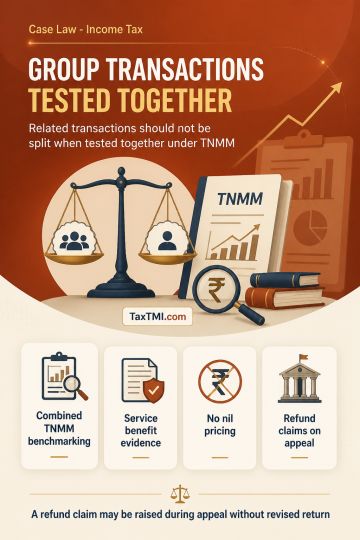
Aggregation under TNMM prevents selective testing of intra-group services without comparable uncontrolled transactions, while appellate additional cla...
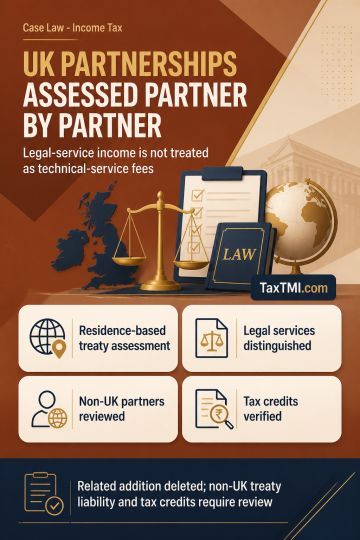
Protective assessment cannot duplicate identical receipts under competing characterisations; remote services did not establish a taxable permanent est...
Current account treatment of overseas tournament services removed most FEMA findings, but excess EEFC remittance and delayed repatriation remained bre...
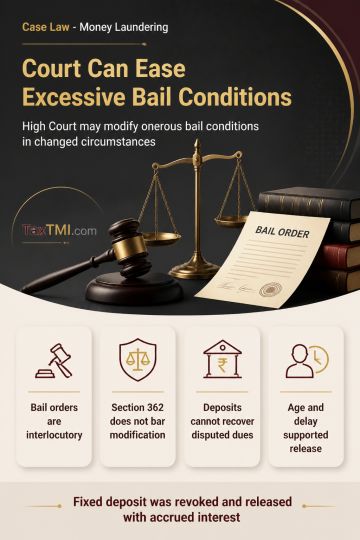
Modification of bail conditions remains available through inherent jurisdiction where onerous deposits undermine justice and cannot recover disputed d...
The case pertains to the classification of imported goods such as binding material, parts for brake, disc brake pads, tool for mould, etc. under the Customs Tariff Headings (CTH) 38249090/38247900 or CTH 68138900. The key points are: The imported materials are more appropriately classifiable under Chapter Heading 6813 as friction material based on their composition and usage in brake pad manufacturing. The Material Safety Data Sheet also identifies them as friction material. Friction materials not mounted for brakes or clutches fall under CTH 6813. However, when mounted, including friction material fixed to a metal plate for disc brakes, they are classified as parts of the machines or vehicles for which they are designed. The imported product consists of a friction material bonded with a steel backing plate, forming an integrated component used in automotive vehicle brakes. Therefore, it is more appropriately classifiable under CTH 6813 and not under CTH 3824. Regarding the invocation of the extended period, the Tribunal held that in the absence of any finding of positive suppression by the importer, misclassification cannot be equated with misdeclaration within the meaning of Section 28(4) of the Customs Act, 1962. Considering the importer's consistent classification practice and regular imports, attributing any.
The case pertains to the classification of imported goods such as binding material, parts for brake, disc brake pads, tool for mould, etc. under the Customs Tariff Headings (CTH) 38249090/38247900 or CTH 68138900. The key points are: The imported materials are more appropriately classifiable under Chapter Heading 6813 as friction material based on their composition and usage in brake pad manufacturing. The Material Safety Data Sheet also identifies them as friction material. Friction materials not mounted for brakes or clutches fall under CTH 6813. However, when mounted, including friction material fixed to a metal plate for disc brakes, they are classified as parts of the machines or vehicles for which they are designed. The imported product consists of a friction material bonded with a steel backing plate, forming an integrated component used in automotive vehicle brakes. Therefore, it is more appropriately classifiable under CTH 6813 and not under CTH 3824. Regarding the invocation of the extended period, the Tribunal held that in the absence of any finding of positive suppression by the importer, misclassification cannot be equated with misdeclaration within the meaning of Section 28(4) of the Customs Act, 1962. Considering the importer's consistent classification practice and regular imports, attributing any.
Note: It is a system-generated summary and is for quick reference only.
 TaxTMI
 of 4805







 Join Channel


 TaxTMI
