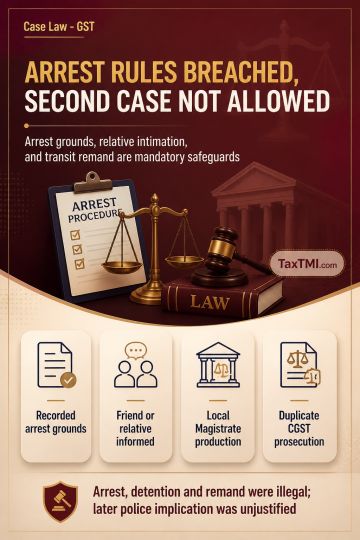
Arrest safeguards require disclosed grounds, relative intimation and transit remand, while duplicate prosecution under the CGST framework is unsustain...
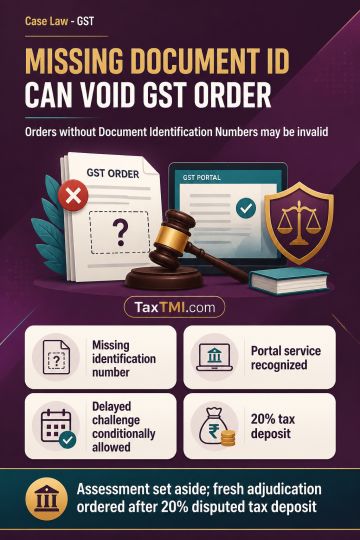
Document Identification Number defects can invalidate GST assessments, with delayed challenges entertained conditionally where patent irregularities e...
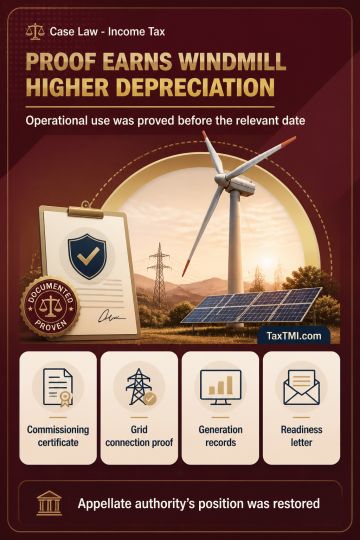
Windmill commissioning evidence supported higher depreciation where grid connection and electricity generation proved operational use before the relev...
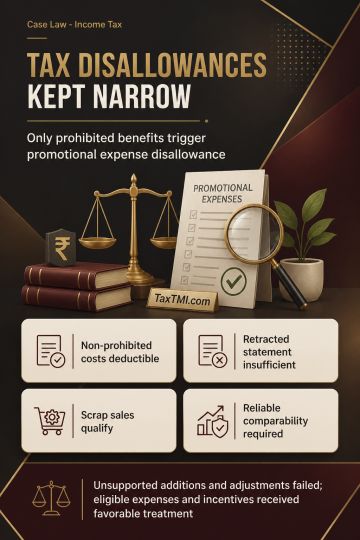
Pharmaceutical promotion and transfer-pricing comparability principles limited disallowances, while uncorroborated search allegations and unsupported ...
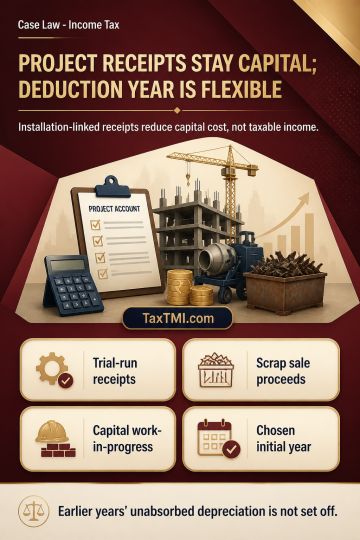
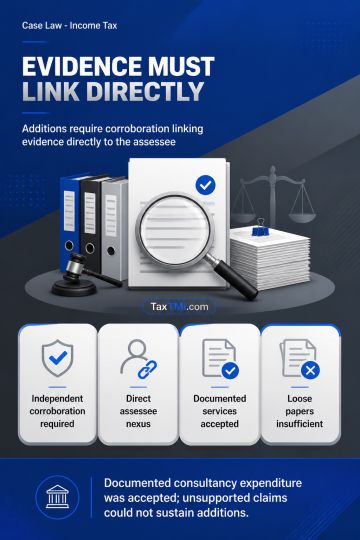
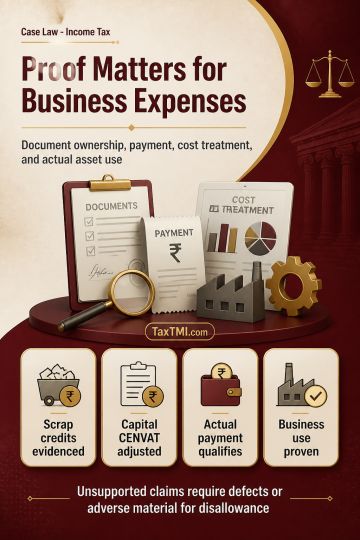
Business expenditure substantiation supports scrap credits, statutory payments and expense claims, while depreciation requires proof of actual busines...
Service tax liability cannot be imposed twice on the same transaction. The appellant, as a service recipient, was required to pay 75% of the service tax under the reverse charge mechanism for manpower supply agency services. However, the undisputed fact is that the service provider, M/s. Kalpataru Job Management, had already discharged 100% of the applicable service tax, as reflected in their invoice. Demanding service tax from the appellant would amount to recovering the tax twice, which is impermissible. The CESTAT Bangalore Bench in Kerala Ceramics Ltd vs CCE case held that if the transporter has discharged the service tax liability and provided documentary evidence, the same cannot be demanded from the recipient. Since 100% service tax was paid by the service provider, it cannot be recovered from the appellant. Consequently, the impugned order is set aside, and the appeal is allowed.
Service tax liability cannot be imposed twice on the same transaction. The appellant, as a service recipient, was required to pay 75% of the service tax under the reverse charge mechanism for manpower supply agency services. However, the undisputed fact is that the service provider, M/s. Kalpataru Job Management, had already discharged 100% of the applicable service tax, as reflected in their invoice. Demanding service tax from the appellant would amount to recovering the tax twice, which is impermissible. The CESTAT Bangalore Bench in Kerala Ceramics Ltd vs CCE case held that if the transporter has discharged the service tax liability and provided documentary evidence, the same cannot be demanded from the recipient. Since 100% service tax was paid by the service provider, it cannot be recovered from the appellant. Consequently, the impugned order is set aside, and the appeal is allowed.
Note: It is a system-generated summary and is for quick reference only.
 TaxTMI
 of 4805




 Join Channel


 TaxTMI