Arrest safeguards require disclosed grounds, relative intimation and transit remand, while duplicate prosecution under the CGST framework is unsustain...
Document Identification Number defects can invalidate GST assessments, with delayed challenges entertained conditionally where patent irregularities e...
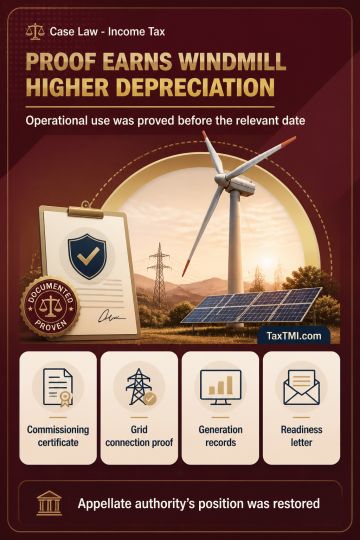
Windmill commissioning evidence supported higher depreciation where grid connection and electricity generation proved operational use before the relev...
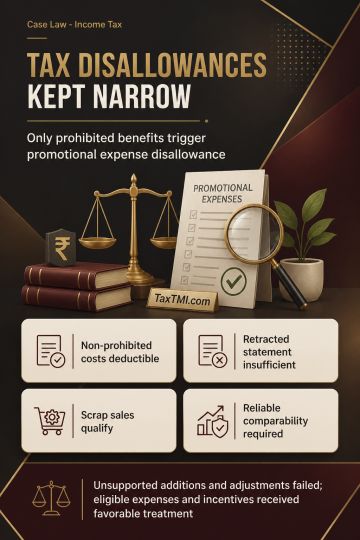
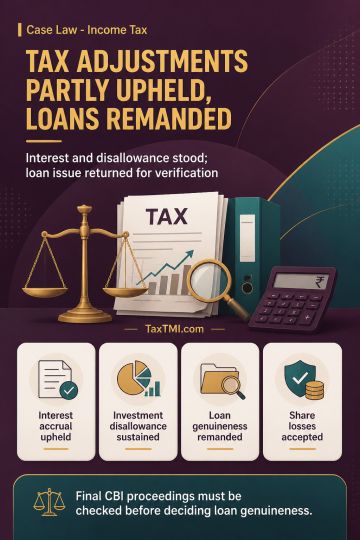
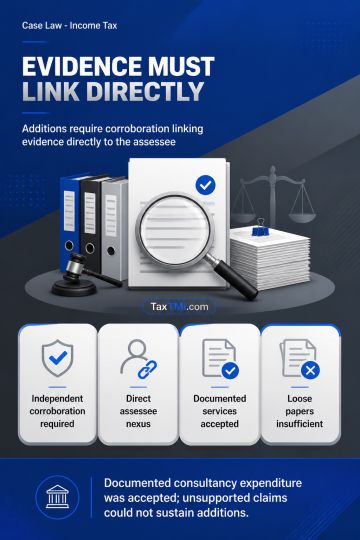
Pharmaceutical promotion and transfer-pricing comparability principles limited disallowances, while uncorroborated search allegations and unsupported ...
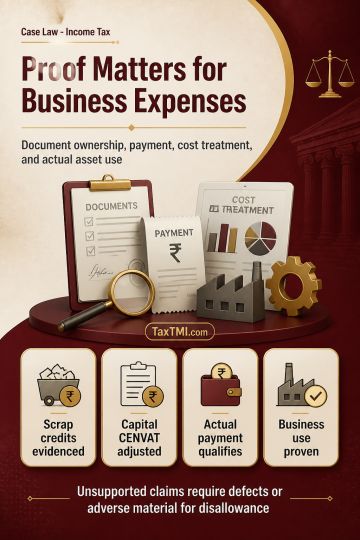
Business expenditure substantiation supports scrap credits, statutory payments and expense claims, while depreciation requires proof of actual busines...
Wrongful transfer of credit attributable to all units by the Input Service Distributor (ISD) exclusively to the respondent, contravening the second proviso to Rule 3(4) of the Cenvat Credit Rules. The tribunal held that the credit of service tax paid on Clearing & Forwarding Agents Services is eligible as it is a post-manufacturing activity not used in or in relation to manufacturing goods. The proviso limiting credit availment does not apply when credit is availed based on invoices issued by ISD. The department lacks jurisdiction to question the correctness of credit distributed by ISD from the recipient merely availing credit based on ISD invoices. Services like advertisement, manpower recruitment, market research are used by all units, and no input service was exclusively utilized in respondent's Guwahati units. Hence, ISD correctly followed Section 7(b). The extended period of limitation cannot be invoked as respondent and ISD regularly filed returns showing Cenvat Credit availed without concealing material facts. Interest and penalty are not applicable since the service tax demand itself is unsustainable. The tribunal upheld the Commissioner's order dismissing the Revenue's appeal.
Wrongful transfer of credit attributable to all units by the Input Service Distributor (ISD) exclusively to the respondent, contravening the second proviso to Rule 3(4) of the Cenvat Credit Rules. The tribunal held that the credit of service tax paid on Clearing & Forwarding Agents Services is eligible as it is a post-manufacturing activity not used in or in relation to manufacturing goods. The proviso limiting credit availment does not apply when credit is availed based on invoices issued by ISD. The department lacks jurisdiction to question the correctness of credit distributed by ISD from the recipient merely availing credit based on ISD invoices. Services like advertisement, manpower recruitment, market research are used by all units, and no input service was exclusively utilized in respondent's Guwahati units. Hence, ISD correctly followed Section 7(b). The extended period of limitation cannot be invoked as respondent and ISD regularly filed returns showing Cenvat Credit availed without concealing material facts. Interest and penalty are not applicable since the service tax demand itself is unsustainable. The tribunal upheld the Commissioner's order dismissing the Revenue's appeal.
Note: It is a system-generated summary and is for quick reference only.
 TaxTMI
 of 4805






 Join Channel


 TaxTMI