Dispute Resolution Panel objections must reach both prescribed forums; otherwise assessment may proceed and statutory appeal remains the proper remedy...
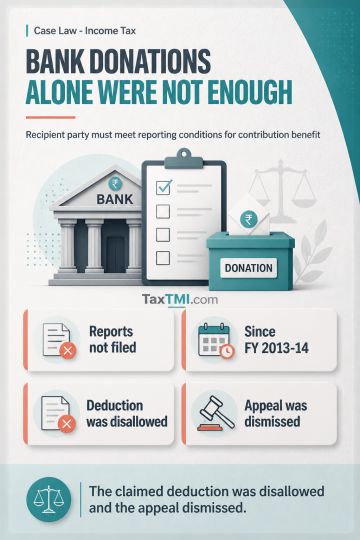
Political contribution deductions require recipient party compliance with contribution-reporting conditions; banking-channel donations alone do not qu...
Aggregation under TNMM prevents selective testing of intra-group services without comparable uncontrolled transactions, while appellate additional cla...
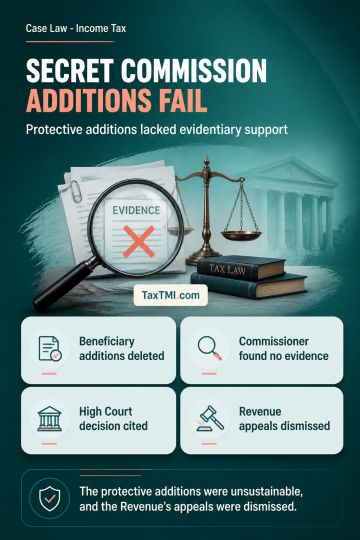
Protective assessment cannot duplicate identical receipts under competing characterisations; remote services did not establish a taxable permanent est...
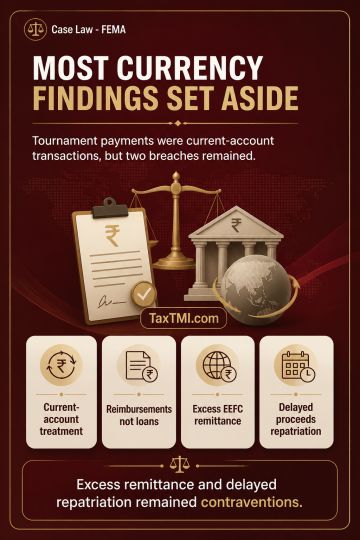
Current account treatment of overseas tournament services removed most FEMA findings, but excess EEFC remittance and delayed repatriation remained bre...
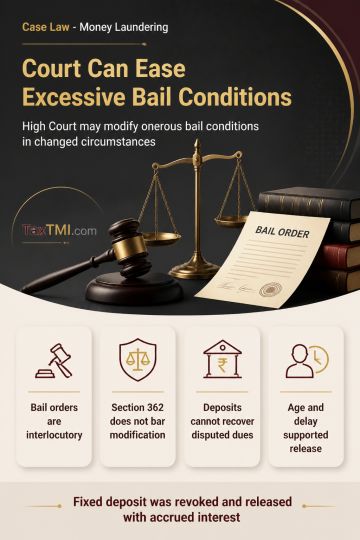
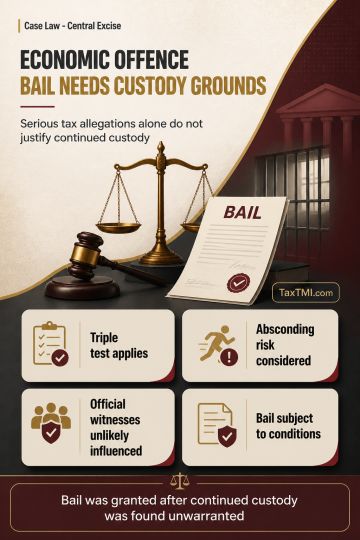
Modification of bail conditions remains available through inherent jurisdiction where onerous deposits undermine justice and cannot recover disputed d...
Interpretation of the phrase "reason to believe" u/s 110 of the Customs Act, which is a crucial safeguard for authorizing officers to conduct searches. The court examined the legal principles governing "reason to believe," emphasizing that it cannot be arbitrary, capricious, or whimsical, and must be based on material evidence. The officer must independently apply their mind and not merely reproduce statutory words mechanically. The reasons must be self-explanatory and cannot be supported by extraneous material. In the present case, the suspected opinion of local traders that the seized dried areca nuts were of foreign origin was deemed unreliable and unacceptable, as their origin could not be conclusively determined by mere visual inspection. The court held that the seizure memo lacked valid reasons and set it aside, discharging the bank guarantee and ordering the release of the seized goods within three months.
Interpretation of the phrase "reason to believe" u/s 110 of the Customs Act, which is a crucial safeguard for authorizing officers to conduct searches. The court examined the legal principles governing "reason to believe," emphasizing that it cannot be arbitrary, capricious, or whimsical, and must be based on material evidence. The officer must independently apply their mind and not merely reproduce statutory words mechanically. The reasons must be self-explanatory and cannot be supported by extraneous material. In the present case, the suspected opinion of local traders that the seized dried areca nuts were of foreign origin was deemed unreliable and unacceptable, as their origin could not be conclusively determined by mere visual inspection. The court held that the seizure memo lacked valid reasons and set it aside, discharging the bank guarantee and ordering the release of the seized goods within three months.
Note: It is a system-generated summary and is for quick reference only.
 TaxTMI
 of 4805














 Join Channel


 TaxTMI
