Clean slate principle extinguishes uncrystallised operational claims and bars continuation of pending recovery and arbitral proceedings after plan app...
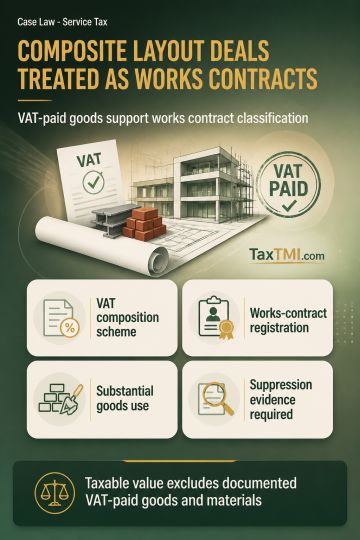
Works contract classification governs composite layout-development contracts where VAT-paid goods are transferred alongside construction and infrastru...
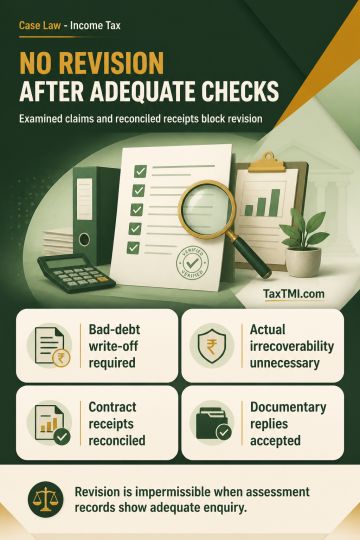
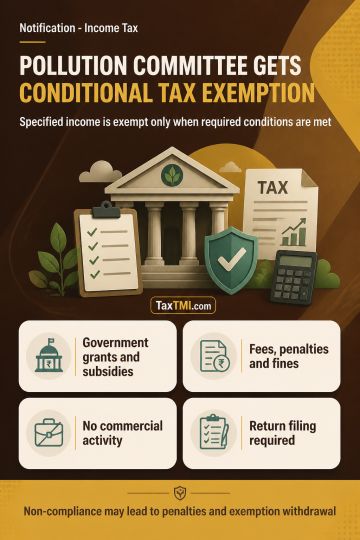
Specified income tax exemption for pollution control body remains conditional on non-commercial activity, unchanged income character, and return filin...
The appellant challenged the demand of customs duty and penalties imposed on the grounds of alleged clandestine clearance of short found goods from their factory premises. The Tribunal held that the Revenue failed to provide corroborative evidence or conduct proper investigation from the transporter and buyer to establish the clandestine removal. Relying solely on the statement of the appellant's director without cross-examination is not sustainable. The burden of proof lies on the Revenue to establish their case beyond doubt with sufficient evidence. As the Revenue failed to discharge this burden effectively, the demand was set aside, and the appeal was allowed.
The appellant challenged the demand of customs duty and penalties imposed on the grounds of alleged clandestine clearance of short found goods from their factory premises. The Tribunal held that the Revenue failed to provide corroborative evidence or conduct proper investigation from the transporter and buyer to establish the clandestine removal. Relying solely on the statement of the appellant's director without cross-examination is not sustainable. The burden of proof lies on the Revenue to establish their case beyond doubt with sufficient evidence. As the Revenue failed to discharge this burden effectively, the demand was set aside, and the appeal was allowed.
Note: It is a system-generated summary and is for quick reference only.
 TaxTMI
 of 4805
















 Join Channel


 TaxTMI