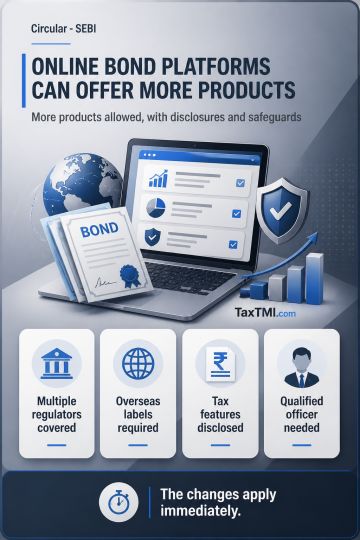
Online bond platforms may offer overseas-regulated products and tax-specific bonds subject to disclosures, compliance safeguards and revised complianc...
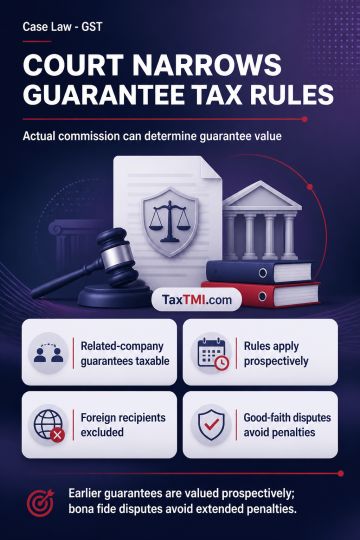
Corporate guarantee valuation permits actual ascertainable commission while barring retroactive application and extended-period penalties for bona fid...
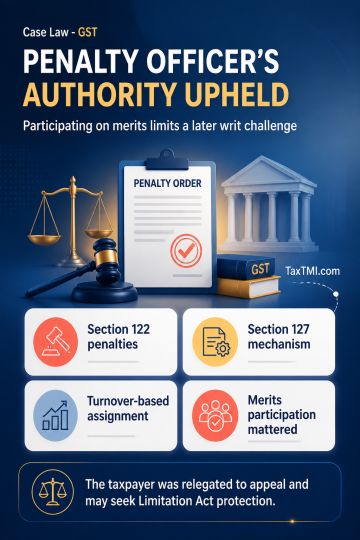
Proper-officer jurisdiction under UPGST penalty provisions upheld; participation on merits prevents bypassing the statutory appellate remedy through w...
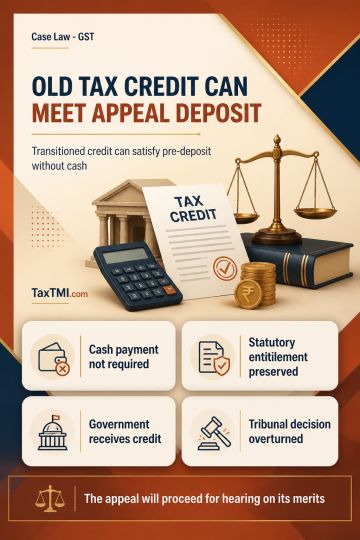
Transitioned CENVAT credit may validly satisfy mandatory pre-deposit requirements for legacy service tax appeals through Electronic Credit Ledger debi...
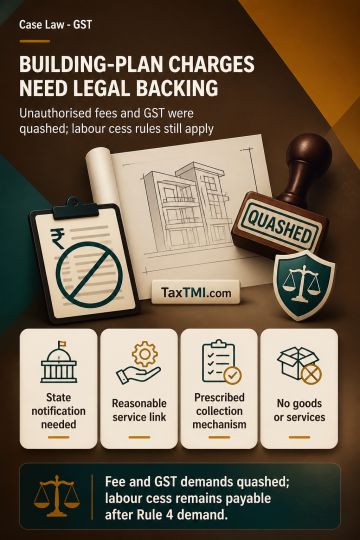
Building-plan sanction charges require statutory authority; unauthorised fees and GST were quashed, while labour cess must follow prescribed collectio...
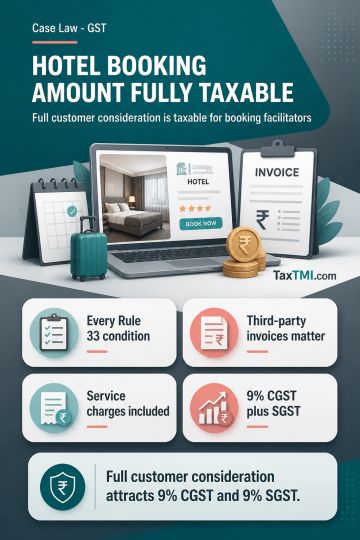
Pure-agent exclusion fails where hotel booking facilitators receive third-party services themselves, making entire customer consideration taxable as r...
The CESTAT held that the order of suspension of the appellant's Customs Broker license was passed after the expiry of the prescribed limitation period, violating Regulation 20(2) of CBLR 2013. However, the legality of the suspension order could not be decided as the challenged order was the revocation dated 12.02.2015. The gravity of the alleged offense did not warrant revocation, which is disproportionate punishment. The appellant must have suffered enough financially, acting as a deterrent. Permanent revocation would adversely impact the appellant's family and employees. The appeal was partly allowed, ordering re-issuance of the Customs Broker License subject to procedural requirements, while upholding the forfeiture of the security deposit.
The CESTAT held that the order of suspension of the appellant's Customs Broker license was passed after the expiry of the prescribed limitation period, violating Regulation 20(2) of CBLR 2013. However, the legality of the suspension order could not be decided as the challenged order was the revocation dated 12.02.2015. The gravity of the alleged offense did not warrant revocation, which is disproportionate punishment. The appellant must have suffered enough financially, acting as a deterrent. Permanent revocation would adversely impact the appellant's family and employees. The appeal was partly allowed, ordering re-issuance of the Customs Broker License subject to procedural requirements, while upholding the forfeiture of the security deposit.
Note: It is a system-generated summary and is for quick reference only.
 TaxTMI
 of 4800





 Join Channel


 TaxTMI