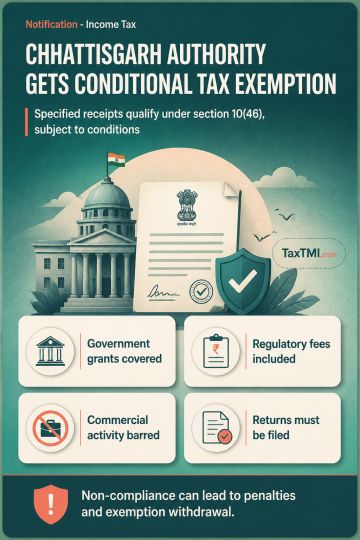
Specified regulatory authority income receives conditional tax exemption, subject to non-commercial activity, unchanged income character, and return f...
Tax exemption for regulatory authority income applies retrospectively, subject to non-commercial activity, unchanged income sources, and return-filing...
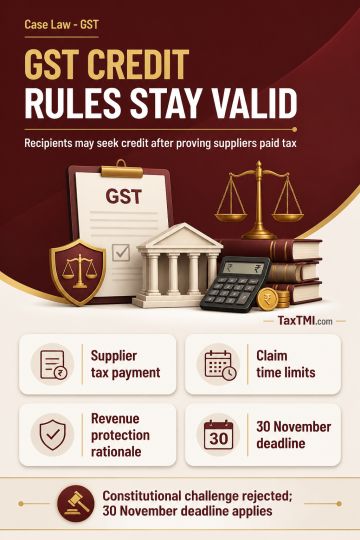
Input tax credit conditions remain constitutionally valid, with eligible recipient claims considered under GST circulars and retrospective filing dead...
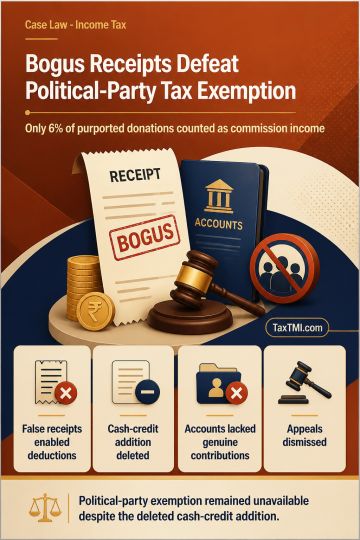
Bogus donation receipts justified commission income assessment and defeated political-party tax exemption for inaccurate accounts and reporting failur...
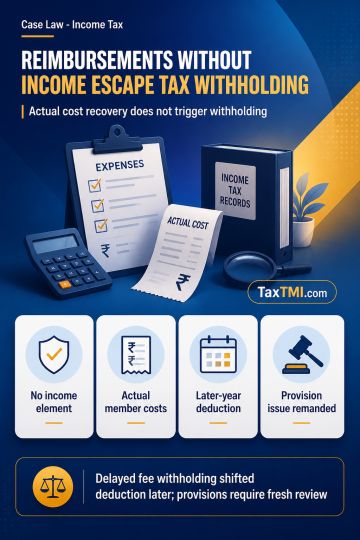
Pure reimbursement without income element escapes tax withholding, while delayed withholding and unsupported provisions face deferred or renewed scrut...
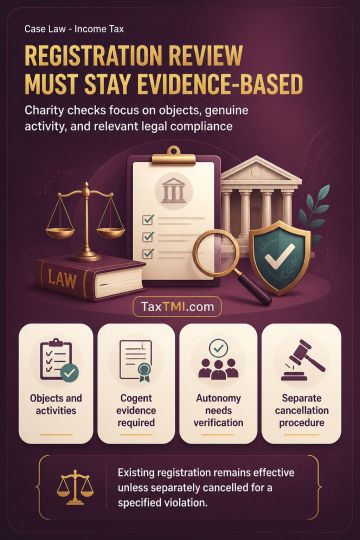
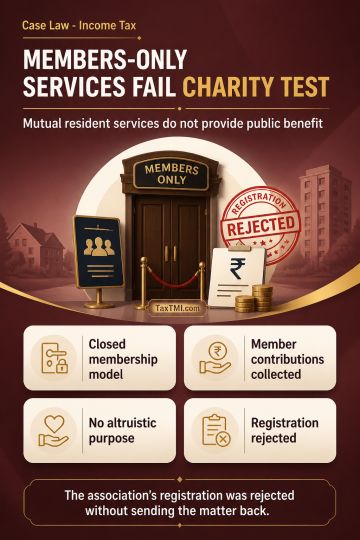
Public benefit requirement defeats charitable registration where residents' association services are reciprocal, member-only facilities governed by mu...
The CESTAT held that the order of suspension of the appellant's Customs Broker license was passed after the expiry of the prescribed limitation period, violating Regulation 20(2) of CBLR 2013. However, the legality of the suspension order could not be decided as the challenged order was the revocation dated 12.02.2015. The gravity of the alleged offense did not warrant revocation, which is disproportionate punishment. The appellant must have suffered enough financially, acting as a deterrent. Permanent revocation would adversely impact the appellant's family and employees. The appeal was partly allowed, ordering re-issuance of the Customs Broker License subject to procedural requirements, while upholding the forfeiture of the security deposit.
The CESTAT held that the order of suspension of the appellant's Customs Broker license was passed after the expiry of the prescribed limitation period, violating Regulation 20(2) of CBLR 2013. However, the legality of the suspension order could not be decided as the challenged order was the revocation dated 12.02.2015. The gravity of the alleged offense did not warrant revocation, which is disproportionate punishment. The appellant must have suffered enough financially, acting as a deterrent. Permanent revocation would adversely impact the appellant's family and employees. The appeal was partly allowed, ordering re-issuance of the Customs Broker License subject to procedural requirements, while upholding the forfeiture of the security deposit.
Note: It is a system-generated summary and is for quick reference only.
 TaxTMI
 of 4805





 Join Channel


 TaxTMI