Pre-existing operational debt disputes require genuine evidence, while undirected running-account payments may be appropriated on a first-in-first-out...
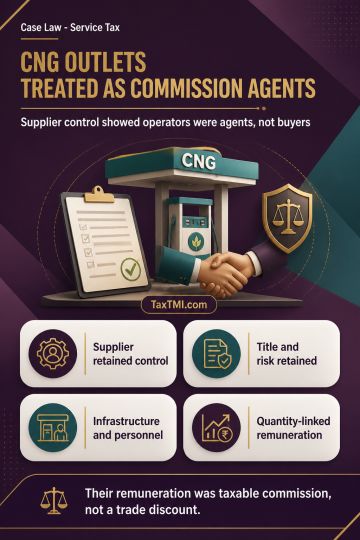
Agency in CNG distribution makes outlet operators commission agents, rendering taxable Business Auxiliary Service rather than purchasing goods for res...
Composite inpatient healthcare supply may retain exemption despite MRP medicine billing, while separate taxable sale characterisation remains disputed...
The crux of the matter revolves around allegations of oppression, mismanagement, illegal sale of company land, allotment of equity shares, appointment and removal of directors, and the legality of extraordinary general meetings and resolutions. The key findings are: the sale of land parcels at a lower price, though below market value, does not constitute oppression or mismanagement as the company urgently required funds, and the petitioner had consented to the sale price. The lease deed with Padmavatahi Ispat, though signed, was never executed and subsequently cancelled, hence not amounting to oppression. The allotment of 17,29,000 equity shares to respondents is held to be legal and valid. The acts of respondents are not prejudicial or oppressive to petitioners, nor are the company's affairs conducted prejudicially. Consequently, the petition lacks merit and is dismissed by the Tribunal.
The crux of the matter revolves around allegations of oppression, mismanagement, illegal sale of company land, allotment of equity shares, appointment and removal of directors, and the legality of extraordinary general meetings and resolutions. The key findings are: the sale of land parcels at a lower price, though below market value, does not constitute oppression or mismanagement as the company urgently required funds, and the petitioner had consented to the sale price. The lease deed with Padmavatahi Ispat, though signed, was never executed and subsequently cancelled, hence not amounting to oppression. The allotment of 17,29,000 equity shares to respondents is held to be legal and valid. The acts of respondents are not prejudicial or oppressive to petitioners, nor are the company's affairs conducted prejudicially. Consequently, the petition lacks merit and is dismissed by the Tribunal.
Note: It is a system-generated summary and is for quick reference only.
 TaxTMI
 of 4805














 Join Channel


 TaxTMI
