Charitable trust income application permits verified capital expenditure but rejects deferred pre-operative claims and requires reconsideration of con...
Reinsurance premium deductions require established regulatory breaches, while independently acquired software qualifies within the computer depreciati...
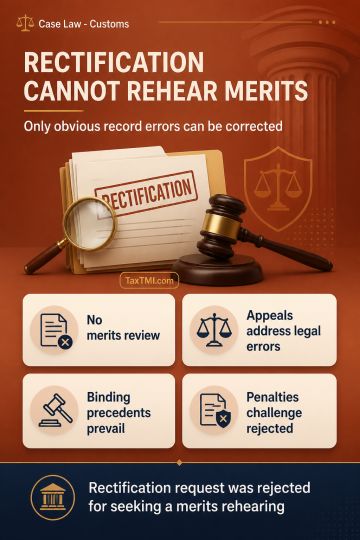
Rectification of mistake remains limited to self-evident record errors, preventing merits review through miscellaneous applications and preserving fin...
Tender creditworthiness conditions may extend to de facto Promoter Directors, with post-participation challenges generally barred absent arbitrariness...
Corporate representation in PMLA summons proceedings permitted through an authorised signatory, subject to directors' continuing cooperation and atten...
The crux of the matter revolves around allegations of oppression, mismanagement, illegal sale of company land, allotment of equity shares, appointment and removal of directors, and the legality of extraordinary general meetings and resolutions. The key findings are: the sale of land parcels at a lower price, though below market value, does not constitute oppression or mismanagement as the company urgently required funds, and the petitioner had consented to the sale price. The lease deed with Padmavatahi Ispat, though signed, was never executed and subsequently cancelled, hence not amounting to oppression. The allotment of 17,29,000 equity shares to respondents is held to be legal and valid. The acts of respondents are not prejudicial or oppressive to petitioners, nor are the company's affairs conducted prejudicially. Consequently, the petition lacks merit and is dismissed by the Tribunal.
The crux of the matter revolves around allegations of oppression, mismanagement, illegal sale of company land, allotment of equity shares, appointment and removal of directors, and the legality of extraordinary general meetings and resolutions. The key findings are: the sale of land parcels at a lower price, though below market value, does not constitute oppression or mismanagement as the company urgently required funds, and the petitioner had consented to the sale price. The lease deed with Padmavatahi Ispat, though signed, was never executed and subsequently cancelled, hence not amounting to oppression. The allotment of 17,29,000 equity shares to respondents is held to be legal and valid. The acts of respondents are not prejudicial or oppressive to petitioners, nor are the company's affairs conducted prejudicially. Consequently, the petition lacks merit and is dismissed by the Tribunal.
Note: It is a system-generated summary and is for quick reference only.
 TaxTMI
 of 4805

















 Join Channel


 TaxTMI
