Interactive touchscreen panels with integrated computing functions fall under automatic data-processing machines rather than display monitors for cust...
Ex parte injunction service requirements were substantially met, while civil recovery and SFIO investigation into provident fund defalcation continued...
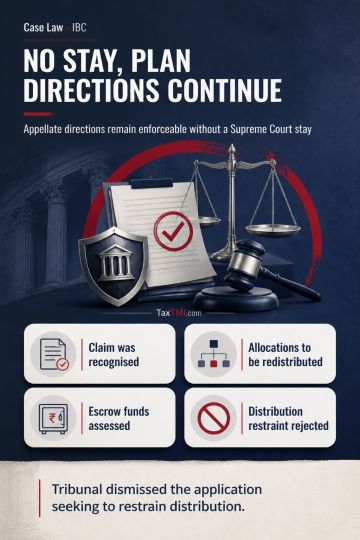
Enforcement of resolution-plan directions continues without a Supreme Court stay, preventing suspension of redistribution and escrowed-fund distributi...
Third-party ownership claims over attached property require Special Court adjudication where purchasers lack registered sale deeds and bona fides rema...
Pure-agent reimbursements in clearing and forwarding services are excluded from taxable value when qualifying third-party payments are properly record...
Customs relief for Strait of Hormuz maritime disruptions remains available, with existing conditions continuing unchanged through the extended validit...
The crux of the matter revolves around allegations of oppression, mismanagement, illegal sale of company land, allotment of equity shares, appointment and removal of directors, and the legality of extraordinary general meetings and resolutions. The key findings are: the sale of land parcels at a lower price, though below market value, does not constitute oppression or mismanagement as the company urgently required funds, and the petitioner had consented to the sale price. The lease deed with Padmavatahi Ispat, though signed, was never executed and subsequently cancelled, hence not amounting to oppression. The allotment of 17,29,000 equity shares to respondents is held to be legal and valid. The acts of respondents are not prejudicial or oppressive to petitioners, nor are the company's affairs conducted prejudicially. Consequently, the petition lacks merit and is dismissed by the Tribunal.
The crux of the matter revolves around allegations of oppression, mismanagement, illegal sale of company land, allotment of equity shares, appointment and removal of directors, and the legality of extraordinary general meetings and resolutions. The key findings are: the sale of land parcels at a lower price, though below market value, does not constitute oppression or mismanagement as the company urgently required funds, and the petitioner had consented to the sale price. The lease deed with Padmavatahi Ispat, though signed, was never executed and subsequently cancelled, hence not amounting to oppression. The allotment of 17,29,000 equity shares to respondents is held to be legal and valid. The acts of respondents are not prejudicial or oppressive to petitioners, nor are the company's affairs conducted prejudicially. Consequently, the petition lacks merit and is dismissed by the Tribunal.
Note: It is a system-generated summary and is for quick reference only.
 TaxTMI
 of 4803
















 Join Channel


 TaxTMI