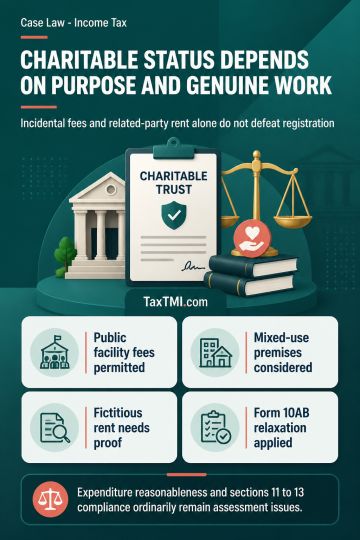
Charitable registration turns on predominant purpose and genuine activities, while incidental fees and related-party rent require supporting adverse m...
MAT book-profit adjustments exclude disallowances for exempt-income expenditure and demerger expenditure unless expressly listed under the statutory c...
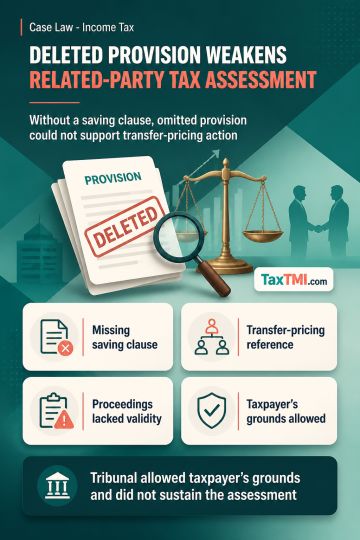
Omitted specified domestic transaction provision invalidates related-party expenditure transfer-pricing references and assessments based on consequent...
The crux of the matter revolves around allegations of oppression, mismanagement, illegal sale of company land, allotment of equity shares, appointment and removal of directors, and the legality of extraordinary general meetings and resolutions. The key findings are: the sale of land parcels at a lower price, though below market value, does not constitute oppression or mismanagement as the company urgently required funds, and the petitioner had consented to the sale price. The lease deed with Padmavatahi Ispat, though signed, was never executed and subsequently cancelled, hence not amounting to oppression. The allotment of 17,29,000 equity shares to respondents is held to be legal and valid. The acts of respondents are not prejudicial or oppressive to petitioners, nor are the company's affairs conducted prejudicially. Consequently, the petition lacks merit and is dismissed by the Tribunal.
The crux of the matter revolves around allegations of oppression, mismanagement, illegal sale of company land, allotment of equity shares, appointment and removal of directors, and the legality of extraordinary general meetings and resolutions. The key findings are: the sale of land parcels at a lower price, though below market value, does not constitute oppression or mismanagement as the company urgently required funds, and the petitioner had consented to the sale price. The lease deed with Padmavatahi Ispat, though signed, was never executed and subsequently cancelled, hence not amounting to oppression. The allotment of 17,29,000 equity shares to respondents is held to be legal and valid. The acts of respondents are not prejudicial or oppressive to petitioners, nor are the company's affairs conducted prejudicially. Consequently, the petition lacks merit and is dismissed by the Tribunal.
Note: It is a system-generated summary and is for quick reference only.
 TaxTMI
 of 4801


















 Join Channel


 TaxTMI