Receipt of immovable property requires actual possession or enjoyment; redevelopment allotments exchanged for tenancy rights fall outside deemed incom...
Section 80P deduction covers Souharda credit societies, including qualifying surplus-deposit interest, subject to member KYC verification for cash dep...
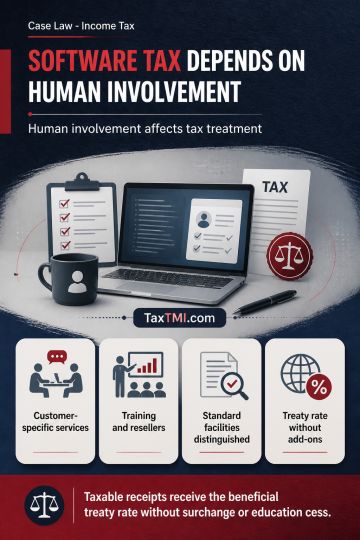
Transfer-pricing benchmarking and capital-receipt principles sustained taxpayer relief, while unsupported property-advance write-offs remained disallo...
The petition alleges oppression and mismanagement by the company's majority shareholders against the petitioners, who were removed as directors through an Extraordinary General Meeting (EGM). The key points are: The burden is on the petitioners to prove oppressive conduct u/s 242. The EGM notice for removal complied with legal requirements, and the meeting was validly held. The majority shareholders' decision to remove directors cannot be judicially scrutinized as it is part of corporate democracy. Mere inconvenience caused by the legal process doesn't negate its validity. Oppression requires continuous wrongful acts by the majority against the minority, not just lack of confidence. The petitioners failed to prove mismanagement or likelihood of future prejudicial conduct due to the change in management. Consequently, the petition was dismissed for lack of evidence of oppression or mismanagement.
The petition alleges oppression and mismanagement by the company's majority shareholders against the petitioners, who were removed as directors through an Extraordinary General Meeting (EGM). The key points are: The burden is on the petitioners to prove oppressive conduct u/s 242. The EGM notice for removal complied with legal requirements, and the meeting was validly held. The majority shareholders' decision to remove directors cannot be judicially scrutinized as it is part of corporate democracy. Mere inconvenience caused by the legal process doesn't negate its validity. Oppression requires continuous wrongful acts by the majority against the minority, not just lack of confidence. The petitioners failed to prove mismanagement or likelihood of future prejudicial conduct due to the change in management. Consequently, the petition was dismissed for lack of evidence of oppression or mismanagement.
Note: It is a system-generated summary and is for quick reference only.
 TaxTMI
 of 4805




















 Join Channel


 TaxTMI
