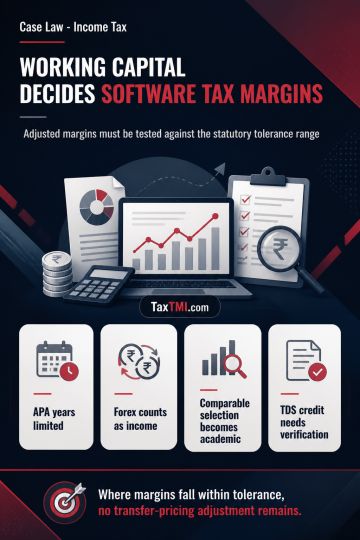
Working-capital adjustment determines whether software-services transfer-pricing margins fall within the statutory tolerance range, eliminating any ad...
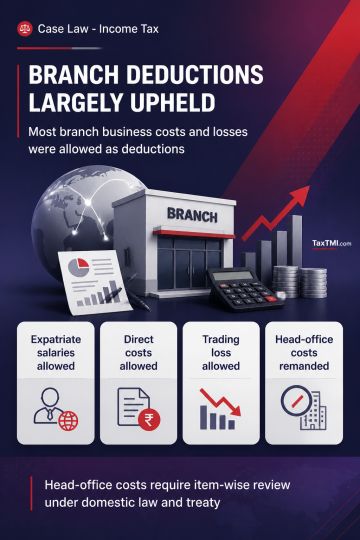
Permanent establishment deductions upheld for expatriate salaries, direct costs and trading losses, while head-office costs require fresh classificati...
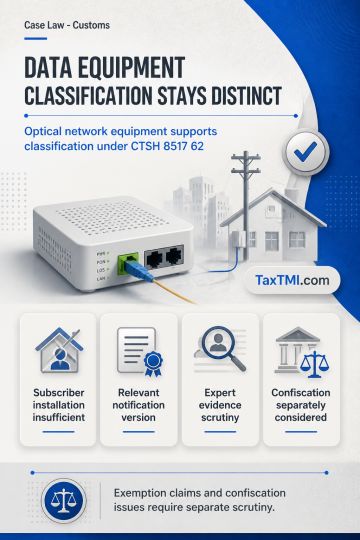
Data transmission equipment classification under CTSH 8517 62 remains distinct from residual classification, with exemption evidence requiring scrutin...
The petition filed u/s 213(b) of the Companies Act, 2013 alleged that the business of the respondent companies was being conducted with intent to defraud creditors, members, or others, or for fraudulent or unlawful purposes, or oppressively. However, the averments were not supported by material documents to substantiate such allegations. The documents filed failed to corroborate the allegations of fraudulent or unlawful conduct by the respondent company. The petitioner failed to make a prima facie case u/s 213(b). Consequently, the tribunal dismissed the petition in limine for lack of sufficient evidence to warrant appointing an inspector to investigate the respondent companies' affairs.
The petition filed u/s 213(b) of the Companies Act, 2013 alleged that the business of the respondent companies was being conducted with intent to defraud creditors, members, or others, or for fraudulent or unlawful purposes, or oppressively. However, the averments were not supported by material documents to substantiate such allegations. The documents filed failed to corroborate the allegations of fraudulent or unlawful conduct by the respondent company. The petitioner failed to make a prima facie case u/s 213(b). Consequently, the tribunal dismissed the petition in limine for lack of sufficient evidence to warrant appointing an inspector to investigate the respondent companies' affairs.
Note: It is a system-generated summary and is for quick reference only.
 TaxTMI
 of 4805












 Join Channel


 TaxTMI