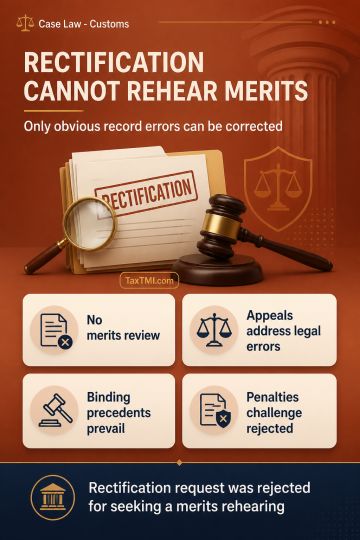
Rectification of mistake remains limited to self-evident record errors, preventing merits review through miscellaneous applications and preserving fin...
Tender creditworthiness conditions may extend to de facto Promoter Directors, with post-participation challenges generally barred absent arbitrariness...
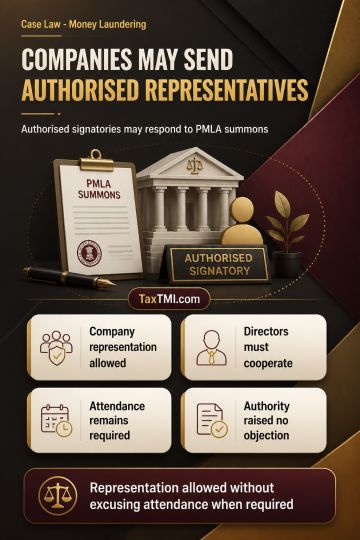
Corporate representation in PMLA summons proceedings permitted through an authorised signatory, subject to directors' continuing cooperation and atten...
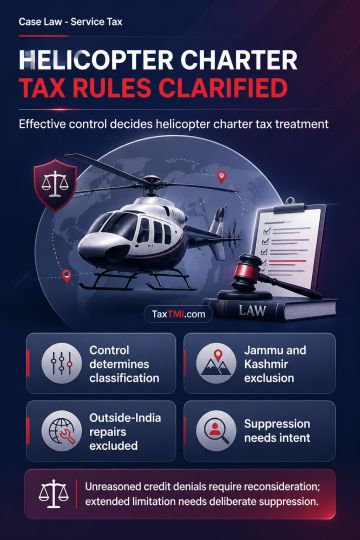
Helicopter charter classification requires effective control analysis, while territorial performance, reasoned credit orders and wilful suppression de...
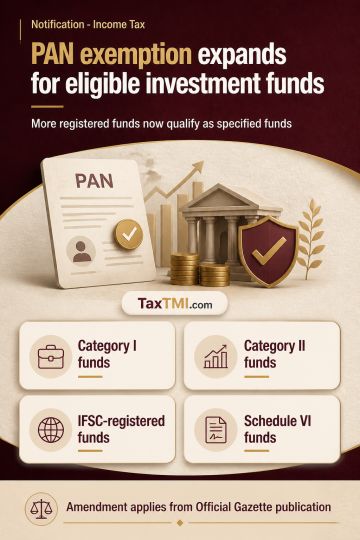
Specified fund definition expands PAN exemption eligibility for registered alternative investment funds and qualifying International Financial Service...
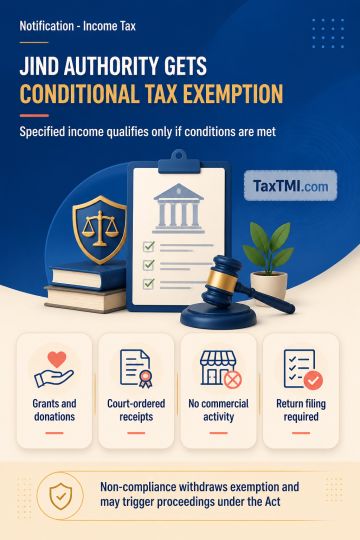
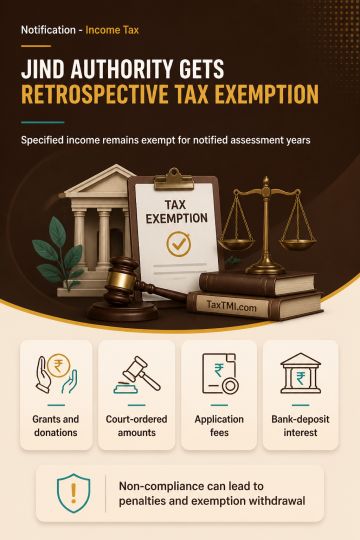
Tax exemption for specified legal-services authority income applies retrospectively, subject to non-commercial activity, unchanged income sources, and...
The petitioner, a contractor enrolled under the GST Act, 2017, had his GSTN registration canceled due to non-filing of returns for six months. Despite claiming to have handed over documents to an accountant, the petitioner failed to file an appeal within the statutory 90-day period due to being unaware of the proceedings. The court held that the Bombay High Court had previously ruled that the limitation period should not be an issue in registration cancellation cases as it does not adversely affect the state's rights. The GST Act aims to promote trade, and denying registration affects the petitioner's livelihood under Article 21. Small entrepreneurs may struggle with technology, so the GST department should amend provisions, convey notices via SMS and regional languages, and relax rules to avoid stifling small businesses. The writ petitions were disposed of.
The petitioner, a contractor enrolled under the GST Act, 2017, had his GSTN registration canceled due to non-filing of returns for six months. Despite claiming to have handed over documents to an accountant, the petitioner failed to file an appeal within the statutory 90-day period due to being unaware of the proceedings. The court held that the Bombay High Court had previously ruled that the limitation period should not be an issue in registration cancellation cases as it does not adversely affect the state's rights. The GST Act aims to promote trade, and denying registration affects the petitioner's livelihood under Article 21. Small entrepreneurs may struggle with technology, so the GST department should amend provisions, convey notices via SMS and regional languages, and relax rules to avoid stifling small businesses. The writ petitions were disposed of.
Note: It is a system-generated summary and is for quick reference only.
 TaxTMI
 of 4790









 Join Channel


 TaxTMI