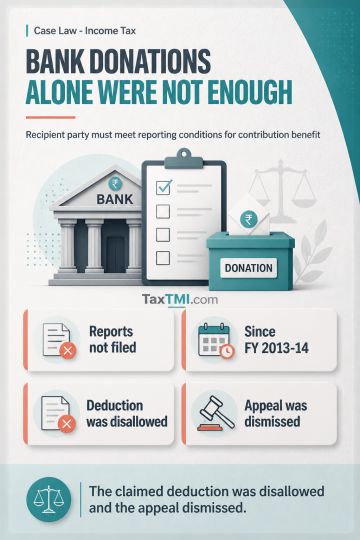
Political contribution deductions require recipient party compliance with contribution-reporting conditions; banking-channel donations alone do not qu...
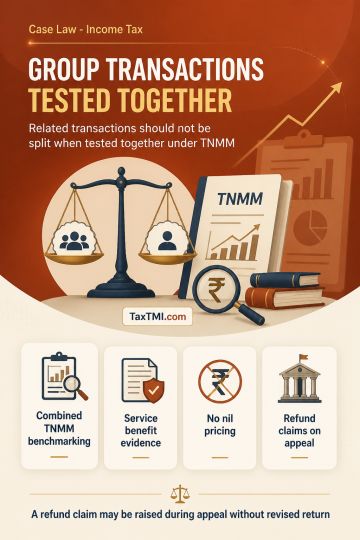
Aggregation under TNMM prevents selective testing of intra-group services without comparable uncontrolled transactions, while appellate additional cla...
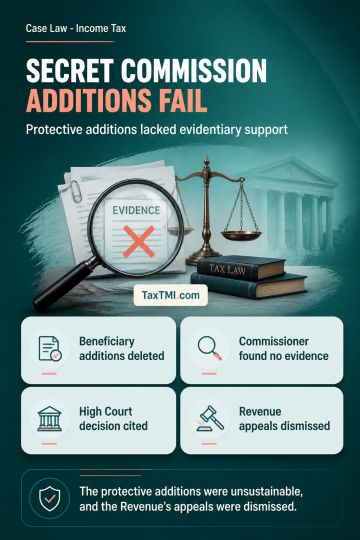
Protective assessment cannot duplicate identical receipts under competing characterisations; remote services did not establish a taxable permanent est...
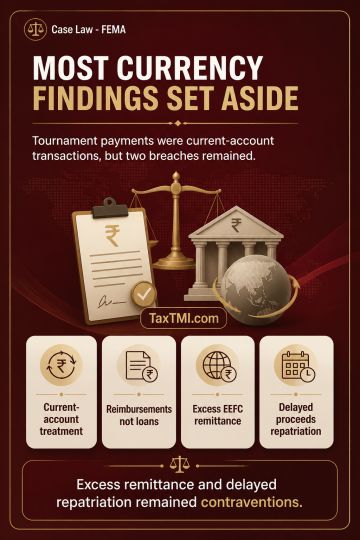
Current account treatment of overseas tournament services removed most FEMA findings, but excess EEFC remittance and delayed repatriation remained bre...
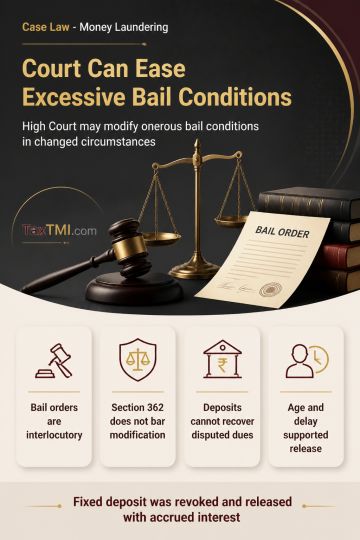
Modification of bail conditions remains available through inherent jurisdiction where onerous deposits undermine justice and cannot recover disputed d...
Merchant banker regulation consolidates registration, governance, capital, reporting, outsourcing and investor-protection requirements under an update...
The petitioner, a contractor enrolled under the GST Act, 2017, had his GSTN registration canceled due to non-filing of returns for six months. Despite claiming to have handed over documents to an accountant, the petitioner failed to file an appeal within the statutory 90-day period due to being unaware of the proceedings. The court held that the Bombay High Court had previously ruled that the limitation period should not be an issue in registration cancellation cases as it does not adversely affect the state's rights. The GST Act aims to promote trade, and denying registration affects the petitioner's livelihood under Article 21. Small entrepreneurs may struggle with technology, so the GST department should amend provisions, convey notices via SMS and regional languages, and relax rules to avoid stifling small businesses. The writ petitions were disposed of.
The petitioner, a contractor enrolled under the GST Act, 2017, had his GSTN registration canceled due to non-filing of returns for six months. Despite claiming to have handed over documents to an accountant, the petitioner failed to file an appeal within the statutory 90-day period due to being unaware of the proceedings. The court held that the Bombay High Court had previously ruled that the limitation period should not be an issue in registration cancellation cases as it does not adversely affect the state's rights. The GST Act aims to promote trade, and denying registration affects the petitioner's livelihood under Article 21. Small entrepreneurs may struggle with technology, so the GST department should amend provisions, convey notices via SMS and regional languages, and relax rules to avoid stifling small businesses. The writ petitions were disposed of.
Note: It is a system-generated summary and is for quick reference only.
 TaxTMI
 of 4782












 Join Channel


 TaxTMI