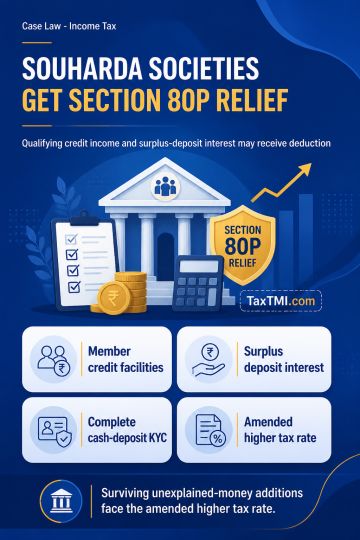
Section 80P deduction covers Souharda credit societies, including qualifying surplus-deposit interest, subject to member KYC verification for cash dep...
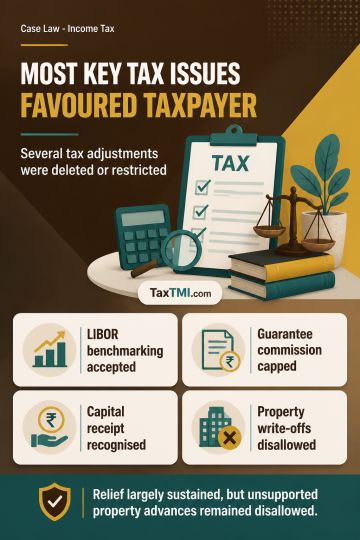
Transfer-pricing benchmarking and capital-receipt principles sustained taxpayer relief, while unsupported property-advance write-offs remained disallo...
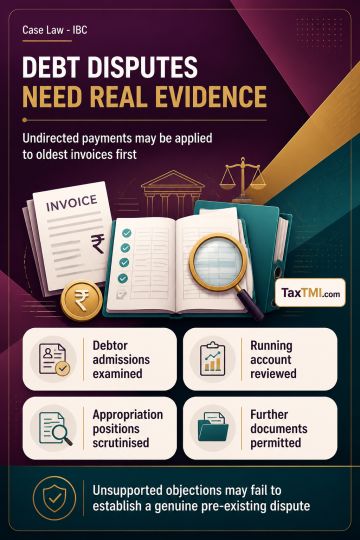
Pre-existing operational debt disputes require genuine evidence, while undirected running-account payments may be appropriated on a first-in-first-out...
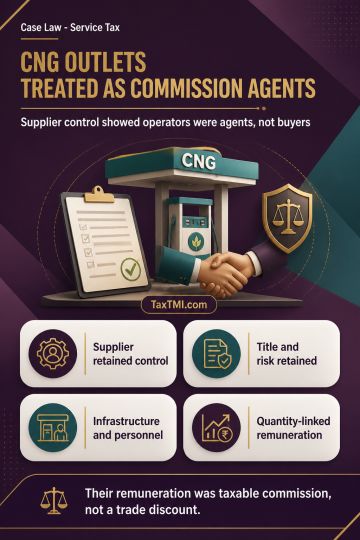
Agency in CNG distribution makes outlet operators commission agents, rendering taxable Business Auxiliary Service rather than purchasing goods for res...
This is a summary of a court judgment regarding the interpretation of Rule 86A of the Central Goods and Services Tax (CGST) Rules, which deals with the blocking of input tax credit (ITC). The key points are: Input tax credit is a statutory right subject to conditions under the CGST Act. Rule 86A empowers tax authorities to block debit from a taxpayer's electronic credit ledger (ECL) if there is reason to believe the ITC was availed fraudulently or is ineligible. However, the blocking can only be done to the extent of ITC available in the ECL at that time, not exceeding it. The court held that Rule 86A is a drastic power for temporary protection of revenue interests, not for recovery of dues. The words "credit available in the ECL" plainly refer to the credit presently available, not previously availed and utilized ITC. If the tainted ITC is less than the ECL credit, the blocking must be limited to that amount. Authorities must follow procedures u/ss 73/74 of the CGST Act to determine wrongful availment and demand tax, interest or penalty. Rule 86A cannot require replenishing the ECL for past utilization of allegedly inadmissible ITC, as that would amount to recovery. The impugned orders exceeding the available ECL credit.
This is a summary of a court judgment regarding the interpretation of Rule 86A of the Central Goods and Services Tax (CGST) Rules, which deals with the blocking of input tax credit (ITC). The key points are: Input tax credit is a statutory right subject to conditions under the CGST Act. Rule 86A empowers tax authorities to block debit from a taxpayer's electronic credit ledger (ECL) if there is reason to believe the ITC was availed fraudulently or is ineligible. However, the blocking can only be done to the extent of ITC available in the ECL at that time, not exceeding it. The court held that Rule 86A is a drastic power for temporary protection of revenue interests, not for recovery of dues. The words "credit available in the ECL" plainly refer to the credit presently available, not previously availed and utilized ITC. If the tainted ITC is less than the ECL credit, the blocking must be limited to that amount. Authorities must follow procedures u/ss 73/74 of the CGST Act to determine wrongful availment and demand tax, interest or penalty. Rule 86A cannot require replenishing the ECL for past utilization of allegedly inadmissible ITC, as that would amount to recovery. The impugned orders exceeding the available ECL credit.
Note: It is a system-generated summary and is for quick reference only.
 TaxTMI
 of 4788






 Join Channel


 TaxTMI