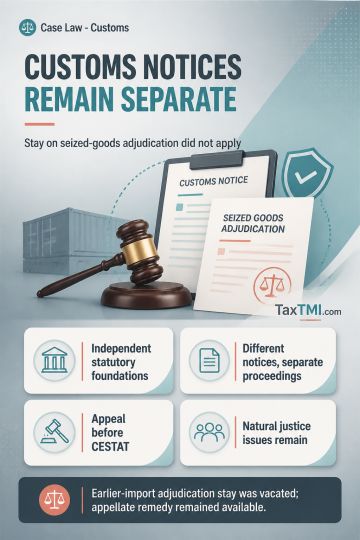
Independent show-cause notices remain separate proceedings, while customs adjudication challenges should ordinarily follow the statutory appellate rem...
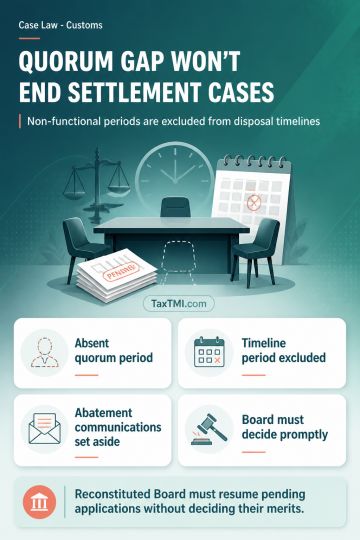
Institutional incapacity in customs settlement proceedings excludes non-functional quorum periods from statutory disposal timelines, preventing automa...
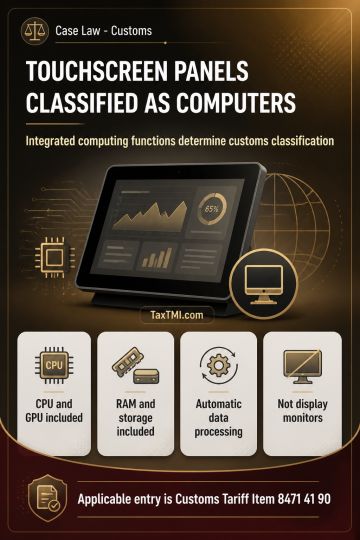
Interactive touchscreen panels with integrated computing functions fall under automatic data-processing machines rather than display monitors for cust...
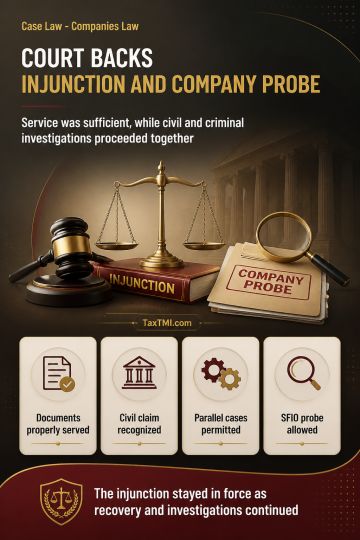
Ex parte injunction service requirements were substantially met, while civil recovery and SFIO investigation into provident fund defalcation continued...
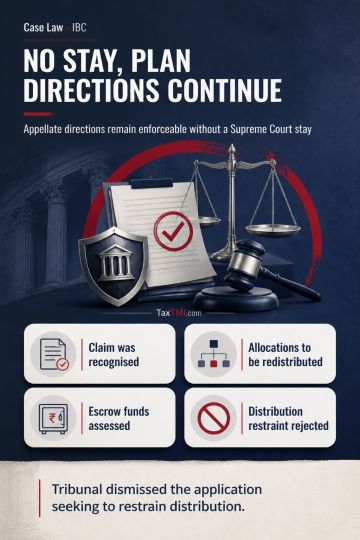
Enforcement of resolution-plan directions continues without a Supreme Court stay, preventing suspension of redistribution and escrowed-fund distributi...
Third-party ownership claims over attached property require Special Court adjudication where purchasers lack registered sale deeds and bona fides rema...
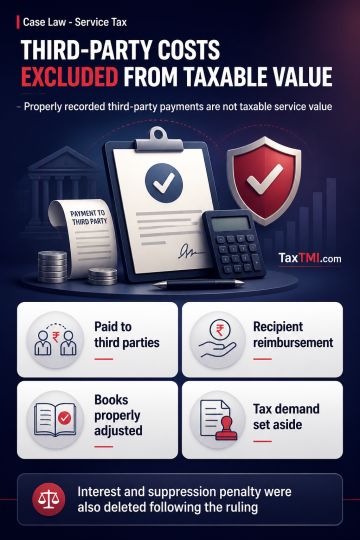
Pure-agent reimbursements in clearing and forwarding services are excluded from taxable value when qualifying third-party payments are properly record...
The mandate of Section 205 is clear that the assessee shall not be called upon to pay taxes himself to the extent tax has been deducted from the assessee's income. The object is that when the obligation to deposit tax is on the employer and the employer defaults, the liability cannot be shifted to the employee who is the beneficiary of the payment. The department foisted the liability on the petitioners without legal warrant, clearly violating Section 205. The impugned demand notices issued to the petitioners stand quashed and set aside for breaching Section 205. However, if there are other tax demands from the petitioners on any other count, those issues are kept open and not adjudicated.
The mandate of Section 205 is clear that the assessee shall not be called upon to pay taxes himself to the extent tax has been deducted from the assessee's income. The object is that when the obligation to deposit tax is on the employer and the employer defaults, the liability cannot be shifted to the employee who is the beneficiary of the payment. The department foisted the liability on the petitioners without legal warrant, clearly violating Section 205. The impugned demand notices issued to the petitioners stand quashed and set aside for breaching Section 205. However, if there are other tax demands from the petitioners on any other count, those issues are kept open and not adjudicated.
Note: It is a system-generated summary and is for quick reference only.
 TaxTMI
 of 4782









 Join Channel


 TaxTMI
