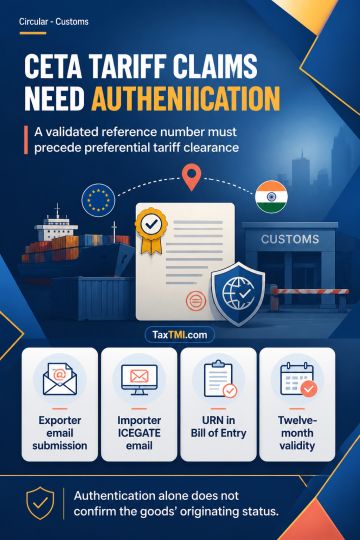
Origin Declaration authentication governs preferential tariff claims under India-UK CETA, requiring a validated reference number before import clearan...
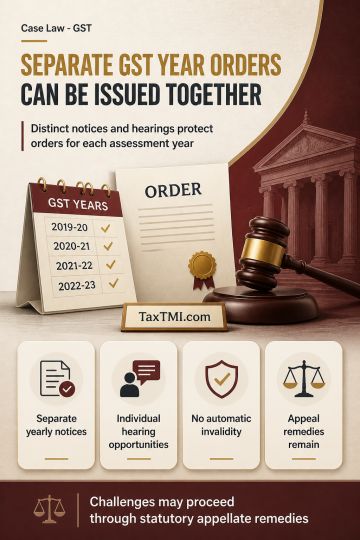
Separate assessment orders for different years remain valid when distinct notices and hearing opportunities prevent prejudice from combined proceeding...
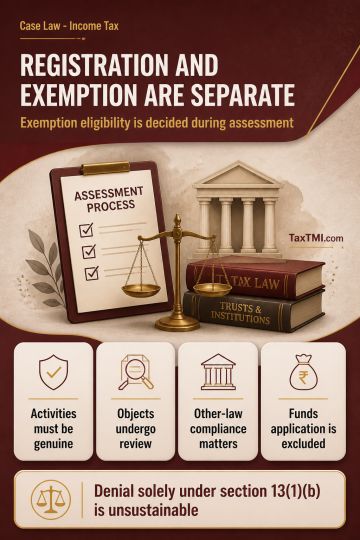
Defined public benefit can retain charitable character; registration renewal requires examining genuine activities and legal compliance, not surplus a...
Capital reduction is distinct from share buy-back, preventing buy-back tax; restructuring interest and related business deductions also survive scruti...
The appeal challenges the liability to pay stamp duty and penalty on agreements executed prior to the sale deed for two properties. The court determined the real intention from the instrument's contents and language. Section 4(1) states that where multiple instruments complete a transaction, the principal instrument alone is chargeable with the highest duty prescribed in Schedule I. The proviso allows parties to determine the principal instrument themselves. In this case, although the agreements mentioned conveyance and the sale deed followed, the properties' value exceeded Rs.100, and possession was handed over on the agreement date, implying acquisition of possessory rights u/s 53A of the Transfer of Property Act, requiring proper stamp duty and registration u/s 17 of the Registration Act. The subsequent sale deed does not absolve the liability to pay appropriate stamp duty on the agreements, which were the principal documents under Explanation I of Article 25 of Schedule-I of the Act. The trial court rightly impounded the documents and directed adjudication of stamp duty and penalty by the Collector. The High Court correctly held no interference was warranted. The Supreme Court affirmed the orders and dismissed the appeal.
The appeal challenges the liability to pay stamp duty and penalty on agreements executed prior to the sale deed for two properties. The court determined the real intention from the instrument's contents and language. Section 4(1) states that where multiple instruments complete a transaction, the principal instrument alone is chargeable with the highest duty prescribed in Schedule I. The proviso allows parties to determine the principal instrument themselves. In this case, although the agreements mentioned conveyance and the sale deed followed, the properties' value exceeded Rs.100, and possession was handed over on the agreement date, implying acquisition of possessory rights u/s 53A of the Transfer of Property Act, requiring proper stamp duty and registration u/s 17 of the Registration Act. The subsequent sale deed does not absolve the liability to pay appropriate stamp duty on the agreements, which were the principal documents under Explanation I of Article 25 of Schedule-I of the Act. The trial court rightly impounded the documents and directed adjudication of stamp duty and penalty by the Collector. The High Court correctly held no interference was warranted. The Supreme Court affirmed the orders and dismissed the appeal.
Note: It is a system-generated summary and is for quick reference only.
 TaxTMI
 of 4803











 Join Channel


 TaxTMI
