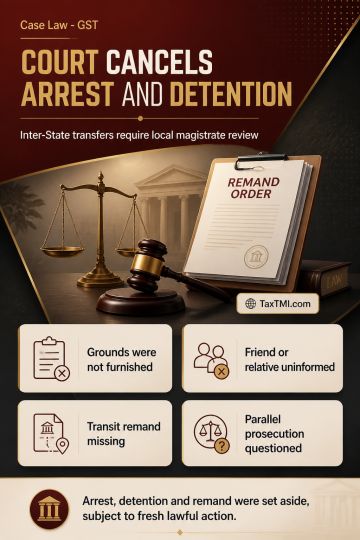
Arrest safeguards and transit remand requirements invalidated detention following inter-State transfer without communicated grounds or magistrate auth...
Arrest safeguards require disclosed grounds, relative intimation and transit remand, while duplicate prosecution under the CGST framework is unsustain...
Document Identification Number defects can invalidate GST assessments, with delayed challenges entertained conditionally where patent irregularities e...
Windmill commissioning evidence supported higher depreciation where grid connection and electricity generation proved operational use before the relev...
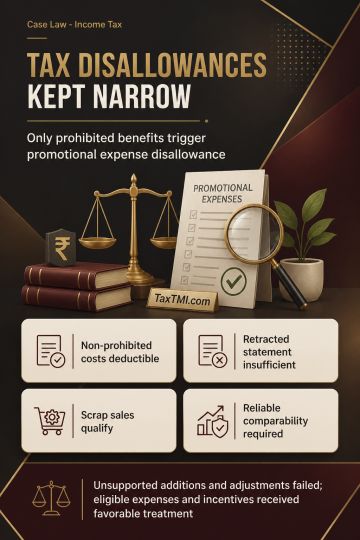
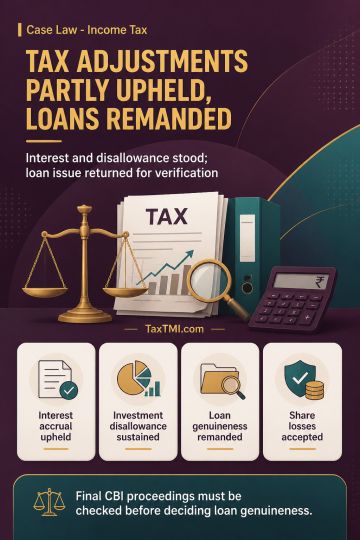
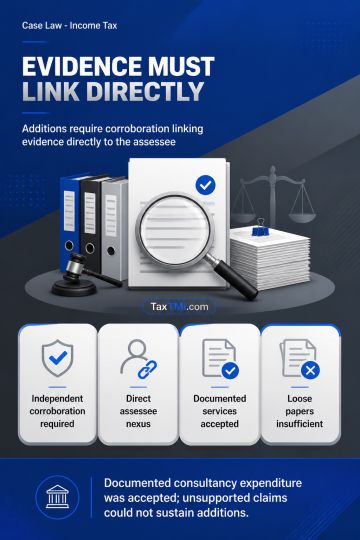
Pharmaceutical promotion and transfer-pricing comparability principles limited disallowances, while uncorroborated search allegations and unsupported ...
Business expenditure substantiation supports scrap credits, statutory payments and expense claims, while depreciation requires proof of actual busines...
The appeal challenges the liability to pay stamp duty and penalty on agreements executed prior to the sale deed for two properties. The court determined the real intention from the instrument's contents and language. Section 4(1) states that where multiple instruments complete a transaction, the principal instrument alone is chargeable with the highest duty prescribed in Schedule I. The proviso allows parties to determine the principal instrument themselves. In this case, although the agreements mentioned conveyance and the sale deed followed, the properties' value exceeded Rs.100, and possession was handed over on the agreement date, implying acquisition of possessory rights u/s 53A of the Transfer of Property Act, requiring proper stamp duty and registration u/s 17 of the Registration Act. The subsequent sale deed does not absolve the liability to pay appropriate stamp duty on the agreements, which were the principal documents under Explanation I of Article 25 of Schedule-I of the Act. The trial court rightly impounded the documents and directed adjudication of stamp duty and penalty by the Collector. The High Court correctly held no interference was warranted. The Supreme Court affirmed the orders and dismissed the appeal.
The appeal challenges the liability to pay stamp duty and penalty on agreements executed prior to the sale deed for two properties. The court determined the real intention from the instrument's contents and language. Section 4(1) states that where multiple instruments complete a transaction, the principal instrument alone is chargeable with the highest duty prescribed in Schedule I. The proviso allows parties to determine the principal instrument themselves. In this case, although the agreements mentioned conveyance and the sale deed followed, the properties' value exceeded Rs.100, and possession was handed over on the agreement date, implying acquisition of possessory rights u/s 53A of the Transfer of Property Act, requiring proper stamp duty and registration u/s 17 of the Registration Act. The subsequent sale deed does not absolve the liability to pay appropriate stamp duty on the agreements, which were the principal documents under Explanation I of Article 25 of Schedule-I of the Act. The trial court rightly impounded the documents and directed adjudication of stamp duty and penalty by the Collector. The High Court correctly held no interference was warranted. The Supreme Court affirmed the orders and dismissed the appeal.
Note: It is a system-generated summary and is for quick reference only.
 TaxTMI
 of 4792

















 Join Channel


 TaxTMI