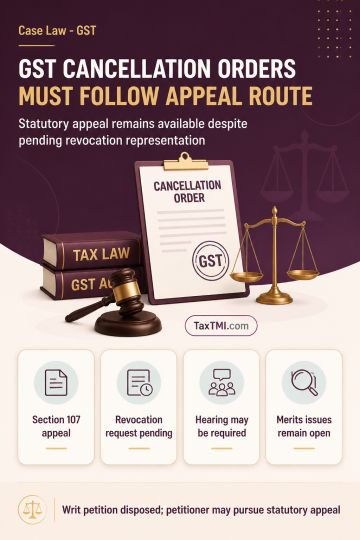
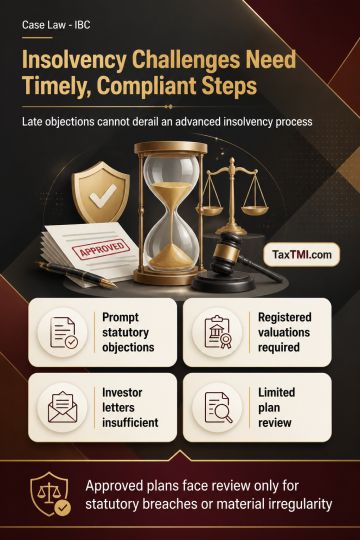
Clean slate principle extinguishes uncrystallised operational claims and bars continuation of pending recovery and arbitral proceedings after plan app...
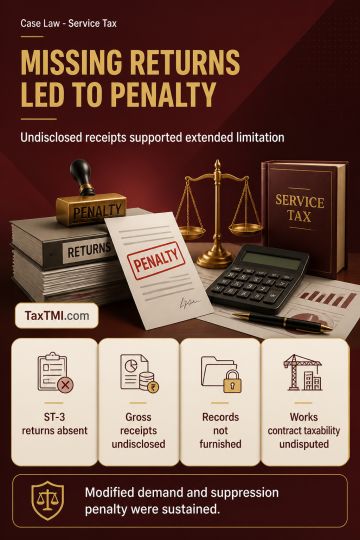
Works contract classification governs composite layout-development contracts where VAT-paid goods are transferred alongside construction and infrastru...
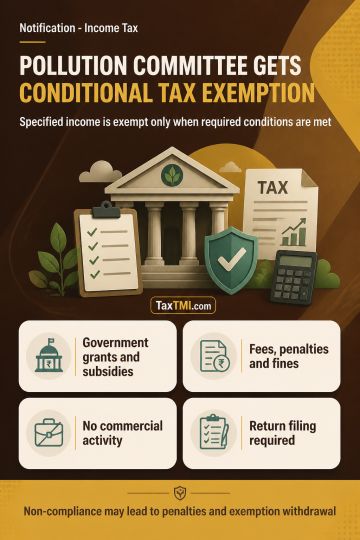
Specified income tax exemption for pollution control body remains conditional on non-commercial activity, unchanged income character, and return filin...
Jurisdictional facts in certificate-of-origin discrepancies can support customs show-cause proceedings, leaving factual explanations for departmental ...
The provisions of section 69A allow for additions if the assessee is found to be the owner of unrecorded money, bullion, jewelry, or valuable articles. However, when sales are duly recorded and supported by the books of account, additions cannot be made u/s 69A. The assessee's books were rejected, and profits were estimated at 10% on the money deposited in the bank account. The Assessing Officer made a trading addition without reducing the profit already reflected in the books. The tribunal directed the Assessing Officer to reduce the profit already declared by the assessee at 5.74% and consider the remaining 4.26% as a trading addition. Regarding section 145(3), once the books of account are rejected based on detailed reasons, rejecting the method of accounting and stock valuation is not necessary. The assessee did not challenge the rejection of books, and the tribunal found no infirmity in the findings of the lower authorities.
The provisions of section 69A allow for additions if the assessee is found to be the owner of unrecorded money, bullion, jewelry, or valuable articles. However, when sales are duly recorded and supported by the books of account, additions cannot be made u/s 69A. The assessee's books were rejected, and profits were estimated at 10% on the money deposited in the bank account. The Assessing Officer made a trading addition without reducing the profit already reflected in the books. The tribunal directed the Assessing Officer to reduce the profit already declared by the assessee at 5.74% and consider the remaining 4.26% as a trading addition. Regarding section 145(3), once the books of account are rejected based on detailed reasons, rejecting the method of accounting and stock valuation is not necessary. The assessee did not challenge the rejection of books, and the tribunal found no infirmity in the findings of the lower authorities.
Note: It is a system-generated summary and is for quick reference only.
 TaxTMI
 of 4798











 Join Channel


 TaxTMI