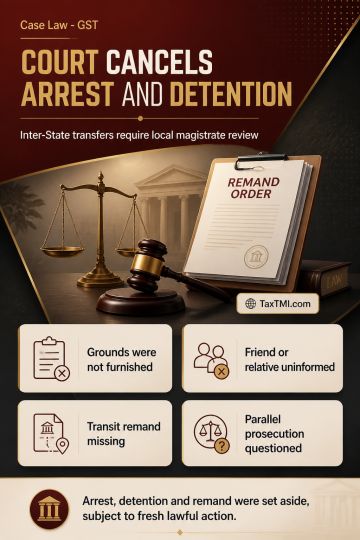
Arrest safeguards and transit remand requirements invalidated detention following inter-State transfer without communicated grounds or magistrate auth...
Arrest safeguards require disclosed grounds, relative intimation and transit remand, while duplicate prosecution under the CGST framework is unsustain...
Document Identification Number defects can invalidate GST assessments, with delayed challenges entertained conditionally where patent irregularities e...
Windmill commissioning evidence supported higher depreciation where grid connection and electricity generation proved operational use before the relev...
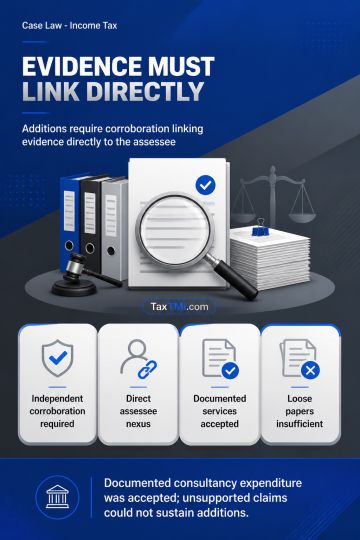
Pharmaceutical promotion and transfer-pricing comparability principles limited disallowances, while uncorroborated search allegations and unsupported ...
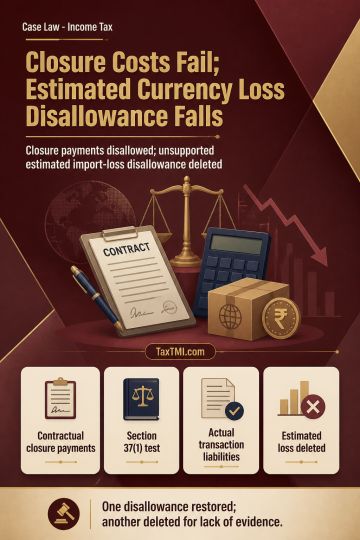
Business expenditure substantiation supports scrap credits, statutory payments and expense claims, while depreciation requires proof of actual busines...
Bail application dismissed in a case involving serious offences u/ss 420, 467, 471 of the Indian Penal Code and Section 45 of the Prevention of Money Laundering Act, 2002, related to the use of fake, forged, and fictitious documents to obtain holding numbers. The court held that while bail is generally the rule and jail the exception, socio-economic offences with deep-rooted conspiracies affecting societal moral fibre require a different approach. The accused's prolonged incarceration was deemed inconsequential given the gravity of the offence. The investigating agency's ongoing expedited trial process was also considered. Bail was granted to a purchaser protected u/s 54 of the Transfer of Property Act on different grounds. The court emphasized the need for a judicious exercise of discretion in granting or refusing bail based on the facts and circumstances of each case.
Bail application dismissed in a case involving serious offences u/ss 420, 467, 471 of the Indian Penal Code and Section 45 of the Prevention of Money Laundering Act, 2002, related to the use of fake, forged, and fictitious documents to obtain holding numbers. The court held that while bail is generally the rule and jail the exception, socio-economic offences with deep-rooted conspiracies affecting societal moral fibre require a different approach. The accused's prolonged incarceration was deemed inconsequential given the gravity of the offence. The investigating agency's ongoing expedited trial process was also considered. Bail was granted to a purchaser protected u/s 54 of the Transfer of Property Act on different grounds. The court emphasized the need for a judicious exercise of discretion in granting or refusing bail based on the facts and circumstances of each case.
Note: It is a system-generated summary and is for quick reference only.
 TaxTMI
 of 4792



















 Join Channel


 TaxTMI