TNMM functional comparability requires excluding rice manufacturers from a pure Basmati rice trader's benchmark and recognising operating export recei...
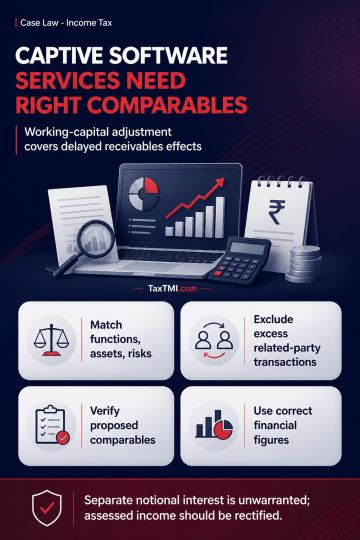
Working-capital adjustment subsumes delayed-receivable effects in TNMM benchmarking of captive software-development services, avoiding separate notion...
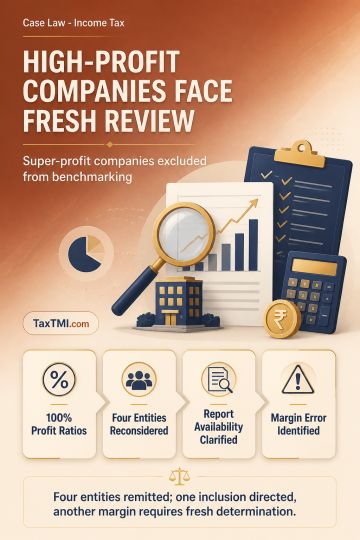
Transfer-pricing comparability requires exclusion of financially illogical super-profit comparables and correction of unsupported annual-report and ma...
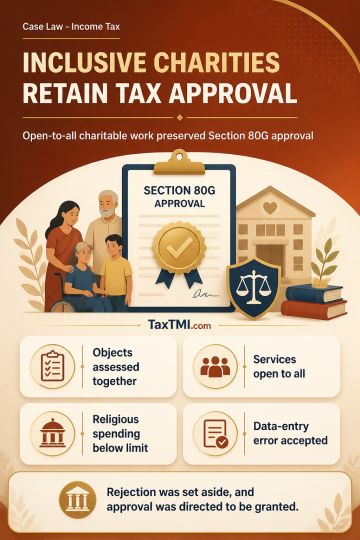
Charitable character assessment preserves Section 80G approval despite inclusive spiritual teachings and incidental religious expenditure within the s...
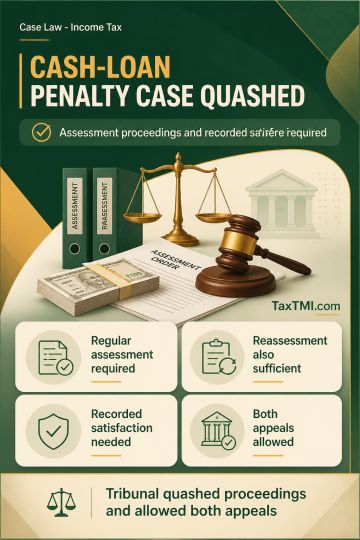
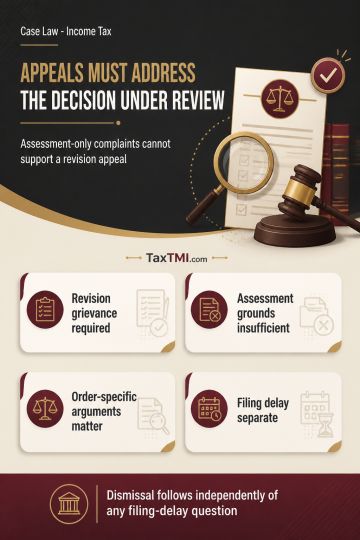
Penalty proceedings for cash-loan acceptance require assessment proceedings and recorded Assessing Officer satisfaction; absent these, the proceedings...
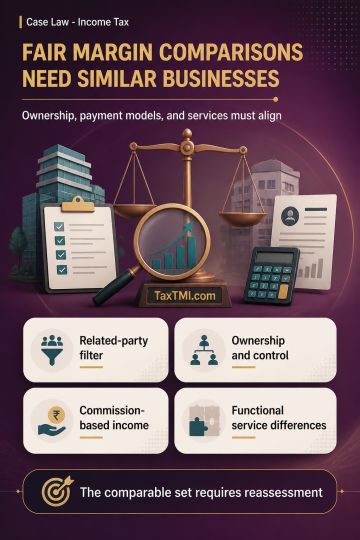
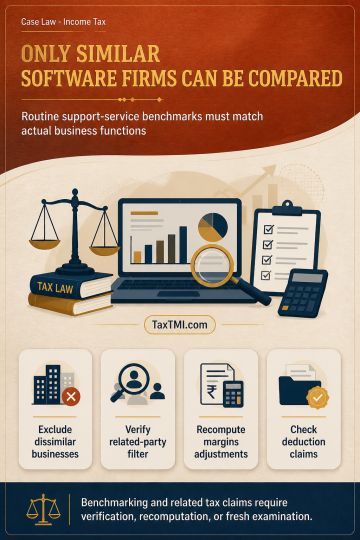
Functional comparability governs software-service benchmarking: dissimilar companies are excluded, while related-party filters, margins and working-ca...
In a case involving dishonor of a cheque, the prosecution successfully discharged its burden u/s 138 of the Negotiable Instruments Act. The sole respondent admitted to misusing signed cheques, but no evidence was presented to substantiate this claim. Consequently, the presumption favored the complainant that the cheque was issued by the accused for payment of existing dues. The trial court erroneously relied on lapses by the complainant to disbelieve the cheque's validity u/s 138 and wrongly concluded that the accused discharged the burden u/s 139 due to these lapses. The High Court overturned the acquittal, convicted the sole respondent u/s 138, and imposed a two-month simple imprisonment sentence along with a fine equal to the cheque amount plus 30% as compensation, payable within a month, failing which the amount would be recoverable according to prescribed law.
In a case involving dishonor of a cheque, the prosecution successfully discharged its burden u/s 138 of the Negotiable Instruments Act. The sole respondent admitted to misusing signed cheques, but no evidence was presented to substantiate this claim. Consequently, the presumption favored the complainant that the cheque was issued by the accused for payment of existing dues. The trial court erroneously relied on lapses by the complainant to disbelieve the cheque's validity u/s 138 and wrongly concluded that the accused discharged the burden u/s 139 due to these lapses. The High Court overturned the acquittal, convicted the sole respondent u/s 138, and imposed a two-month simple imprisonment sentence along with a fine equal to the cheque amount plus 30% as compensation, payable within a month, failing which the amount would be recoverable according to prescribed law.
Note: It is a system-generated summary and is for quick reference only.
 TaxTMI
  TaxTMI
 of 4830





 Join Channel


