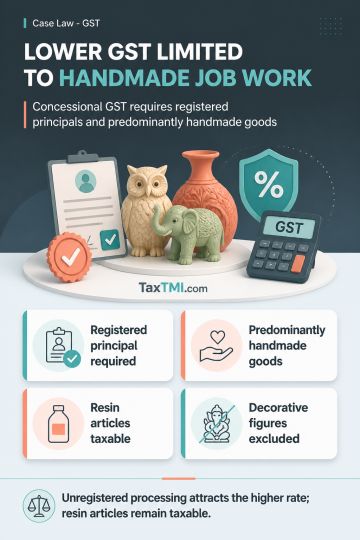
Handicraft job work receives concessional GST only for registered principals and predominantly handmade goods; commercial resin articles remain taxabl...
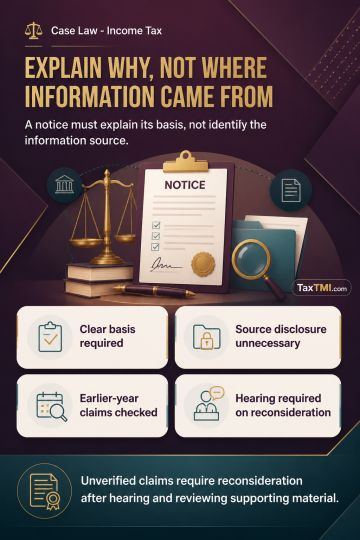
Reassessment disclosure requirements permit stated reasons without revealing information sources, but prior-taxation claims require full examination b...
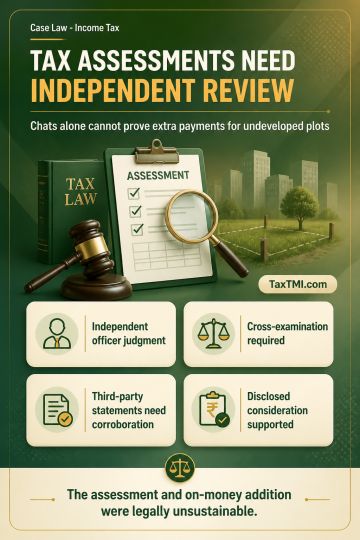
Independent assessment discretion and corroborated electronic evidence determine validity of on-money additions and undisclosed-consideration assessme...
The key points are: misdeclaration of goods by the importer cannot render the Customs House Agent (CHA) vicariously liable for penalty u/s 112(a) of the Customs Act 1962. To impose penalty, there must be a positive act or omission by the CHA rendering the goods liable for confiscation. Mere abetment by the CHA's employees is insufficient without evidence of illegal acts. The Tribunal's decision in Rajesh Maikhuri's case supports this view. Consequently, the penalty imposed on the appellant CHA is unsustainable and set aside.
The key points are: misdeclaration of goods by the importer cannot render the Customs House Agent (CHA) vicariously liable for penalty u/s 112(a) of the Customs Act 1962. To impose penalty, there must be a positive act or omission by the CHA rendering the goods liable for confiscation. Mere abetment by the CHA's employees is insufficient without evidence of illegal acts. The Tribunal's decision in Rajesh Maikhuri's case supports this view. Consequently, the penalty imposed on the appellant CHA is unsustainable and set aside.
Note: It is a system-generated summary and is for quick reference only.
 TaxTMI
  TaxTMI
 of 4828






 Join Channel


