Transaction value cannot be rejected solely on non-statutory valuation guidelines without corroborative evidence supporting reassessment of final cust...
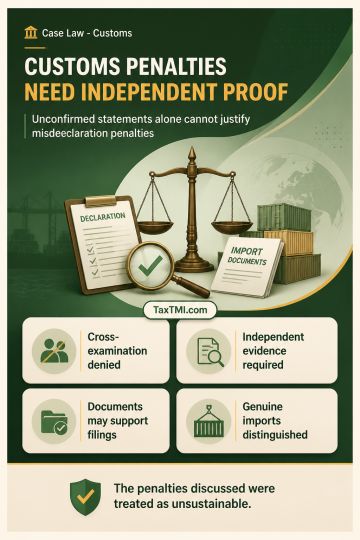
Cross-examination rights and corroborated evidence limit customs penalties for misdeclaration in genuine import transactions involving documented clea...
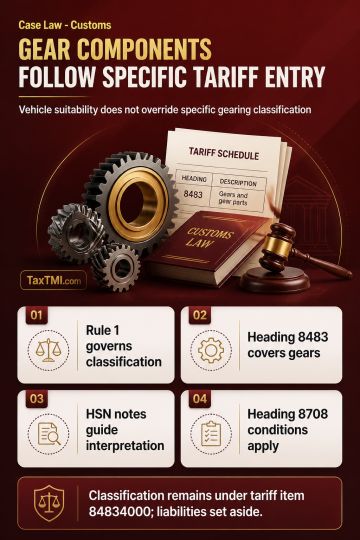
Tariff classification of vehicle gear components follows the specific gearing entry, displacing motor-vehicle parts classification and related liabili...
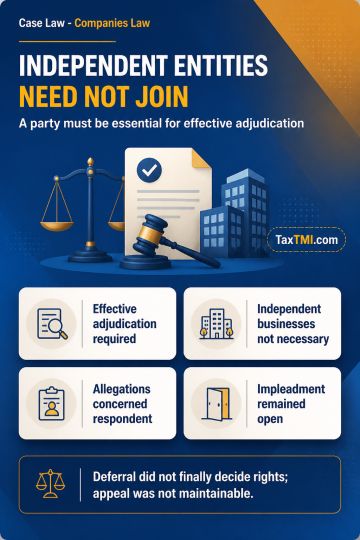
Necessary-party requirements limit impleadment of independent entities, while deferred consideration does not create an appealable adverse determinati...
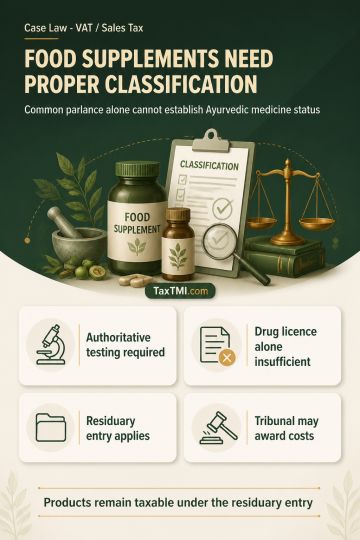
Food supplement classification requires common parlance and authoritative tests, preventing treatment as proprietary Ayurvedic medicines without suppo...
The petitioner failed to challenge the matter within statutory provisions and raised the constitutional validity of Section 29(2) under CGST and BGST Acts. The court found the decision in Rohit Enterprises persuasive but not binding. While the facts differed, the hardship was similar to a previous case where the constitutional guarantee to carry out trade and commerce was upheld. No valid ground was raised against the delay in filing an appeal, as Section 30 allows revocation of cancellation within 30 days. The court found no reason to exercise discretionary power or entertain the writ petition testing Section 29(2)'s constitutional validity, as the orders were within statutory boundaries. Consequently, the writ petition was dismissed.
The petitioner failed to challenge the matter within statutory provisions and raised the constitutional validity of Section 29(2) under CGST and BGST Acts. The court found the decision in Rohit Enterprises persuasive but not binding. While the facts differed, the hardship was similar to a previous case where the constitutional guarantee to carry out trade and commerce was upheld. No valid ground was raised against the delay in filing an appeal, as Section 30 allows revocation of cancellation within 30 days. The court found no reason to exercise discretionary power or entertain the writ petition testing Section 29(2)'s constitutional validity, as the orders were within statutory boundaries. Consequently, the writ petition was dismissed.
Note: It is a system-generated summary and is for quick reference only.
 TaxTMI
 of 4805








 Join Channel


 TaxTMI
