Specified fund definition expands PAN exemption eligibility for registered alternative investment funds and qualifying International Financial Service...
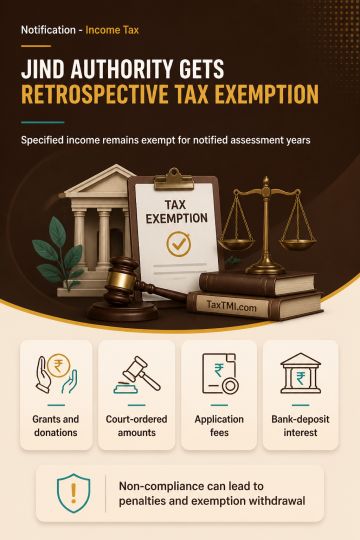
Tax exemption for specified legal-services authority income applies retrospectively, subject to non-commercial activity, unchanged income sources, and...
Approved resolution plans extinguish unsubmitted pre-approval tax claims, preventing later recovery outside the insolvency process and preserving a cl...
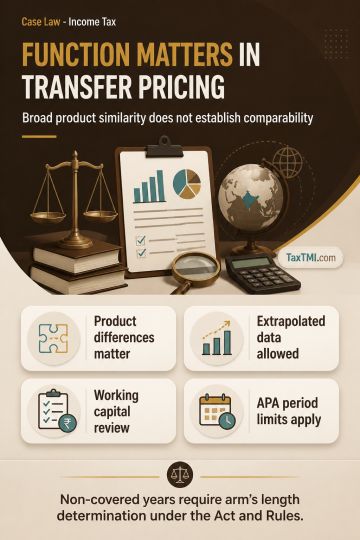
Transfer pricing comparability requires functional alignment and permits working capital adjustment, while APA margins cannot govern non-covered years...
The High Court held that the Assessing Officer cannot reopen the assessment u/s 147 merely based on a change of opinion. The assessee had fully and truly disclosed all material facts during the original assessment proceedings. The reasons recorded by the Assessing Officer for reopening the assessment did not reveal any fresh tangible material, indicating that the belief was formed based on a mere verification of records, resulting in a change of opinion. The Court emphasized the conceptual difference between the power to review and the power to reassess, stating that while the Assessing Officer lacks the power to review, reassessment must be based on fulfilling certain preconditions. Removing the concept of "change of opinion" would allow the Assessing Officer to review assessments under the guise of reopening, leading to potential abuse of power. The Court ruled in favor of the assessee, upholding the principle that a mere change of opinion cannot justify reassessment proceedings.
The High Court held that the Assessing Officer cannot reopen the assessment u/s 147 merely based on a change of opinion. The assessee had fully and truly disclosed all material facts during the original assessment proceedings. The reasons recorded by the Assessing Officer for reopening the assessment did not reveal any fresh tangible material, indicating that the belief was formed based on a mere verification of records, resulting in a change of opinion. The Court emphasized the conceptual difference between the power to review and the power to reassess, stating that while the Assessing Officer lacks the power to review, reassessment must be based on fulfilling certain preconditions. Removing the concept of "change of opinion" would allow the Assessing Officer to review assessments under the guise of reopening, leading to potential abuse of power. The Court ruled in favor of the assessee, upholding the principle that a mere change of opinion cannot justify reassessment proceedings.
Note: It is a system-generated summary and is for quick reference only.
 TaxTMI
 of 4796















 Join Channel


 TaxTMI