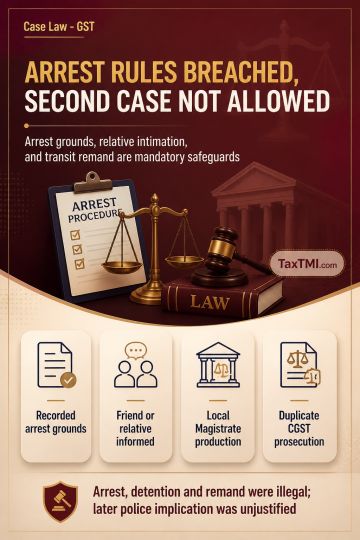
Arrest safeguards require disclosed grounds, relative intimation and transit remand, while duplicate prosecution under the CGST framework is unsustain...
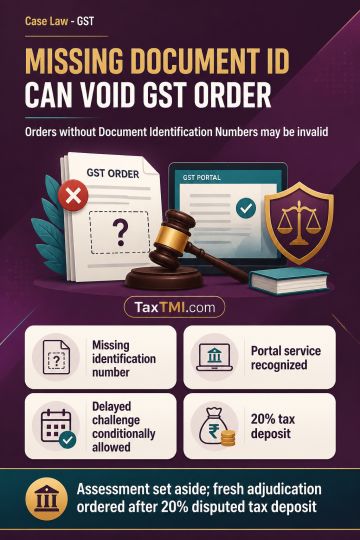
Document Identification Number defects can invalidate GST assessments, with delayed challenges entertained conditionally where patent irregularities e...
Windmill commissioning evidence supported higher depreciation where grid connection and electricity generation proved operational use before the relev...
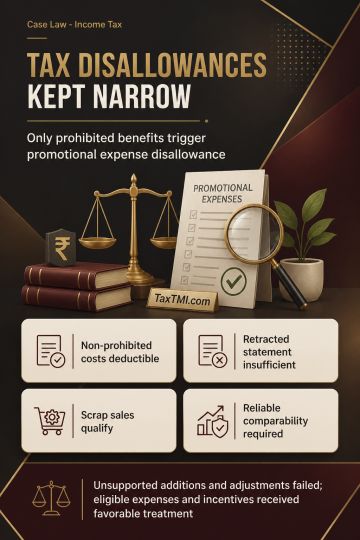
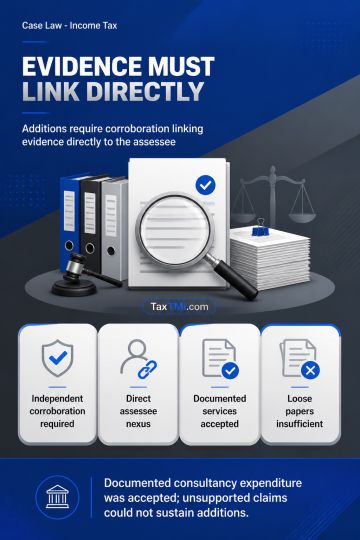
Pharmaceutical promotion and transfer-pricing comparability principles limited disallowances, while uncorroborated search allegations and unsupported ...
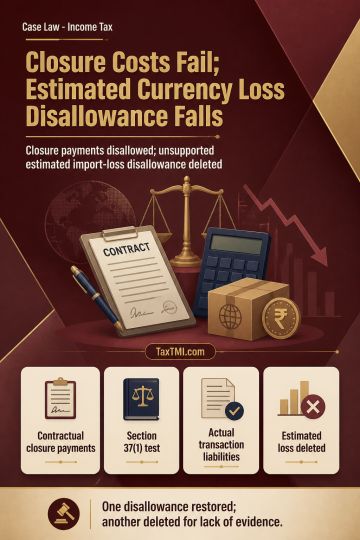
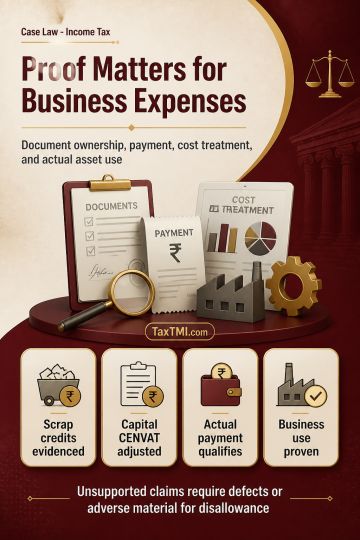
Business expenditure substantiation supports scrap credits, statutory payments and expense claims, while depreciation requires proof of actual busines...
The High Court held that the Assessing Officer cannot reopen the assessment u/s 147 merely based on a change of opinion. The assessee had fully and truly disclosed all material facts during the original assessment proceedings. The reasons recorded by the Assessing Officer for reopening the assessment did not reveal any fresh tangible material, indicating that the belief was formed based on a mere verification of records, resulting in a change of opinion. The Court emphasized the conceptual difference between the power to review and the power to reassess, stating that while the Assessing Officer lacks the power to review, reassessment must be based on fulfilling certain preconditions. Removing the concept of "change of opinion" would allow the Assessing Officer to review assessments under the guise of reopening, leading to potential abuse of power. The Court ruled in favor of the assessee, upholding the principle that a mere change of opinion cannot justify reassessment proceedings.
The High Court held that the Assessing Officer cannot reopen the assessment u/s 147 merely based on a change of opinion. The assessee had fully and truly disclosed all material facts during the original assessment proceedings. The reasons recorded by the Assessing Officer for reopening the assessment did not reveal any fresh tangible material, indicating that the belief was formed based on a mere verification of records, resulting in a change of opinion. The Court emphasized the conceptual difference between the power to review and the power to reassess, stating that while the Assessing Officer lacks the power to review, reassessment must be based on fulfilling certain preconditions. Removing the concept of "change of opinion" would allow the Assessing Officer to review assessments under the guise of reopening, leading to potential abuse of power. The Court ruled in favor of the assessee, upholding the principle that a mere change of opinion cannot justify reassessment proceedings.
Note: It is a system-generated summary and is for quick reference only.
 TaxTMI
 of 4794











 Join Channel


 TaxTMI