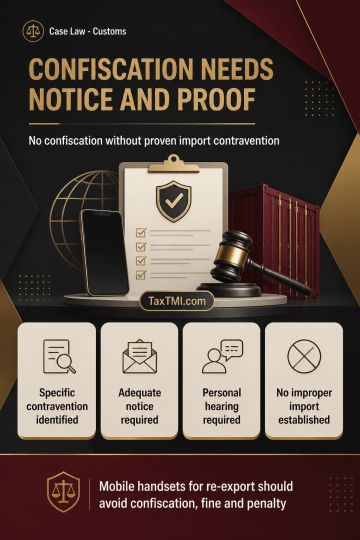
Arrest safeguards require disclosed grounds, relative intimation and transit remand, while duplicate prosecution under the CGST framework is unsustain...
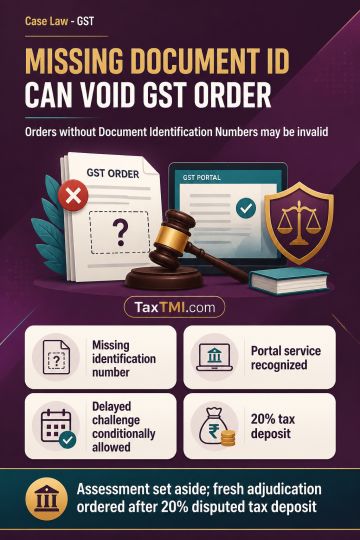
Document Identification Number defects can invalidate GST assessments, with delayed challenges entertained conditionally where patent irregularities e...
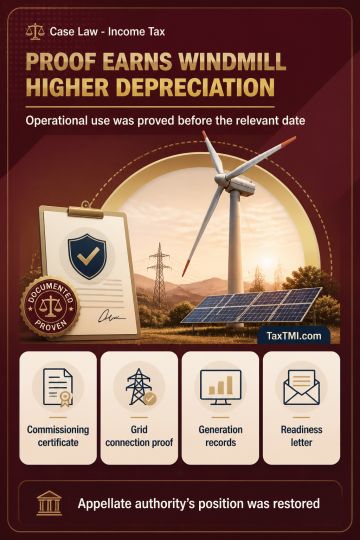
Windmill commissioning evidence supported higher depreciation where grid connection and electricity generation proved operational use before the relev...
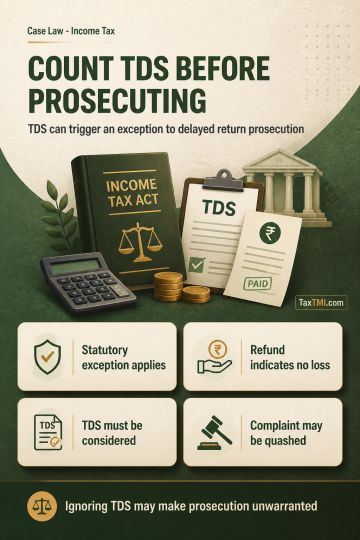
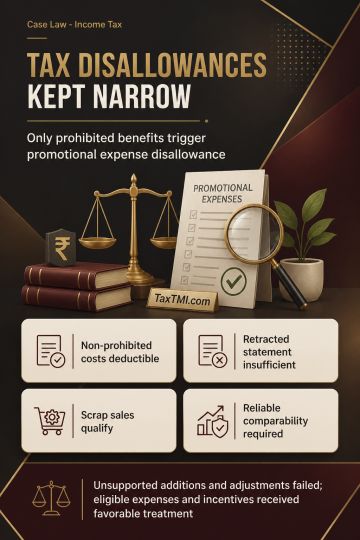
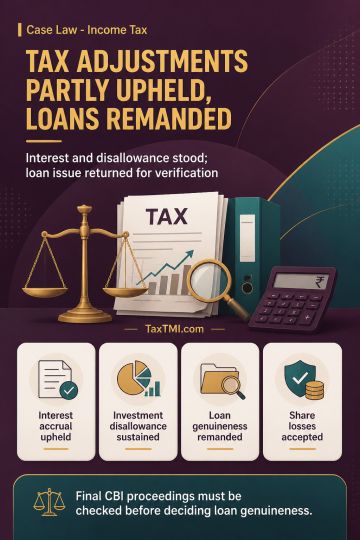
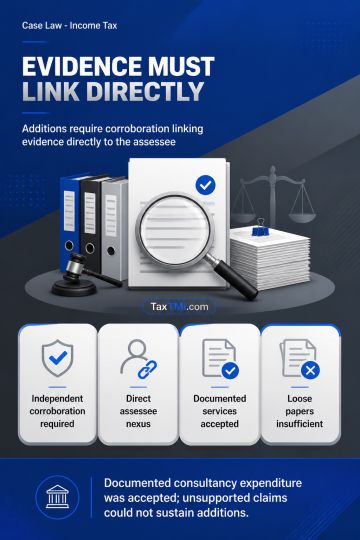
Pharmaceutical promotion and transfer-pricing comparability principles limited disallowances, while uncorroborated search allegations and unsupported ...
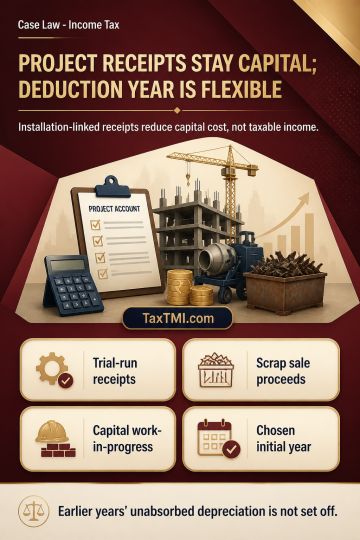
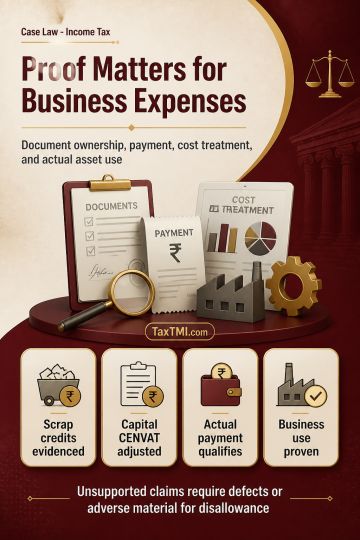
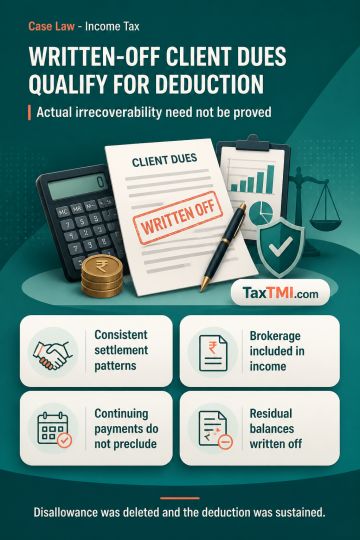
Business expenditure substantiation supports scrap credits, statutory payments and expense claims, while depreciation requires proof of actual busines...
This case deals with the accrual of income in India from exploration activities and the determination of whether the assessee has a Permanent Establishment (PE) in India under the India-Singapore DTAA. The key points are: The Assessing Officer treated the gross receipts attributed to the PE as deemed profits u/s 44BB and made an addition. The assessee contended that its operations were less than 183 days, covered under Article 5(5) of the DTAA, a special clause for exploration activities, rather than Article 5(1), the general PE clause. The Tribunal held that for specific activities defined in Article 5(5), the minimum period test of 183 days must be applied, and this specific activity-based article prevails over the general rule of Article 5(1). Since the assessee's activities were for less than 183 days, it did not have a PE in India under Article 5(5). Article 5(3) is an exception to Articles 5(1) and 5(2) and prevails as a specific provision. The Tribunal found merit in the assessee's appeal and deleted the addition made by the Assessing Officer.
This case deals with the accrual of income in India from exploration activities and the determination of whether the assessee has a Permanent Establishment (PE) in India under the India-Singapore DTAA. The key points are: The Assessing Officer treated the gross receipts attributed to the PE as deemed profits u/s 44BB and made an addition. The assessee contended that its operations were less than 183 days, covered under Article 5(5) of the DTAA, a special clause for exploration activities, rather than Article 5(1), the general PE clause. The Tribunal held that for specific activities defined in Article 5(5), the minimum period test of 183 days must be applied, and this specific activity-based article prevails over the general rule of Article 5(1). Since the assessee's activities were for less than 183 days, it did not have a PE in India under Article 5(5). Article 5(3) is an exception to Articles 5(1) and 5(2) and prevails as a specific provision. The Tribunal found merit in the assessee's appeal and deleted the addition made by the Assessing Officer.
Note: It is a system-generated summary and is for quick reference only.
 TaxTMI
 of 4794









 Join Channel


 TaxTMI