Specified regulatory authority income receives conditional tax exemption, subject to non-commercial activity, unchanged income character, and return f...
Tax exemption for regulatory authority income applies retrospectively, subject to non-commercial activity, unchanged income sources, and return-filing...
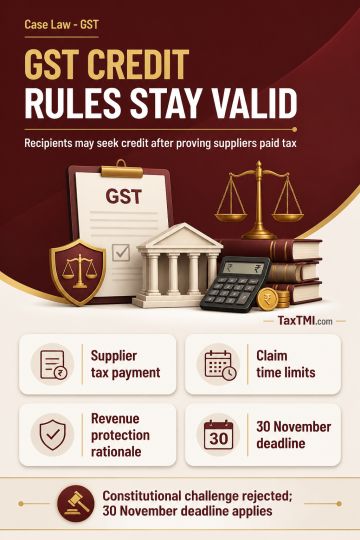
Input tax credit conditions remain constitutionally valid, with eligible recipient claims considered under GST circulars and retrospective filing dead...
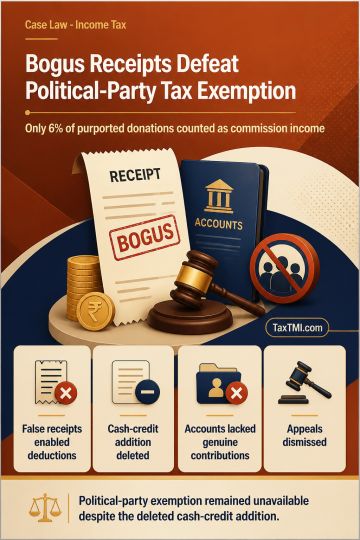
Bogus donation receipts justified commission income assessment and defeated political-party tax exemption for inaccurate accounts and reporting failur...
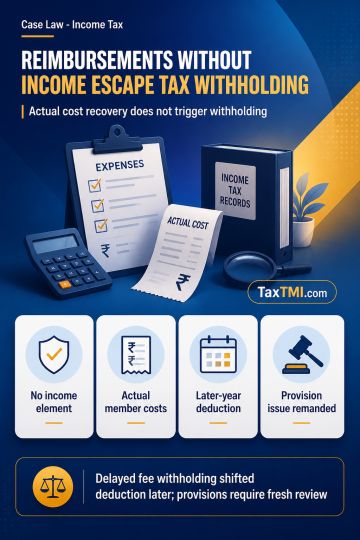
Pure reimbursement without income element escapes tax withholding, while delayed withholding and unsupported provisions face deferred or renewed scrut...
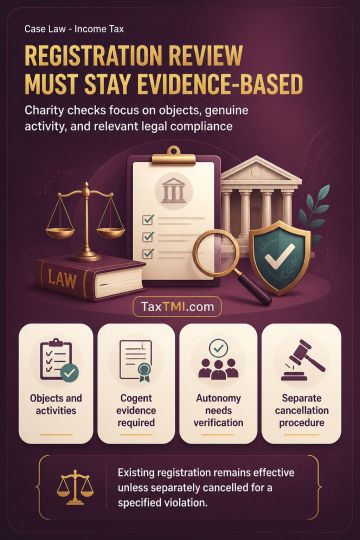
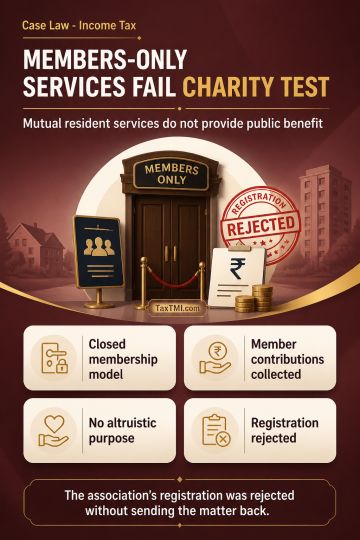
Public benefit requirement defeats charitable registration where residents' association services are reciprocal, member-only facilities governed by mu...
The High Court held that GST Authorities cannot launch prosecution invoking penal provisions under the Indian Penal Code without invoking penal provisions of the GST Act, when the alleged offenses are covered under the GST Act provisions. This is especially true without obtaining sanction u/s 132(6) of the GST Act. The GST Act is a special legislation comprehensively dealing with GST-related procedures, penalties, and offenses. Allowing GST Authorities to bypass the prescribed procedure under the GST Act by simply invoking IPC provisions, without invoking GST Act penal provisions, especially when allegations constitute offenses covered under the GST Act, would amount to circumventing procedural safeguards like obtaining the Commissioner's sanction before initiating prosecution u/s 132(6). Such a course of action would be an abuse of the legal process, which cannot be permitted. Consequently, the prosecution launched without following the due process under the GST Act is hit by the legal bar and warrants quashment.
The High Court held that GST Authorities cannot launch prosecution invoking penal provisions under the Indian Penal Code without invoking penal provisions of the GST Act, when the alleged offenses are covered under the GST Act provisions. This is especially true without obtaining sanction u/s 132(6) of the GST Act. The GST Act is a special legislation comprehensively dealing with GST-related procedures, penalties, and offenses. Allowing GST Authorities to bypass the prescribed procedure under the GST Act by simply invoking IPC provisions, without invoking GST Act penal provisions, especially when allegations constitute offenses covered under the GST Act, would amount to circumventing procedural safeguards like obtaining the Commissioner's sanction before initiating prosecution u/s 132(6). Such a course of action would be an abuse of the legal process, which cannot be permitted. Consequently, the prosecution launched without following the due process under the GST Act is hit by the legal bar and warrants quashment.
Note: It is a system-generated summary and is for quick reference only.
 TaxTMI
 of 4805










 Join Channel


 TaxTMI