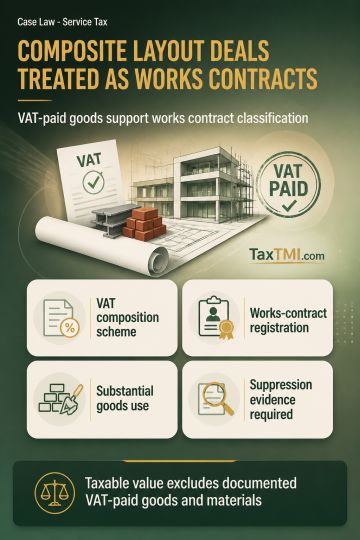
Works contract classification governs composite layout-development contracts where VAT-paid goods are transferred alongside construction and infrastru...
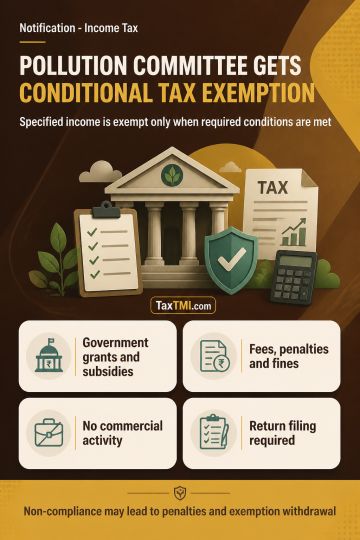
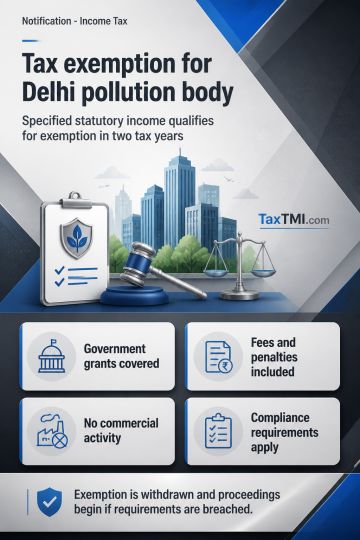
Specified income tax exemption for pollution control body remains conditional on non-commercial activity, unchanged income character, and return filin...
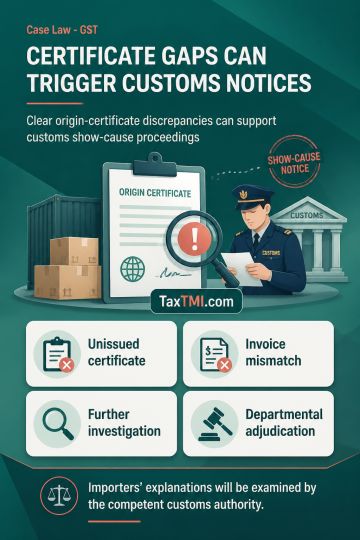
Jurisdictional facts in certificate-of-origin discrepancies can support customs show-cause proceedings, leaving factual explanations for departmental ...
The case revolves around the interpretation of the definitions of "motor vehicle" and "vehicle" under the Motor Vehicles Act, 1988 and the Orissa Entry Tax Act, 1999, concerning the levy of entry tax on a tractor trailer. The High Court held that the product manufactured by the petitioner, being a tractor trailer without a motor, cannot be classified as a "motor vehicle" u/s 2(h) of the Entry Tax Act, which excludes tractors from the definition. It falls within the definition of "vehicle" u/s 2(28) of the Motor Vehicles Act, 1988. As there is no separate definition of "vehicle" in the Entry Tax Act, the levy of entry tax on the tractor trailer is not permissible. Consequently, the petition was allowed in favor of the petitioner.
The case revolves around the interpretation of the definitions of "motor vehicle" and "vehicle" under the Motor Vehicles Act, 1988 and the Orissa Entry Tax Act, 1999, concerning the levy of entry tax on a tractor trailer. The High Court held that the product manufactured by the petitioner, being a tractor trailer without a motor, cannot be classified as a "motor vehicle" u/s 2(h) of the Entry Tax Act, which excludes tractors from the definition. It falls within the definition of "vehicle" u/s 2(28) of the Motor Vehicles Act, 1988. As there is no separate definition of "vehicle" in the Entry Tax Act, the levy of entry tax on the tractor trailer is not permissible. Consequently, the petition was allowed in favor of the petitioner.
Note: It is a system-generated summary and is for quick reference only.
 TaxTMI
 of 4805



 Join Channel


 TaxTMI