Vicarious liability for dishonoured company cheques may extend to non-signatory directors where complaints contain foundational responsibility avermen...
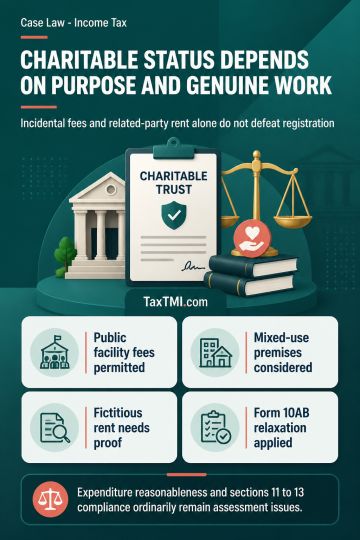
Charitable registration turns on predominant purpose and genuine activities, while incidental fees and related-party rent require supporting adverse m...
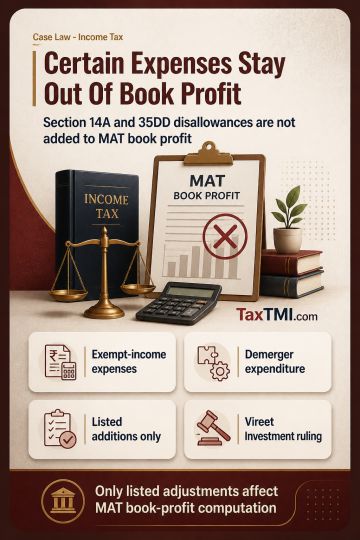
MAT book-profit adjustments exclude disallowances for exempt-income expenditure and demerger expenditure unless expressly listed under the statutory c...
The case revolves around the interpretation of the definitions of "motor vehicle" and "vehicle" under the Motor Vehicles Act, 1988 and the Orissa Entry Tax Act, 1999, concerning the levy of entry tax on a tractor trailer. The High Court held that the product manufactured by the petitioner, being a tractor trailer without a motor, cannot be classified as a "motor vehicle" u/s 2(h) of the Entry Tax Act, which excludes tractors from the definition. It falls within the definition of "vehicle" u/s 2(28) of the Motor Vehicles Act, 1988. As there is no separate definition of "vehicle" in the Entry Tax Act, the levy of entry tax on the tractor trailer is not permissible. Consequently, the petition was allowed in favor of the petitioner.
The case revolves around the interpretation of the definitions of "motor vehicle" and "vehicle" under the Motor Vehicles Act, 1988 and the Orissa Entry Tax Act, 1999, concerning the levy of entry tax on a tractor trailer. The High Court held that the product manufactured by the petitioner, being a tractor trailer without a motor, cannot be classified as a "motor vehicle" u/s 2(h) of the Entry Tax Act, which excludes tractors from the definition. It falls within the definition of "vehicle" u/s 2(28) of the Motor Vehicles Act, 1988. As there is no separate definition of "vehicle" in the Entry Tax Act, the levy of entry tax on the tractor trailer is not permissible. Consequently, the petition was allowed in favor of the petitioner.
Note: It is a system-generated summary and is for quick reference only.
 TaxTMI
 of 4792



 Join Channel


 TaxTMI
