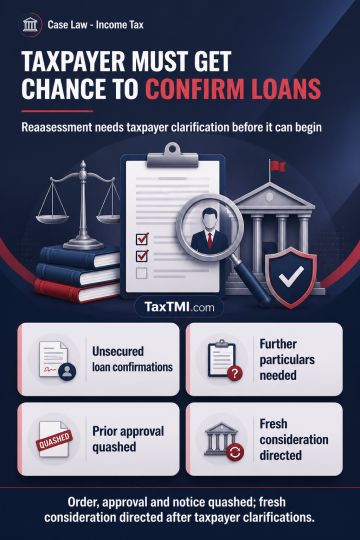
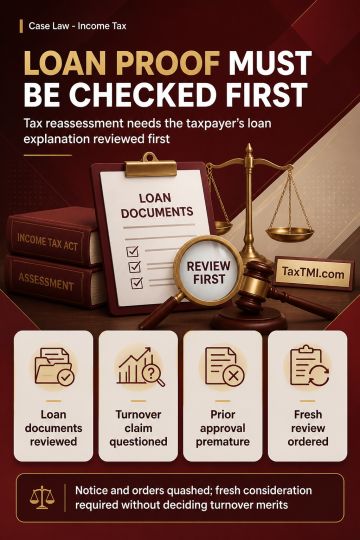
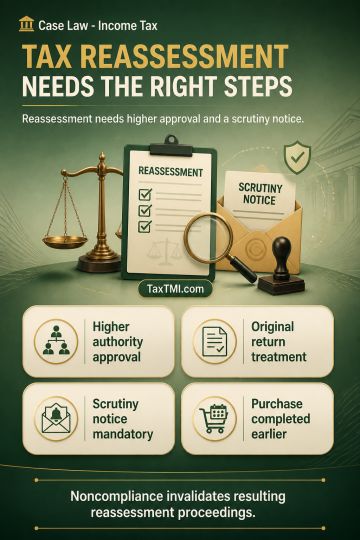
Opportunity to furnish unsecured-loan confirmations is required before reassessment initiation; proceedings require fresh consideration after taxpayer...
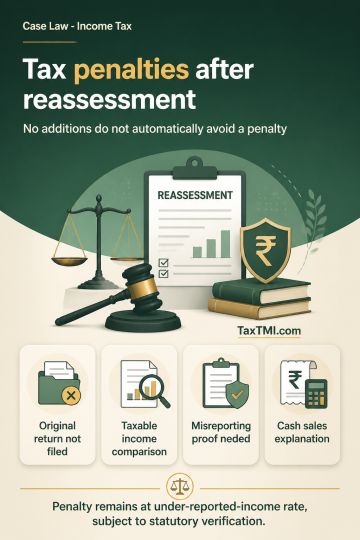
Under-reporting on a first reassessment return attracts penalty, while enhanced misreporting penalty requires proof of a statutory misreporting catego...
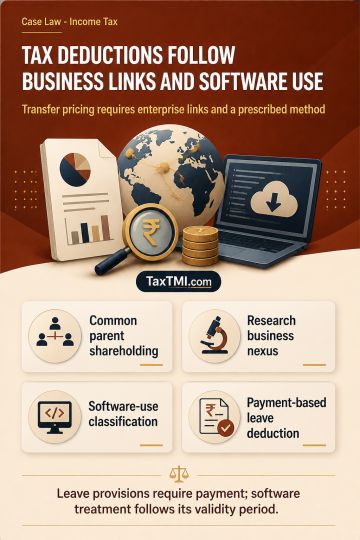
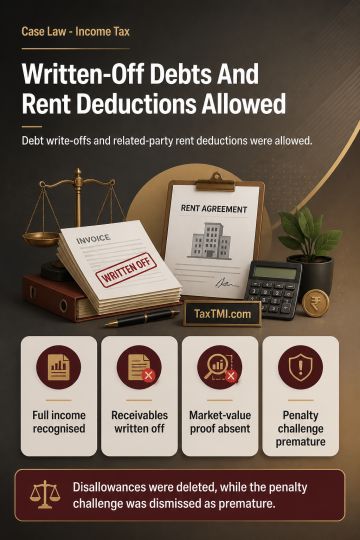
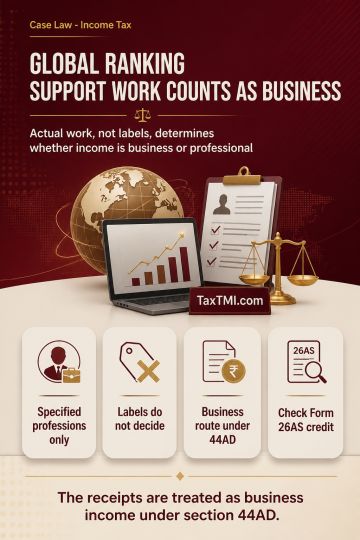
Form 26AS evidence requires successor-entity accounting verification after business transfer, while invoice-supported related-party advertising expend...
The case pertains to the confiscation of imported goods and the imposition of a redemption fine and penalty for alleged illegal import. The appellants contended that the goods were meant for reprocessing and recycling purposes, governed by the Hazardous and Other Wastes (Management and Transboundary Movement) Rules, 2016. The key issue was whether the impugned items fell under A4070 of Schedule III Part-A, requiring prior permission. The Central Pollution Control Board's report did not explicitly state that the goods were hazardous waste but suggested compliance with specific rules and analysis requirements. However, no such analysis was conducted by the authorities or presented by the importer. The report presumed the goods fell under A4070 without proper analysis. The denial of cross-examination violated natural justice principles. The fact that identical goods were imported at different ports without issues and no samples were drawn added credence to the appellant's submission. The conclusion that the goods were hazardous waste was based solely on warning words on the container, which is insufficient. Warnings like "dangerous" or "hazardous" do not automatically classify goods as hazardous waste under the Rules. The non-permitting of cross-examination further undermined the report's reliability. Consequently, the impugned order was set aside, and the appeal was allowed by the Appellate Tribunal (CESTAT).
The case pertains to the confiscation of imported goods and the imposition of a redemption fine and penalty for alleged illegal import. The appellants contended that the goods were meant for reprocessing and recycling purposes, governed by the Hazardous and Other Wastes (Management and Transboundary Movement) Rules, 2016. The key issue was whether the impugned items fell under A4070 of Schedule III Part-A, requiring prior permission. The Central Pollution Control Board's report did not explicitly state that the goods were hazardous waste but suggested compliance with specific rules and analysis requirements. However, no such analysis was conducted by the authorities or presented by the importer. The report presumed the goods fell under A4070 without proper analysis. The denial of cross-examination violated natural justice principles. The fact that identical goods were imported at different ports without issues and no samples were drawn added credence to the appellant's submission. The conclusion that the goods were hazardous waste was based solely on warning words on the container, which is insufficient. Warnings like "dangerous" or "hazardous" do not automatically classify goods as hazardous waste under the Rules. The non-permitting of cross-examination further undermined the report's reliability. Consequently, the impugned order was set aside, and the appeal was allowed by the Appellate Tribunal (CESTAT).
Note: It is a system-generated summary and is for quick reference only.
 TaxTMI
  TaxTMI
 of 4920