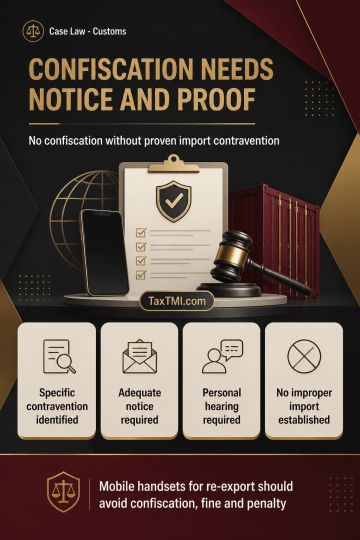
Arrest safeguards require disclosed grounds, relative intimation and transit remand, while duplicate prosecution under the CGST framework is unsustain...
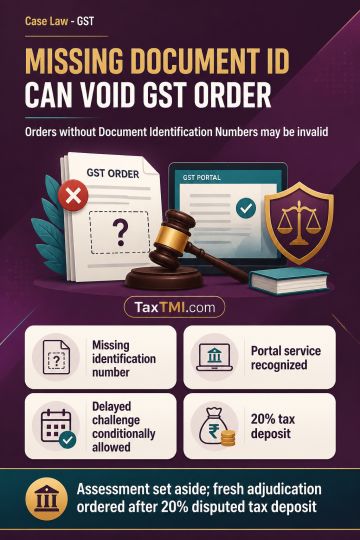
Document Identification Number defects can invalidate GST assessments, with delayed challenges entertained conditionally where patent irregularities e...
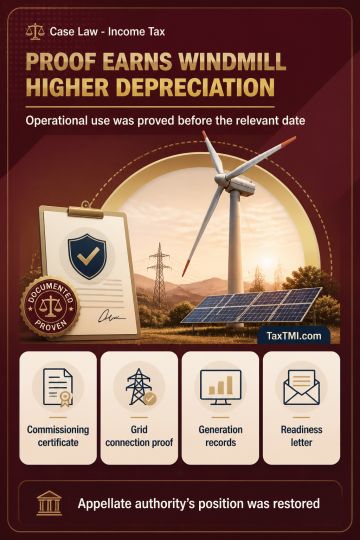
Windmill commissioning evidence supported higher depreciation where grid connection and electricity generation proved operational use before the relev...
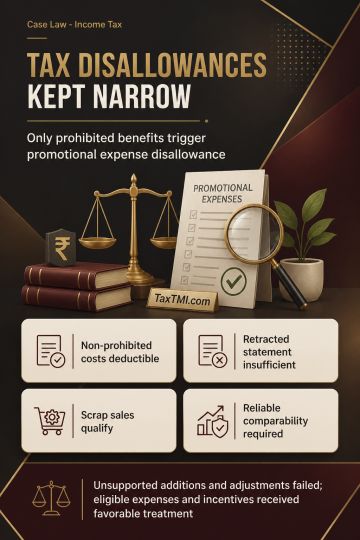
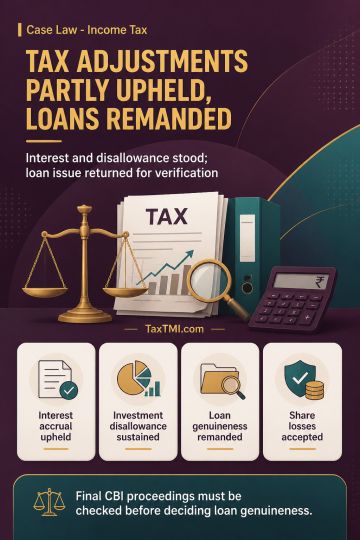
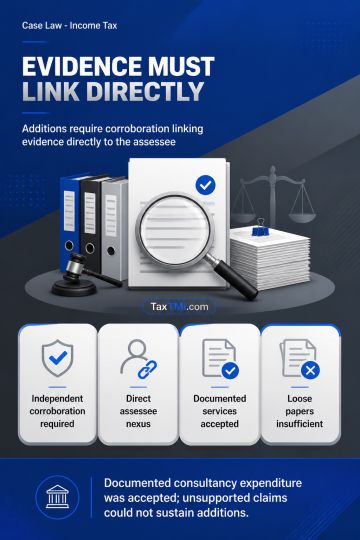
Pharmaceutical promotion and transfer-pricing comparability principles limited disallowances, while uncorroborated search allegations and unsupported ...
Business expenditure substantiation supports scrap credits, statutory payments and expense claims, while depreciation requires proof of actual busines...
The High Court directed the respondents to refund the differential GST amount, being the difference between GST and VAT, paid by the petitioner for each works contract/composite supply executed before July 1, 2017. The Court held that payments received by the petitioners pre-GST for works executed before July 1, 2017, are assessable under the KVAT tax regime, either under the Composition Tax or VAT scheme as applicable. The respondents were ordered to reimburse the GST amount within six weeks from the date of receipt of the order. The petition was allowed.
The High Court directed the respondents to refund the differential GST amount, being the difference between GST and VAT, paid by the petitioner for each works contract/composite supply executed before July 1, 2017. The Court held that payments received by the petitioners pre-GST for works executed before July 1, 2017, are assessable under the KVAT tax regime, either under the Composition Tax or VAT scheme as applicable. The respondents were ordered to reimburse the GST amount within six weeks from the date of receipt of the order. The petition was allowed.
Note: It is a system-generated summary and is for quick reference only.
 TaxTMI
 of 4805











 Join Channel


 TaxTMI