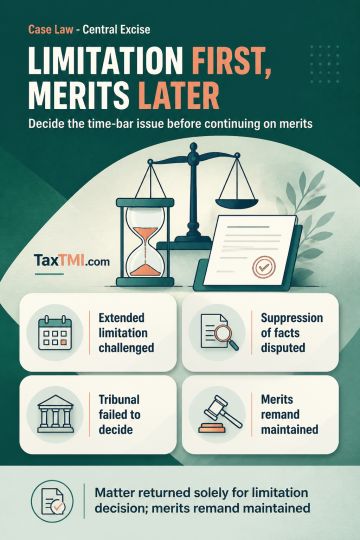
Threshold exemption excludes exempt services, while stamp-paper purchases avoid reverse charge; consequential service tax penalties were also set asid...
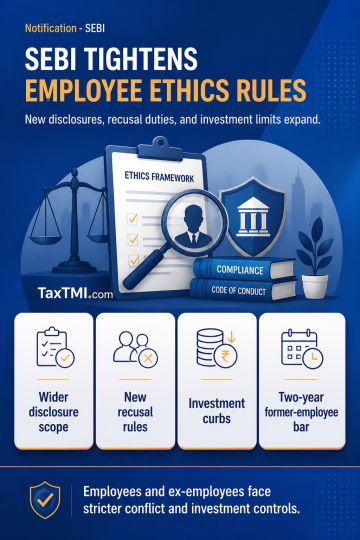
Employee conflict disclosures and investment restrictions expand with new recusal duties, post-employment limits, and compliance reporting requirement...
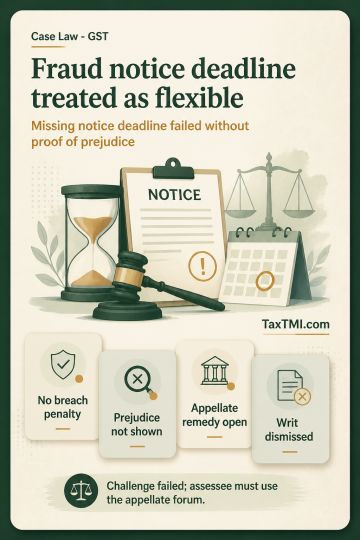
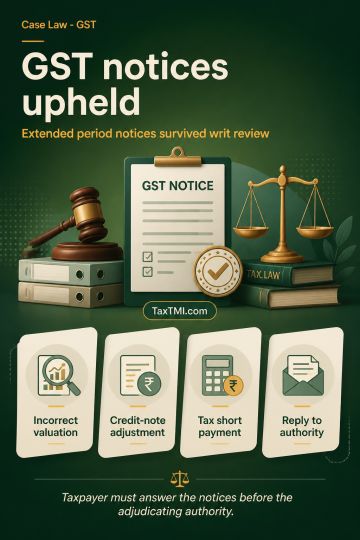
Petitioner challenged the show-cause notice (SCN) in Form GST DRC-01, alleging that respondents sought to levy GST at 28% instead of the prevalent 18% rate paid since 2017. The court held that mere issuance of the SCN to the petitioner and not to counterparts cannot be deemed unlawful. Writ jurisdiction cannot be invoked solely based on the SCN issuance, as the petitioner has the right to file a reply and be heard before any order is passed. Furthermore, any order passed by the authorities is appealable under the CGST Act. Consequently, the writ petition lacked merit and was dismissed.
Petitioner challenged the show-cause notice (SCN) in Form GST DRC-01, alleging that respondents sought to levy GST at 28% instead of the prevalent 18% rate paid since 2017. The court held that mere issuance of the SCN to the petitioner and not to counterparts cannot be deemed unlawful. Writ jurisdiction cannot be invoked solely based on the SCN issuance, as the petitioner has the right to file a reply and be heard before any order is passed. Furthermore, any order passed by the authorities is appealable under the CGST Act. Consequently, the writ petition lacked merit and was dismissed.
Note: It is a system-generated summary and is for quick reference only.
 TaxTMI
 of 4807









 Join Channel


 TaxTMI
