TNMM functional comparability requires excluding rice manufacturers from a pure Basmati rice trader's benchmark and recognising operating export recei...
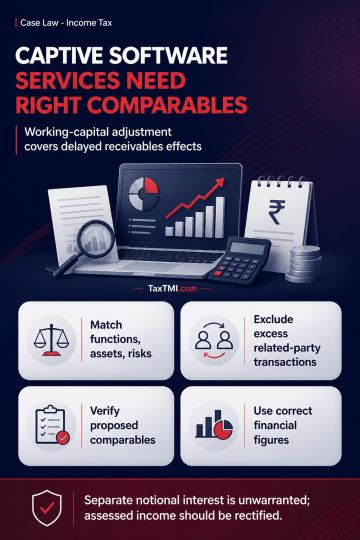
Working-capital adjustment subsumes delayed-receivable effects in TNMM benchmarking of captive software-development services, avoiding separate notion...
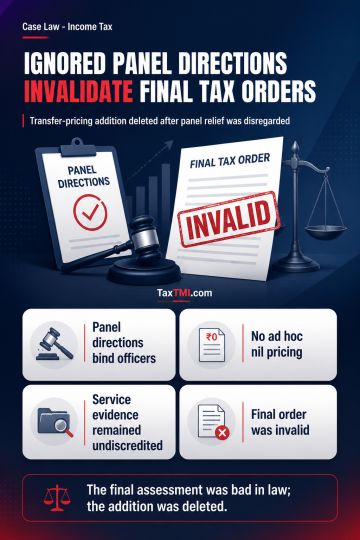
Transfer-pricing comparability requires exclusion of financially illogical super-profit comparables and correction of unsupported annual-report and ma...
Charitable character assessment preserves Section 80G approval despite inclusive spiritual teachings and incidental religious expenditure within the s...
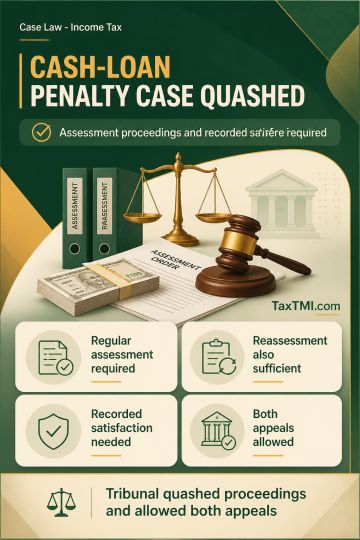
Penalty proceedings for cash-loan acceptance require assessment proceedings and recorded Assessing Officer satisfaction; absent these, the proceedings...
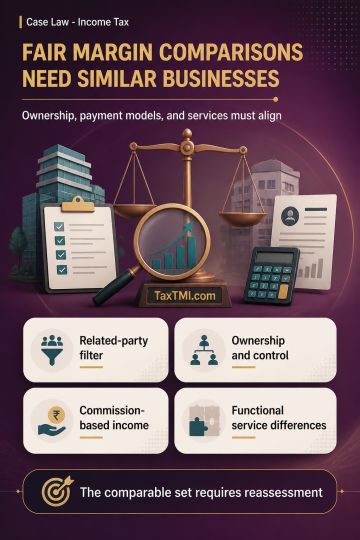
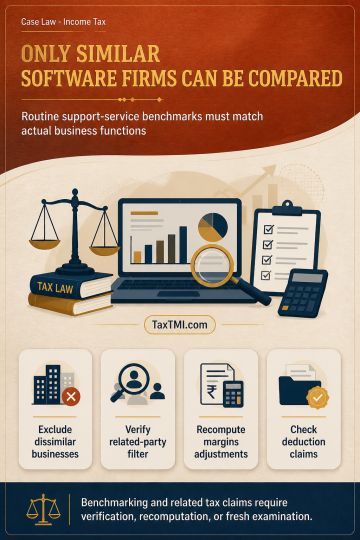
Functional comparability governs software-service benchmarking: dissimilar companies are excluded, while related-party filters, margins and working-ca...
Insolvency and BankruptcySeptember 7, 2024Case LawsAT
The summary focuses on the approval of a resolution plan by the Committee of Creditors (CoC) and the limited scope of judicial review by the adjudicating authority. The key points are: The decision of the CoC to approve a resolution plan with the requisite majority (66% vote share) is a collective business decision and is sacrosanct and binding on all stakeholders, irrespective of the composition of the CoC. The commercial wisdom of the CoC cannot be fettered. The adjudicating authority has limited jurisdiction in approving the resolution plan and cannot evaluate the merits or rationale underlying the CoC's commercial decision. Merely because there is a reduction in the claim of any creditor does not make the resolution plan violative of the law. Any clause in the resolution plan requiring creditors to take a haircut cannot be construed as violative of the relevant section. The adjudicating authority did not err in approving the resolution plan, and the appellate tribunal dismissed the appeal, finding no transgression causing serious miscarriage of justice.
The summary focuses on the approval of a resolution plan by the Committee of Creditors (CoC) and the limited scope of judicial review by the adjudicating authority. The key points are: The decision of the CoC to approve a resolution plan with the requisite majority (66% vote share) is a collective business decision and is sacrosanct and binding on all stakeholders, irrespective of the composition of the CoC. The commercial wisdom of the CoC cannot be fettered. The adjudicating authority has limited jurisdiction in approving the resolution plan and cannot evaluate the merits or rationale underlying the CoC's commercial decision. Merely because there is a reduction in the claim of any creditor does not make the resolution plan violative of the law. Any clause in the resolution plan requiring creditors to take a haircut cannot be construed as violative of the relevant section. The adjudicating authority did not err in approving the resolution plan, and the appellate tribunal dismissed the appeal, finding no transgression causing serious miscarriage of justice.
Note: It is a system-generated summary and is for quick reference only.
 TaxTMI
  TaxTMI
 of 4830











 Join Channel


