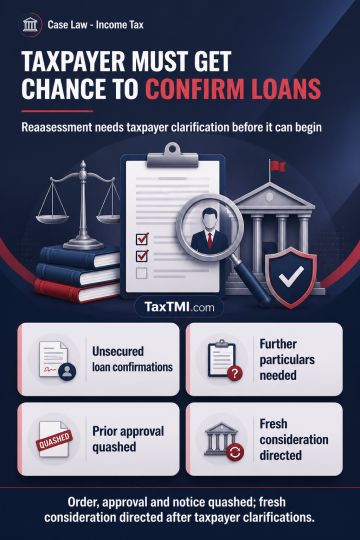
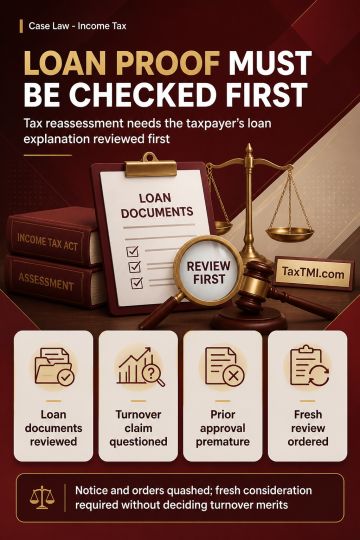
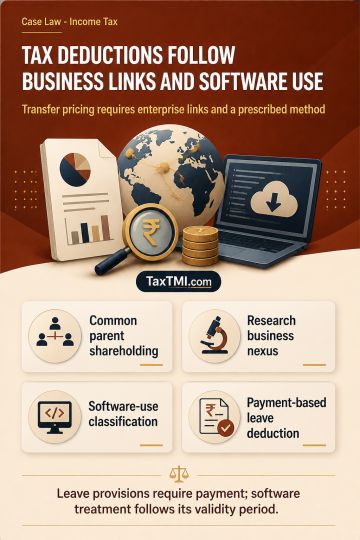
Opportunity to furnish unsecured-loan confirmations is required before reassessment initiation; proceedings require fresh consideration after taxpayer...
The High Court held that u/s 54 of the Goods and Services Tax Act, 2017, when the input tax credit paid is higher than the output tax, the dealer is entitled to seek a refund of the excess amount. The Court rejected the Revenue's argument that the dealer voluntarily paid excess tax, as the legislative intent is to provide a refund when the input tax credit exceeds the output tax. In the present case, the dealer was entitled to a refund as the output tax was only 5%, while the input tax credit was 18%. Regarding the interest rate, the Court modified the 9% rate awarded by the writ Court to 6%, payable by the Revenue from the date of expiry of sixty days from the Original Authority's order u/s 54(5). The writ appeals filed by the Revenue were dismissed.
The High Court held that u/s 54 of the Goods and Services Tax Act, 2017, when the input tax credit paid is higher than the output tax, the dealer is entitled to seek a refund of the excess amount. The Court rejected the Revenue's argument that the dealer voluntarily paid excess tax, as the legislative intent is to provide a refund when the input tax credit exceeds the output tax. In the present case, the dealer was entitled to a refund as the output tax was only 5%, while the input tax credit was 18%. Regarding the interest rate, the Court modified the 9% rate awarded by the writ Court to 6%, payable by the Revenue from the date of expiry of sixty days from the Original Authority's order u/s 54(5). The writ appeals filed by the Revenue were dismissed.
Note: It is a system-generated summary and is for quick reference only.
 TaxTMI
  TaxTMI
 of 4921