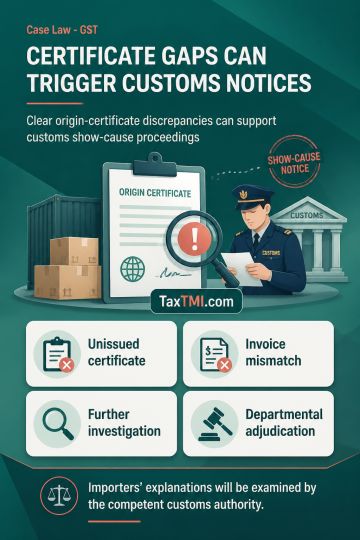
Jurisdictional facts in certificate-of-origin discrepancies can support customs show-cause proceedings, leaving factual explanations for departmental ...
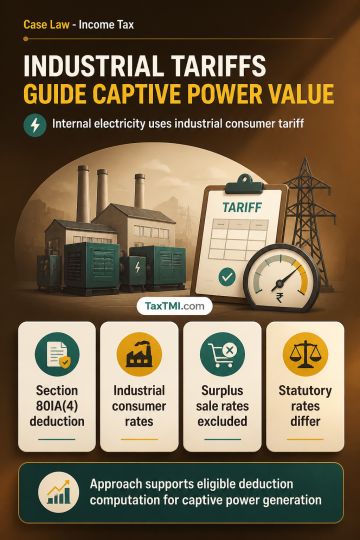
Market value for captive electricity consumption follows industrial consumer tariffs, supporting profit computation for the power generation deduction...
The High Court held that u/s 54 of the Goods and Services Tax Act, 2017, when the input tax credit paid is higher than the output tax, the dealer is entitled to seek a refund of the excess amount. The Court rejected the Revenue's argument that the dealer voluntarily paid excess tax, as the legislative intent is to provide a refund when the input tax credit exceeds the output tax. In the present case, the dealer was entitled to a refund as the output tax was only 5%, while the input tax credit was 18%. Regarding the interest rate, the Court modified the 9% rate awarded by the writ Court to 6%, payable by the Revenue from the date of expiry of sixty days from the Original Authority's order u/s 54(5). The writ appeals filed by the Revenue were dismissed.
The High Court held that u/s 54 of the Goods and Services Tax Act, 2017, when the input tax credit paid is higher than the output tax, the dealer is entitled to seek a refund of the excess amount. The Court rejected the Revenue's argument that the dealer voluntarily paid excess tax, as the legislative intent is to provide a refund when the input tax credit exceeds the output tax. In the present case, the dealer was entitled to a refund as the output tax was only 5%, while the input tax credit was 18%. Regarding the interest rate, the Court modified the 9% rate awarded by the writ Court to 6%, payable by the Revenue from the date of expiry of sixty days from the Original Authority's order u/s 54(5). The writ appeals filed by the Revenue were dismissed.
Note: It is a system-generated summary and is for quick reference only.
 TaxTMI
 of 4805







 Join Channel


 TaxTMI