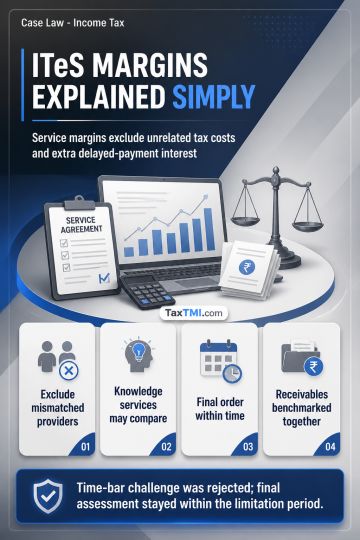
Transfer-pricing treatment of ITeS margins excludes pass-through tax recoveries and separate delayed-receivables interest after working-capital adjust...
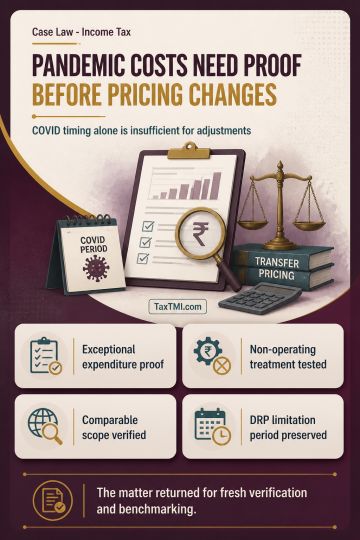
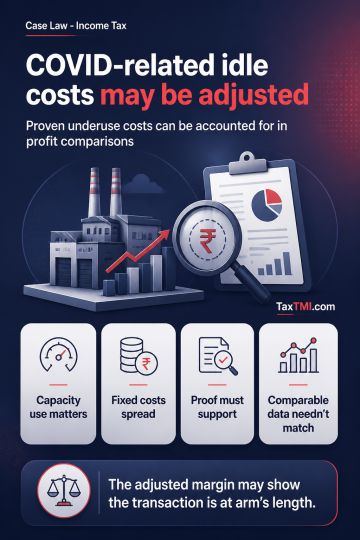
Capacity-utilisation adjustments under TNMM can neutralise substantiated COVID-related idle costs where underutilisation materially affects profitabil...
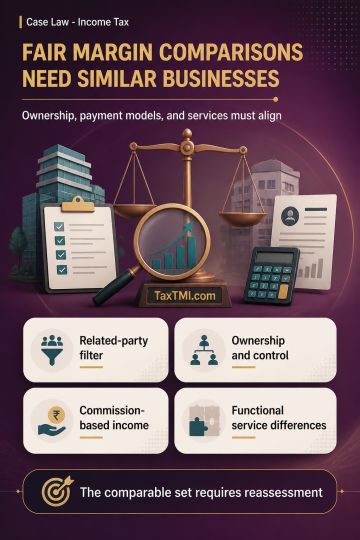
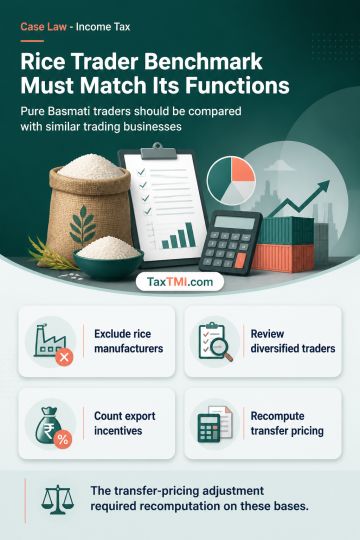
TNMM functional comparability requires excluding rice manufacturers from a pure Basmati rice trader's benchmark and recognising operating export recei...
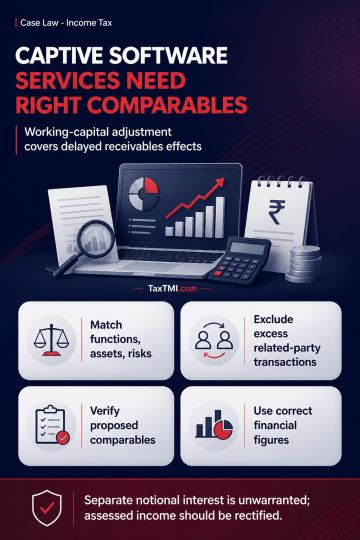
Working-capital adjustment subsumes delayed-receivable effects in TNMM benchmarking of captive software-development services, avoiding separate notion...
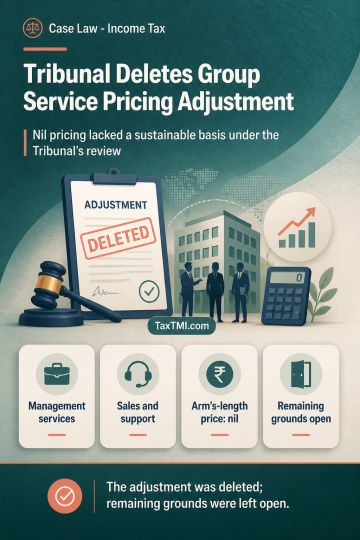
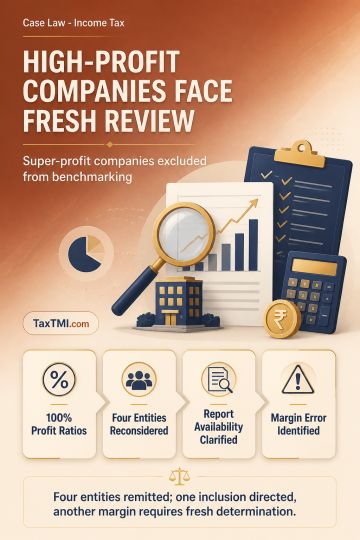
Transfer-pricing comparability requires exclusion of financially illogical super-profit comparables and correction of unsupported annual-report and ma...
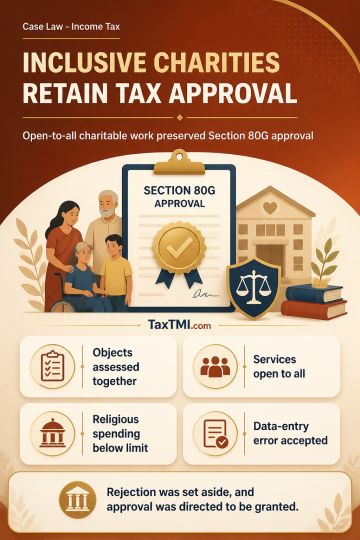
Charitable character assessment preserves Section 80G approval despite inclusive spiritual teachings and incidental religious expenditure within the s...
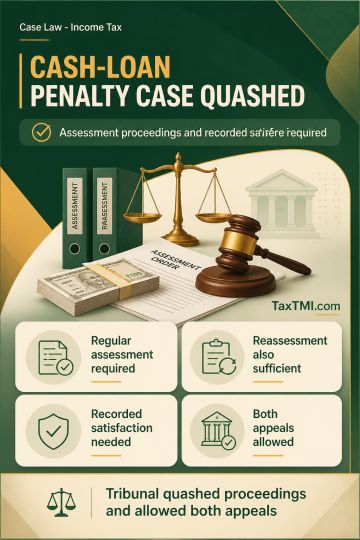
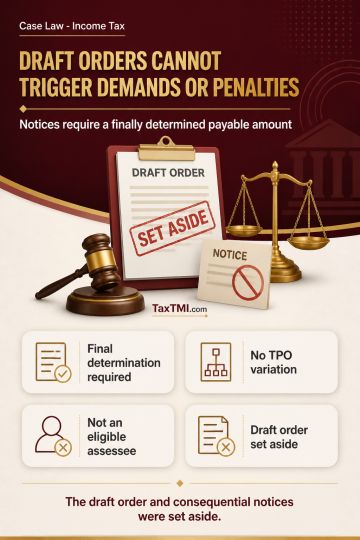
Penalty proceedings for cash-loan acceptance require assessment proceedings and recorded Assessing Officer satisfaction; absent these, the proceedings...
Page of 4828
Press 'Enter' after typing page number.
161 to 180 of 96556 Results
❮
❯
❯❯
0 / 200
Expand Note
Add to Folder
No Folders have been created
+
Are you sure you want to delete "My most important" ?
The appellant, a large account reseller authorized by Microsoft, received IT services from Microsoft for which payments were made. The department alleged that Microsoft sold the software to the appellant, raising a service tax demand under the reverse charge mechanism. However, the agreement between Microsoft and the appellant does not indicate transfer of title, ownership, or right to use the software to the appellant. The appellant facilitates procurement, invoicing, and payment collection, but no consideration is paid for sale or right to use. Microsoft's invoices are issued to customers, not the appellant. The document relied upon by the department is for FEMA compliance and does not establish transfer of right to use IT services to the appellant. The adjudicating authority failed to consider the appellant's pleas and relied on Microsoft's licensing guide without examining whether the licenses were used by the appellant. Issues like service tax adjustment, credit availed, etc., require fresh consideration by the adjudicating authority based on the findings. The matter is remanded for de novo consideration by the adjudicating authority.
The appellant, a large account reseller authorized by Microsoft, received IT services from Microsoft for which payments were made. The department alleged that Microsoft sold the software to the appellant, raising a service tax demand under the reverse charge mechanism. However, the agreement between Microsoft and the appellant does not indicate transfer of title, ownership, or right to use the software to the appellant. The appellant facilitates procurement, invoicing, and payment collection, but no consideration is paid for sale or right to use. Microsoft's invoices are issued to customers, not the appellant. The document relied upon by the department is for FEMA compliance and does not establish transfer of right to use IT services to the appellant. The adjudicating authority failed to consider the appellant's pleas and relied on Microsoft's licensing guide without examining whether the licenses were used by the appellant. Issues like service tax adjustment, credit availed, etc., require fresh consideration by the adjudicating authority based on the findings. The matter is remanded for de novo consideration by the adjudicating authority.
Note: It is a system-generated summary and is for quick reference only.
 TaxTMI
  TaxTMI
 of 4828



 Join Channel