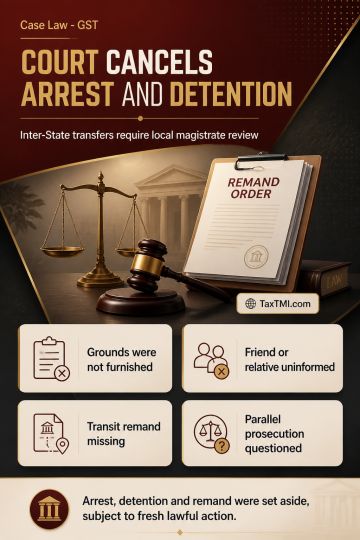
Arrest safeguards and transit remand requirements invalidated detention following inter-State transfer without communicated grounds or magistrate auth...
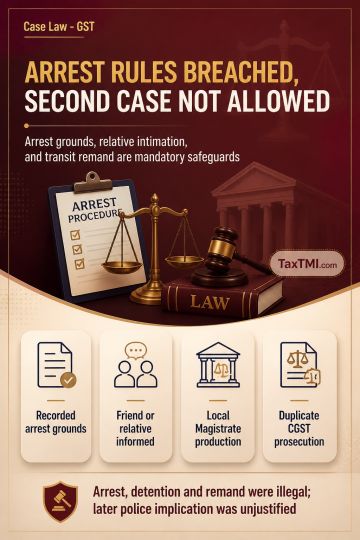
Arrest safeguards require disclosed grounds, relative intimation and transit remand, while duplicate prosecution under the CGST framework is unsustain...
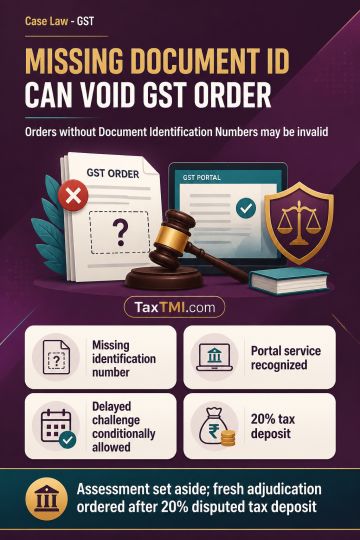
Document Identification Number defects can invalidate GST assessments, with delayed challenges entertained conditionally where patent irregularities e...
Windmill commissioning evidence supported higher depreciation where grid connection and electricity generation proved operational use before the relev...
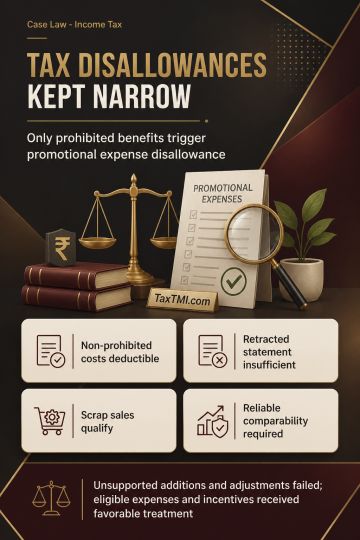
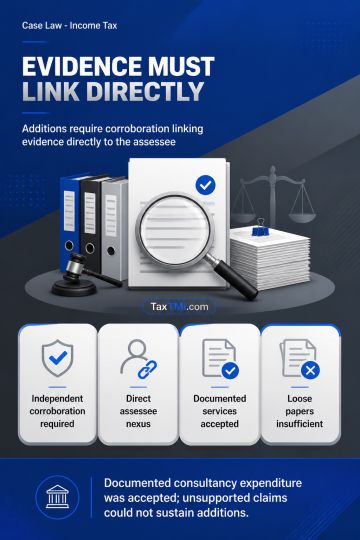
Pharmaceutical promotion and transfer-pricing comparability principles limited disallowances, while uncorroborated search allegations and unsupported ...
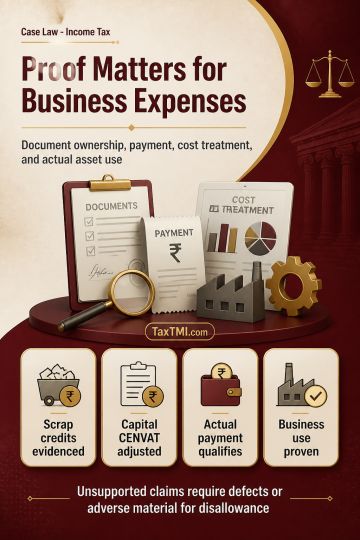
Business expenditure substantiation supports scrap credits, statutory payments and expense claims, while depreciation requires proof of actual busines...
The assessee filed an original return u/s 139(4) and later discovered an omission, wrongly claiming deduction u/s 57 for interest paid on borrowed capital under 'Income from Other Sources' instead of 'Business Income'. As per Section 139(5), a revised return can be filed within one year from the end of the relevant assessment year or before completion of assessment, whichever is earlier. The assessee filed a revised return within the stipulated timeframe, correctly claiming the deduction under 'Business Income'. The CIT(A) decided the matter without affording an opportunity to the assessee. The ITAT set aside the matter to the CIT(A) to decide afresh after providing reasonable opportunity to the assessee, allowing the appeal for statistical purposes. The revised return needs to be considered to examine the claim of deduction.
The assessee filed an original return u/s 139(4) and later discovered an omission, wrongly claiming deduction u/s 57 for interest paid on borrowed capital under 'Income from Other Sources' instead of 'Business Income'. As per Section 139(5), a revised return can be filed within one year from the end of the relevant assessment year or before completion of assessment, whichever is earlier. The assessee filed a revised return within the stipulated timeframe, correctly claiming the deduction under 'Business Income'. The CIT(A) decided the matter without affording an opportunity to the assessee. The ITAT set aside the matter to the CIT(A) to decide afresh after providing reasonable opportunity to the assessee, allowing the appeal for statistical purposes. The revised return needs to be considered to examine the claim of deduction.
Note: It is a system-generated summary and is for quick reference only.
 TaxTMI
 of 4786






 Join Channel


 TaxTMI
