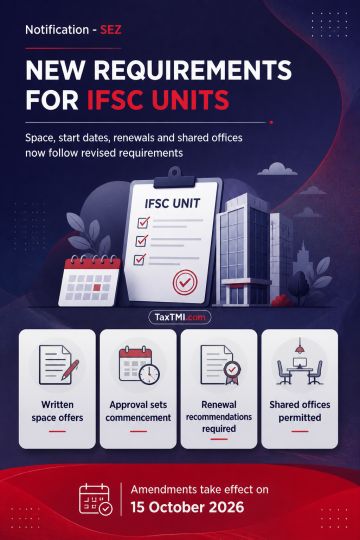
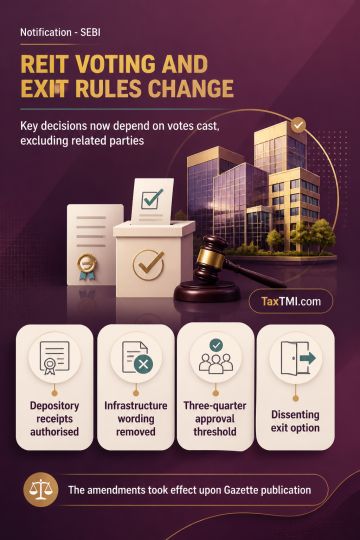
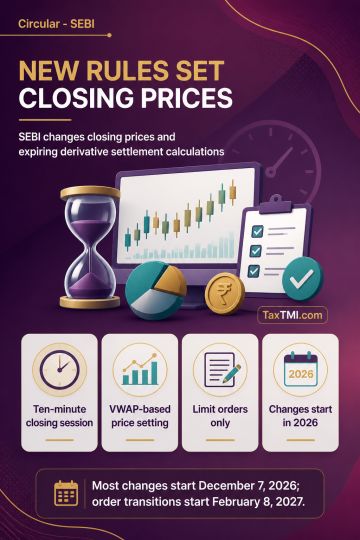
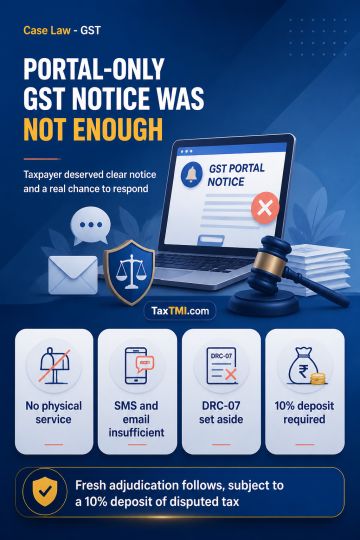
Accredited investor eligibility expands through securities-market exposure, while alternative investment fund disputes require prescribed resolution a...
Customs Assessment Portal centralises classification and valuation guidance to support consistent, transparent and informed compliance across stakehol...
The circular notifies the phased implementation of the Sea Cargo Manifest and Transshipment Regulations (SCMTR) across various customs ports in India. SCMTR aims to enhance transparency, predictability of cargo movement, and advance information collection for expeditious risk-based customs clearance. It stipulates obligations, roles, and responsibilities for stakeholders involved in import/export goods movement and specifies changes to manifest declaration formats and timelines. After transitional provisions, the new SCMTR formats will become mandatory as per the scheduled dates for different ports, ranging from September 11, 2024, to December 1, 2024. Stakeholders are advised to start filing in the new format immediately on a parallel basis to ensure smooth cargo clearance. Chief Commissioners are instructed to monitor SCMTR implementation progress, and difficulties, if any, should be reported to the Board.
The circular notifies the phased implementation of the Sea Cargo Manifest and Transshipment Regulations (SCMTR) across various customs ports in India. SCMTR aims to enhance transparency, predictability of cargo movement, and advance information collection for expeditious risk-based customs clearance. It stipulates obligations, roles, and responsibilities for stakeholders involved in import/export goods movement and specifies changes to manifest declaration formats and timelines. After transitional provisions, the new SCMTR formats will become mandatory as per the scheduled dates for different ports, ranging from September 11, 2024, to December 1, 2024. Stakeholders are advised to start filing in the new format immediately on a parallel basis to ensure smooth cargo clearance. Chief Commissioners are instructed to monitor SCMTR implementation progress, and difficulties, if any, should be reported to the Board.
Note: It is a system-generated summary and is for quick reference only.
 TaxTMI
  TaxTMI
 of 4921