Dispute Resolution Panel objections must reach both prescribed forums; otherwise assessment may proceed and statutory appeal remains the proper remedy...
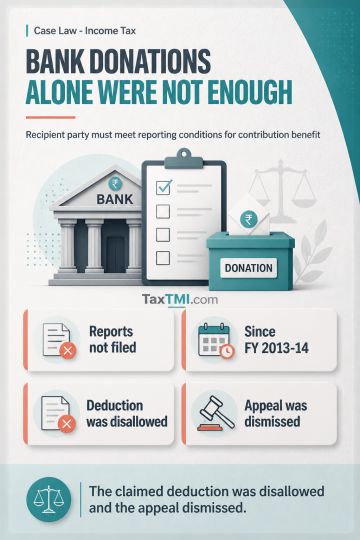
Political contribution deductions require recipient party compliance with contribution-reporting conditions; banking-channel donations alone do not qu...
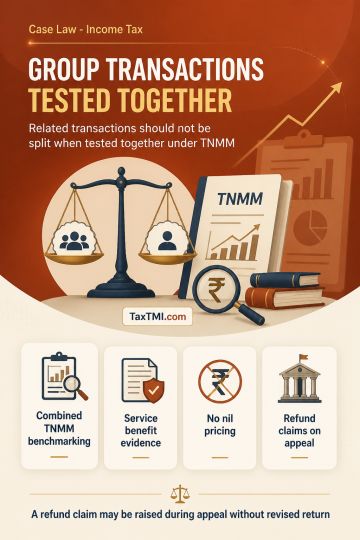
Aggregation under TNMM prevents selective testing of intra-group services without comparable uncontrolled transactions, while appellate additional cla...
Protective assessment cannot duplicate identical receipts under competing characterisations; remote services did not establish a taxable permanent est...
The court granted bail to the accused applicant, considering the following factors: the trial has not yet commenced, the applicant's complicity is yet to be determined, relevant evidence is under the department's control, and there is no indication that the applicant's release would adversely affect the trial. Additionally, the alleged offense carries a maximum punishment of five years' imprisonment, and the applicant has already been in jail for a substantial period. The court opined that the applicant has made a case for bail, subject to furnishing personal bonds and sureties to the satisfaction of the concerned court and fulfilling imposed conditions. The decision was based on the Supreme Court's precedents, which emphasize considering the gravity of the offense, the object of the relevant Act, and the attending circumstances, rather than categorizing all economic offenses as one group and denying bail.
The court granted bail to the accused applicant, considering the following factors: the trial has not yet commenced, the applicant's complicity is yet to be determined, relevant evidence is under the department's control, and there is no indication that the applicant's release would adversely affect the trial. Additionally, the alleged offense carries a maximum punishment of five years' imprisonment, and the applicant has already been in jail for a substantial period. The court opined that the applicant has made a case for bail, subject to furnishing personal bonds and sureties to the satisfaction of the concerned court and fulfilling imposed conditions. The decision was based on the Supreme Court's precedents, which emphasize considering the gravity of the offense, the object of the relevant Act, and the attending circumstances, rather than categorizing all economic offenses as one group and denying bail.
Note: It is a system-generated summary and is for quick reference only.
 TaxTMI
 of 4805














 Join Channel


 TaxTMI
